0
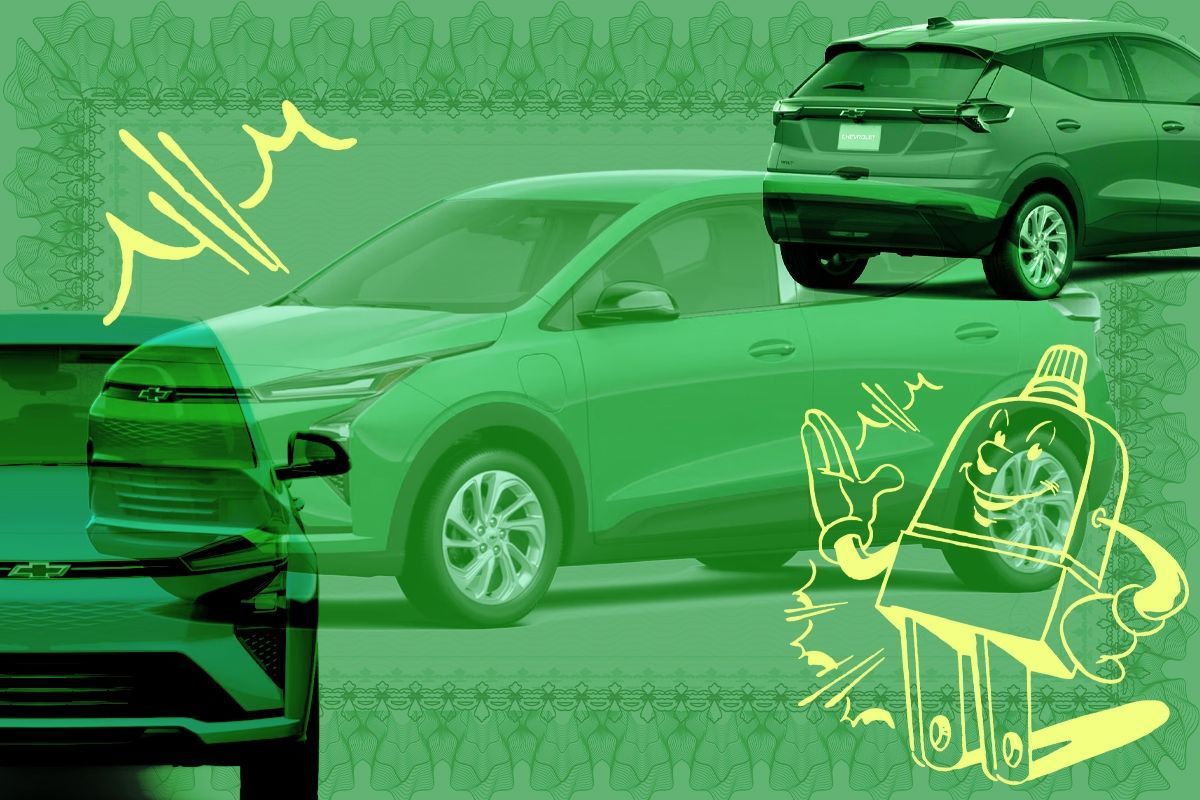
Midway through the tortuous test drive over the mountains to Malibu, as the new Chevrolet Bolt EV ably zipped through a series of sharp canyon corners, I couldn’t help but think: Who would want to kill this car?
Such is life for the Bolt. Chevy revived the budget electric car after its fans howled when it killed the first version in 2023. But by the time the car press assembled last week for the official test drive of Bolt 2.0, the new car already had an expiration date: General Motors said it would end the production run next summer. This is a shame for a variety of reasons. Among the most important: The new Bolt, which starts just under $30,000 and is soon to start arriving at Chevy dealerships, shows that the cheap EV for the masses is really, almost there.
The 2027 Bolt comes with a 65 kilowatt-hour lithium iron phosphate battery that’s rated to deliver 262 miles of range. That’s not bad for an economy car, given that lots of more expensive EVs came with ranges in the low 200s just a couple of years ago.
Charging speed, the big bugaboo with the original Bolt, is fixed. The glacial 50-kilowatt speed has risen to 150 kilowatts, allowing the car to charge from 10% to 80% in about 25 minutes. That pales in comparison to the 350-kilowatt Hyundai touts for some of its EVs, but it makes the Bolt road trip an acceptable experience, not a slog. Crucially, the new Bolt comes with the NACS port and will seamlessly plug-and-charge at many charging stations, including Tesla’s.
Bolt comes with a single motor that delivers 210 horsepower and 169 pound-feet of torque — not eye-popping numbers. But because all of an electric car’s torque is available at any time, the Bolt feels livelier as it accelerates away from a start compared to an equivalent combustion-powered economy car. It huffs and puffs just a tad trying to accelerate uphill on California’s mountain highways, sure, but Bolt has enough oomph to have some fun without getting you into trouble. And in a world of white cars, Bolt comes in honest-to-goodness colors. Red. Blue. Yellow!
The tech features are the same story — that is, plenty good for the price. Many Bolt loyalists are incensed that Chevy killed off Apple Carplay and Android Auto integration in the new car, forcing drivers to rely on what’s built in. For those who can get over the disappointment, what is built into Bolt’s 11-inch touchscreen is pretty good, starting with Google Maps integration for navigation. Its method for displaying charging stations — and allowing the driver to filter them by plug style, provider, and other factors — isn’t quite up to the Silicon Valley seamlessness of a Rivian, but is easier to use than what a lot of legacy car companies put in their EVs. (The fabulous Kia EV9 three-row SUV I tested just before the Bolt is superior in just about every way except this.)
The Bolt even has a few features you wouldn’t expect at the entry level. The surround vision recorder for storing footage from the car’s camera is a first for a GM vehicle, Chevy says. The brand is also making a big to-do over the Super Cruise hands-free driving feature since the Bolt is now the least expensive car to get it, though adding all that tech takes the basic LT version of the Bolt up from $29,000 to more than $35,000, which is the starting price for the bigger Chevy Equinox EV.
With so much going right for this vehicle, why preemptively kill it? The most obvious factor is the Trump White House. Chevrolet had always called the Bolt’s return a limited run, but the fact that its production run might last for just a year and a half is a direct result of Trump tariffs: GM wants to make gas-powered Buick crossovers, currently made in China, at the Kansas factory that builds the Bolt.
And the loss last year of the federal incentive to buy an EV is particularly punitive for the Bolt. With $7,500 shaved off the price, the Chevy EV would have been cost-competitive with the cheapest new gas cars, like the Hyundai Elantra or Toyota Corolla. Without it, Bolt is closer in price to a larger vehicle like the Toyota RAV4. When Chevy can’t make the case that its EV is as cheap as any other small car you might be looking at, it must sell a car like Bolt on its down-the-road value: very little routine maintenance, no buying gasoline during a period of wartime oil shocks, and so on. That’s a tougher task, and perhaps explains why GM was so quick to move on.
Still, there’s clearly something bigger at stake here for GM. The American car companies’ pivot back to the short-term profitability of petroleum, exemplified by the Bolt-Buick affair, comes as the rest of the world continues to embrace EVs. Headlines lately have wondered whether China’s ascent combined with America’s yoyo-ing on electric power could lead to Detroit’s outright demise, leaving the U.S. auto industry with scraps as someone else’s superior EVs take over the world.
In this light, Chevy’s own market data on Bolt is especially jarring. Of the nearly 200,000 Bolts on the road from the car’s previous generation, 75% percent of those drivers came from other car companies to GM, and 72% remained loyal to GM. In other words, the new Bolt is set to build on General Motors’ status as the top EV-seller in America behind Tesla by expanding the established base of customers who love Chevy electric cars. That is what’s being tossed aside to increase quarterly profits.
Maybe the Bolt will surprise its maker, again. Even if a groundswell of enthusiasm for the new car isn’t enough to save it from extinction, perhaps it will prove to GM to give the budget EV yet another go-around when the market shifts yet again.