0
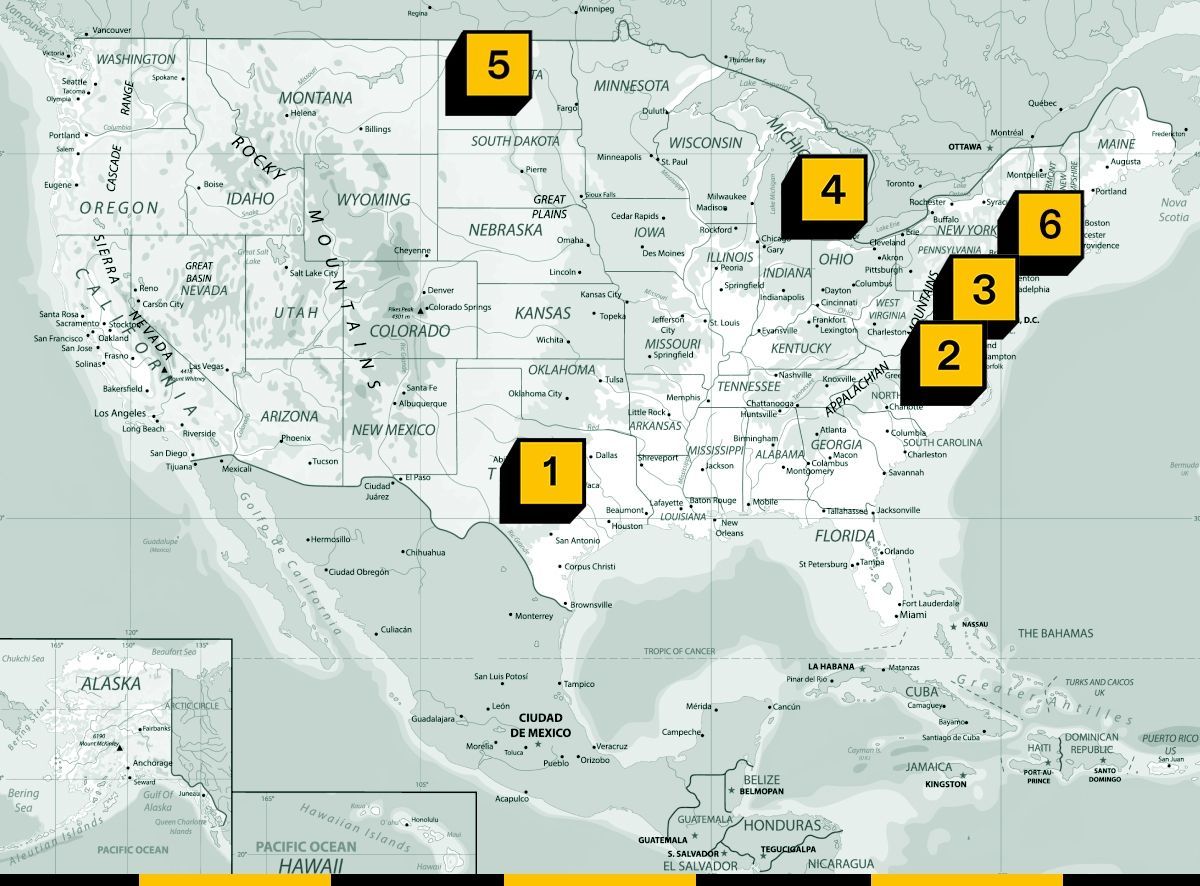
Menard County, Texas – An anti-battery campaign just ousted a member of a county commission who would have had to consider storage infrastructure on his own property.
- Sitting commissioner Tyler Wright was ousted last week in a Republican primary election by Gary Hardin, the favored candidate of grassroots anti-battery activism outfit Don’t BESS with Menard. There is no Democratic challenger, so Hardin now wins the seat by default.
- According to the Menard News – a local media outlet owned by Wright and his wife – the contested battery storage project is being developed on their property. Wright tried to assuage concerns about conflicts of interest by saying he’d recuse himself from future decisions but couldn’t avoid a loss. This is a super rural county with exceptionally low voter turnout — this county commission race received just 170 votes — and is therefore extremely susceptible to wedge issues like these that bring out a deciding minority.
Wake County, North Carolina – There mere idea of impending restrictions killed a data center here this week.
- Developer Natelli Investments claimed the New Hill Digital Campus would have a muted impact on local electricity bills by relying on broader regional transmission lines and drawing power from a repowered nuclear plant nearby. Natelli also said it would use water supplies ruled out for human consumption and recirculate water to avoid excessive demand.
- None of that moved the needle. The project would have been built in the small town of Apex, north of Raleigh, where officials have been preparing a one-year moratorium on data center development. This week Natelli withdrew its applications to get zoning approval for the data center campus, citing the likelihood of Apex restricting development.
Frederick County, Maryland – This agriculture-dense county seems to be gearing up for a big ol’ data center referendum.
- Activists have gotten enough signatures from local residents to put the question of whether to allow future data centers up for a vote this fall. Efforts to tee up this ballot question only started after the county greenlit new zoning maps toward the end of last year allowing for new digital infrastructure.
- Frederick County is no stranger to land use conflicts. In November I explained how a fight over transmission related to the Piedmont Reliability Project had transformed this farming county into a hotbed of resentment over new electrical upgrades.
Montcalm County, Michigan – Pour one out for the Montcalm wind farm.
- This week Apex Clean Energy pulled the plug on Montcalm, a nearly 50,000-acre wind energy project, after years of opposition led to difficulty securing land use agreements and property rights.
- In 2022, voters across three different townships voted to recall multiple officials and reject zoning ordinances supporting construction of the Montcalm wind project. Things haven’t really progressed since then.
Dunn County, North Dakota – At least one company is vying to start work on a fresh wind farm proposal: NextEra.
- The company announced this week that it would begin advancing the new Blizzard wind farm through permitting in 2028. There’s no record of previous conflicts in Dunn County, but there’s a good reason NextEra is taking its time: The county has a high chance of concerted opposition, carrying an 80 opposition risk score in the Heatmap Pro database, not to mention North Dakota’s recent back-and-forths around wind farm fights.
Hartford County, Connecticut – The state of Connecticut’s siting council approved expanding a DESRI Holdings-backed solar farm in the rural town of East Windsor.
- It should’ve been a victory for some kind of permitting reform. But instead, the decision has been met with criticism from residents of East Windsor, a prototypical New England vacation town filled with old time-y historic buildings.
- The upset against this project — which, to be clear, is pretty small, adding just about 30 megawatts of new electricity to the local grid — is bipartisan, with frustration coming from local elected Democrats as well as Republican candidates for office in Connecticut. I anticipate some form of legal or political challenge against the state regulator, as this anger will have to be vented somehow.