0
The United States and Iran have agreed to a ceasefire in Iran, and energy markets responded with jubilation — at least initially. Every major Wall Street index surged on Wednesday, and U.S. oil prices fell.
But the actual situation on the ground is far more ambiguous, huge questions remain about the truce, and the Strait of Hormuz is as closed today as it has been since the beginning of the war.
On this episode of Shift Key, Rob is joined by Rory Johnston, a longtime oil analyst, repeat Shift Key guest, and the author of the Commodity Context newsletter. We talk about why Iran gains from extending the ceasefire, where the pressure in the global energy system is building up, and what could happen next. We also talk about why the Midwest has the cheapest gasoline in the world right now.
Shift Key is hosted by Robinson Meyer, the founding executive editor of Heatmap News.
Subscribe to “Shift Key” and find this episode on Apple Podcasts, Spotify, Amazon, or wherever you get your podcasts.
You can also add the show’s RSS feed to your podcast app to follow us directly.
Here is an excerpt from their conversation:
Rory Johnston: For a lot of emerging markets, again, the areas that would be hit hardest by this, they also typically end up having some of the highest fossil fuel subsidies for, let’s say, pump prices. So if the governments don’t relax those subsidies, this transforms, in the initial phase, from a consumer crisis of disposable income erosion — kind of recessionary pressure — to a full-blown governmental fiscal crisis as the pressure gets borne by public balance sheets. So I imagine that as this continues, you’re going to see governments increasingly need to roll back these subsidies, even though all the political incentives are going to go the other way, but no one’s going to afford it. So I think it’s another thing we need to watch.
Robinson Meyer: When you talk about these countries having very high consumer subsidies, what countries are we talking about? Because the countries I think about as having the highest oil side consumer subsidies are the Gulf states. Is that kind of what you’re thinking about?
Johnston: Gulf states, but also, for instance, like, you know, India and Bangladesh have controls on petrol prices that are meant to kind of shield consumers from the volatility in these markets. And whether or not that’s allowed to continue that, you know, you’re going to need to allow price signals to do their work. Otherwise, you’re just going to not allow the system to kind of heal itself. And that’s how you in the same way as like if we rewind our memories back to the 1970s, when Nixon instituted price controls on gasoline. That was the main reason that you ended up getting gas lines, was that these markets weren’t able to incentivize the necessary barrels to where they were going.
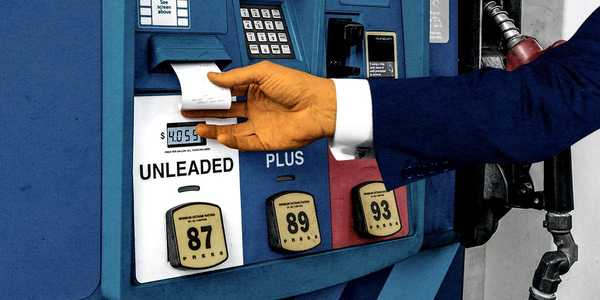
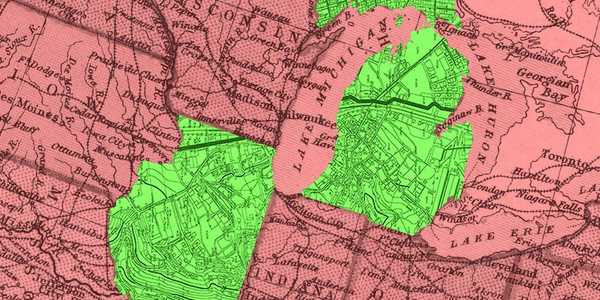
Meyer: In North America, the fuel that we’ve seen the most pressure on is diesel so far. Diesel prices are extremely high in a way that gasoline prices are high, but they’re not that bad. It’s funny, going back to your previous comment, I have been looking at maps and thinking, I wonder if Iowa or Illinois has the cheapest gasoline in the world right now? And it sounds like it actually does. Pretty close.
But with diesel, we’re beginning to see really eye-watering prices. And one comment I’ve heard from people in the oil industry is, it’s kind of surprising the Department of Energy hasn’t started to at least talk about plans for rationing this yet because we are getting to a price level where you would see physical shortages or at least diesel not making it to places where it would normally be making it. Do you think that it’s premature to be talking about the federal or Canada national response to these high diesel prices? Or should we actually be starting to plan for what a continued world of very high diesel prices that requires some degree of rationing and some degree of kind of physical allocation to certain geographies looks like?
You can find a full transcript of the episode here.
Mentioned:
Why the Real Oil Crisis Hasn’t Started Yet
Iran’s planned toll for the Strait of Hormuz is a $2.33 per ton carbon tax
China Is the Big Winner of the Iran Ceasefire
Rory’s previous appearance on Shift Key: Why Trump’s Oil Imperialism Might Be a Tough Sell for Actual Oil Companies
This episode of Shift Key is sponsored by ...
Lunar Energy is building the technology to turn homes into active participants in the power system. Learn more about Lunar’s vision of the future at lunarenergy.com.
Music for Shift Key is by Adam Kromelow.