GLOBALVARS
0
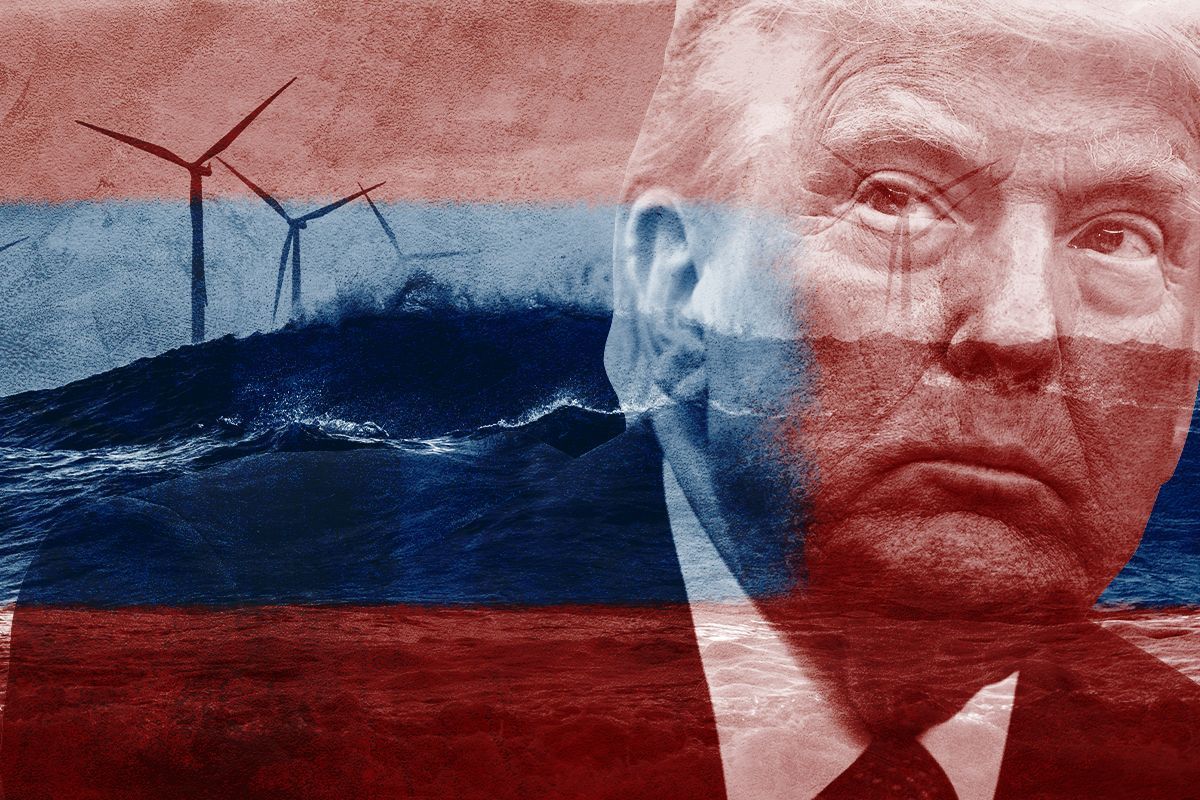
In the third deal of its kind, Trump’s Interior Department has agreed to pay the energy developer Invenergy $765 million to cancel its four offshore wind leases, an amount equal to what Invenergy originally paid the federal government for them.
Like the preceding deals, the administration structured the refund as a legal settlement with Invenergy. That means the government will pay the company out of the Judgment Fund, a reserve of taxpayer dollars overseen by the Department of Justice and the Treasury Department that’s set aside to settle litigation that’s either ongoing or imminent.
The Invenergy agreement follows a similar $928 million arrangement with TotalEnergies announced in March, and an $885 million agreement with several joint ventures in April. That brings the total amount the Trump administration has agreed to pay to cancel offshore wind leases to more than $2.5 billion to date. The agency has not yet posted the settlement publicly, but the previous agreements were predicated on hypothetical lawsuits that the offshore wind developers would have filed if the Trump administration had paused activity on their leases, which it threatened to do based on national security concerns.
The key difference in the Invenergy agreement is the quid pro quo. The other settlements specified that the companies would only be eligible for payment after investing an equal amount into U.S. oil and gas projects. In exchange for walking away from its offshore wind leases, Invenergy promised not only to develop natural gas-fired power plants, but also geothermal power generation projects — which are emissions-free.
Invenergy is a diversified power developer that builds solar, storage, wind, and natural gas generation. The company currently has more than 30 gigawatts of solar in its development pipeline and 10 gigawatts of natural gas. It has not yet built a geothermal power plant, but it has leased 139,000 acres of federal land to explore geothermal development. It’s also a member of the Mountain West Geothermal Consortium, a group of states, investors, and companies working together to scale the technology.
Invenergy holds one offshore wind lease off the coast of New York and New Jersey that it purchased in 2022 for $645 million, where it was developing its Leading Light project before work stalled last November. It also has a lease off the coast of California that it acquired for $112 million, also in 2022, and two in the Gulf of Maine, for which it paid about $9 million in 2024.
In a blog post published Wednesday, Invenergy said the deal with the Trump administration would “bring more megawatts to the grid and advance projects that can move forward today,” implying that the projects the company will build instead of offshore wind will come online faster.
The problem with Trump’s quid pro quos across all of these deals is that there’s no guarantee the companies wouldn’t have invested the same amount of money into the same projects regardless of whether they were reimbursed for their offshore wind leases. In the case of Total, the settlement is explicit that projects the company had already committed to invest in prior to the deal qualify.
After the administration announced the second round of offshore wind lease buyouts in April, making it clear the strategy was not a one-off settlement with Total but a new strategy to squash the industry, I named Invenergy as one of two developers that could be next. The other one that seems positioned to reach a similar deal is RWE, a German energy company with plans to develop 15 natural gas plants in the U.S. RWE paid $1.1 billion in 2022 to purchase a lease off the coast of New York and New Jersey for a project called Community Offshore — the most any company has paid to date for U.S. offshore wind development rights. It also bought a lease in the Pacific for $121 million, and another in the Gulf of Mexico for about $4 million.
Legal experts I’ve spoken with are skeptical that any of these settlement agreements comply with federal law. The government’s leasing statutes generally do not allow companies to walk away from their agreement and receive a refund.
Earlier this month, a group of seven attorneys general from Northeast states challenged Trump’s deal with TotalEnergies in court. They alleged that there was no actual disagreement between the parties that would legitimize use of the Judgement Fund. They also argued that under the Outer Continental Shelf Lands Act, the statute governing offshore wind, the Interior Department was required to hold a hearing to investigate whether continued activity on the lease would cause serious harm to the environment or national security before cancelling it.
The Trump administration has lost every lawsuit thrown its way so far challenging its actions on offshore wind. Last week, it quietly gave up its own appeal of a federal court’s December decision vacating Trump’s Day One Executive Order to halt wind energy approvals. The Invenergy deal suggests that this was less a sign of surrender in Trump’s wind war than part of a pivot to other strategies.