GLOBALVARS
0
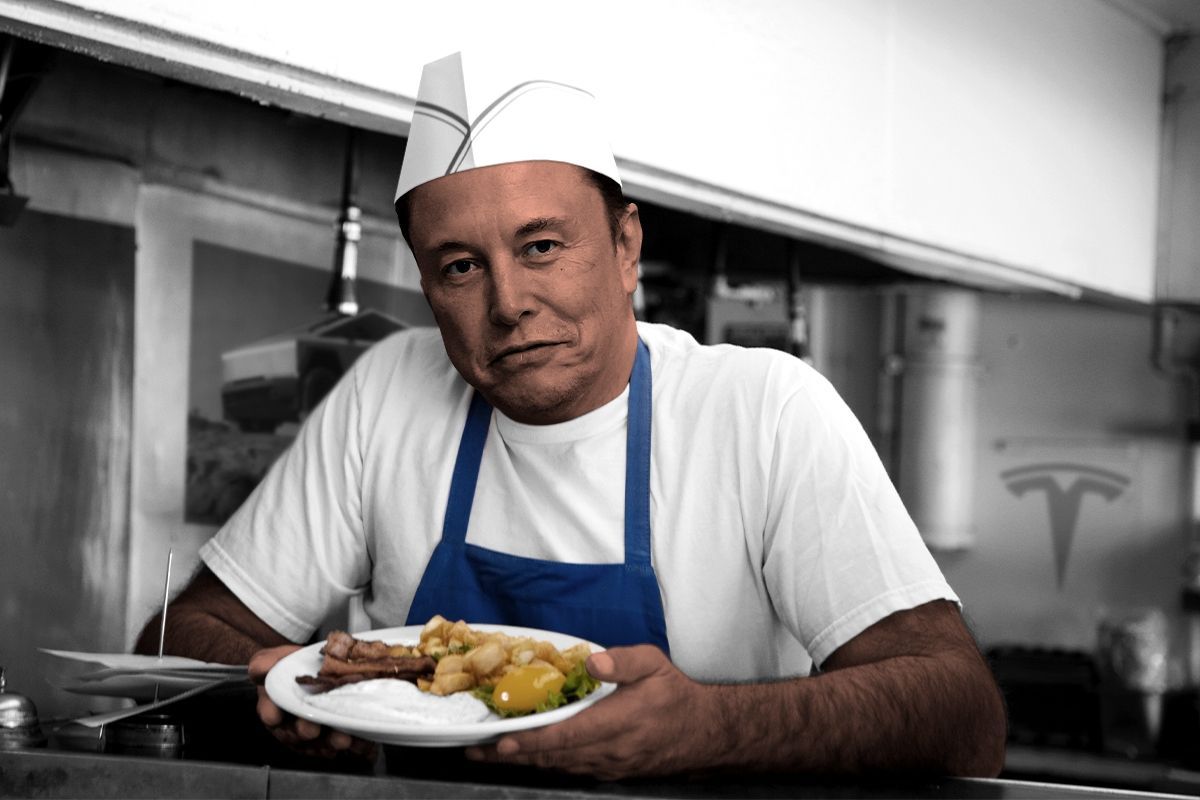
They were projecting Spaceballs onto the wall the first time I pulled into the Tesla Diner. To kill time while my car charged outside, I stepped into the retrofuturist Los Angeles luncheonette and spent six dollars on an oversized chocolate chip cookie. It came in a “Cyberbox,” a cardboard container meant to mimic the shape of the Cybertruck. My wife got a good laugh out of this burger box of Elon’s dreams. Now the carton sits on the kitchen counter, concealing toddler ephemera.
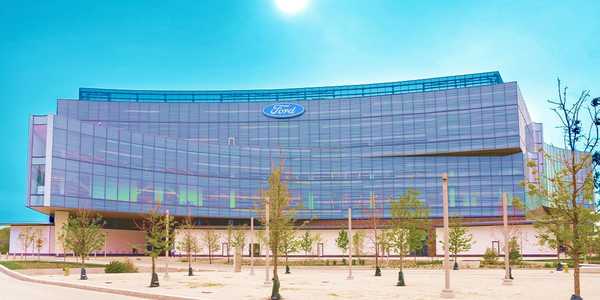
One taste of the Tesla Diner was plenty. But I have returned there, and it wasn’t for the wagyu beef. It’s because a strategically located mega-station is exactly what the world needs more of.
It’d be easy to argue the diner, like the Cybertruck, has been a flop. Musk’s direct involvement with the Trump administration — and the diner’s aesthetic mirroring of his particular id, right down to the movie selections and the Optimus robots handing out popcorn — made the place a target for derision and ongoing protest since its debut a year ago. The restaurant has been a bit of a disaster, too.
Yet Tesla Diner was the most successful Supercharging station in the world in the past year, delivering nearly 1,600 charging sessions per day. And though plenty of people stopped by just to post the notorious joint on social media, its achievement may have less to do with food, Instagram, or politics, and more to do with putting a bunch of plugs where the people are. The times I’ve stopped by, after all, I didn’t need an overpriced carton of fried pickles. I just needed electricity, immediately.
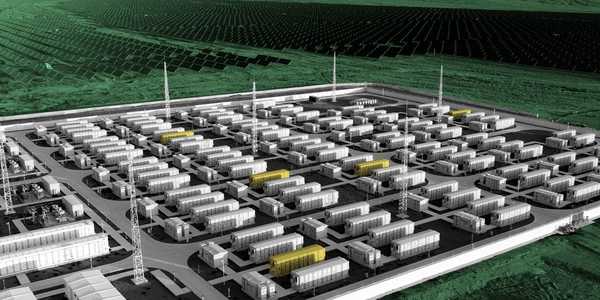
Strip away the restaurant and the hype, and Tesla Diner is an 80-plug fast-charging station plunked right in the middle of Hollywood. This had been a charging desert, a giant hole in the map of red dots around Greater L.A. Besides creating a bizarre new tourist attraction on Santa Monica Boulevard, the diner gave an enormous population of drivers a place to charge a Tesla — or just about any other new EV, now that most brands have moved to the NACS charging standard.
It’s an interesting case study in where, and what, charging stations should be as the nation continues to build out its various networks. Fast-charging stations tend to be built in particular kinds of places. Large outdoor malls and garages are overrepresented on charging maps because they offer plenty of parking spaces to lease and plenty of room to put in electrical infrastructure. Urban areas that don’t have those places, and instead have smaller strip malls and reasonably sized parking lots, are comparatively harder to wire up. That helps to explain the L.A. situation. This is perhaps America’s biggest electric car market, with a plethora of fast-charging stations on the affluent West side and outlying communities. Yet a huge swath of the city (all the way from the 405 to the 5) had practically nothing from Tesla for years, up until Musk decided to buy a parcel of land to build an edgelord’s drive-in.
Now that lots of charging stations exist along major highways to allow for long-distance travel, the next frontier of charging depots is the heart of the city, a place that’s been easy to overlook so far. Most of the drivers who’ve been affluent enough to become EV early adopters could charge at home and didn’t need urban fast-chargers to get around the city. But such charging depots could unlock new segments of American drivers, especially as EV prices begin to come down.
Consider, for example, that a few of the bluest counties in the country accounted for a disproportionate share of EV sales during the early part of the EV era, an unsurprising finding given the charged politics around electric cars. But those areas are not yet saturated. Many more residents would likely be interested in electrifying if they could afford the up-front cost of an EV and felt confident they could charge it — but may not have the option or the budget to install home charging infrastructure. That group needs lots of plugs close to where they live. If there’s a dearth of existing locations in which to install those chargers, then the solution may be to mimic what Musk has done with the diner: build a giant charging depot from scratch and give the people… something to do.
These issues are especially salient as stations scale up. Most urban and suburban depots to date have reached a maximum of around 20 plugs. Colossal depots with dozens of plugs had been limited to those on busy highway routes like L.A. to Las Vegas or San Francisco — at least until the diner popped up.
No, charging stations aren’t gas stations. We’re not headed toward a future with fast-charging plugs on every corner, in part because the ability to charge at home and at work negates the need for everyone to rely on public refueling. But until every house and apartment building has available plugs, we need a few more silly diners to remind people there’s plenty of juice out there.