GLOBALVARS
0
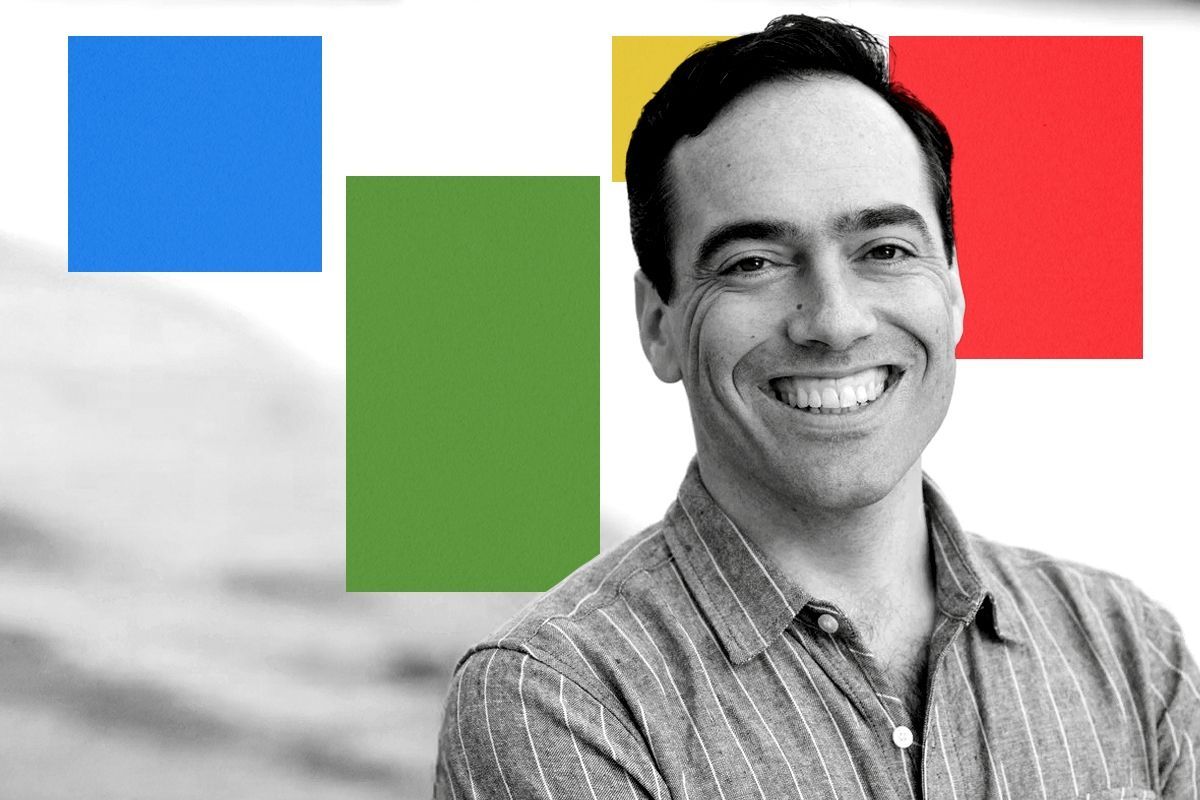
Last year, progressives pulled off their biggest state-level win in Georgia in 20 years when voters elected two Democrats to the state’s Public Service Commission, which oversees electricity utilities. It was the first time Democrats had won a state-level office in Georgia since 2006. This year, Democrats have a chance to take an outright majority on the board.
What would that mean — and what has life been like for the state’s newest power regulators? On this episode of Shift Key, Rob is joined by Peter Hubbard, a former renewables developer who won a spot on the Georgia Public Service Commission last year and will defend it this November. They discuss what a regulator’s day-to-day is like, how Georgia is dealing with the data center boom, and whether regulators can ever bring powerful utilities to heel.
Shift Key is hosted by Robinson Meyer, the founding executive editor of Heatmap News.
Subscribe to “Shift Key” and find this episode on Apple Podcasts, Spotify, Amazon, or wherever you get your podcasts.
You can also add the show’s RSS feed to your podcast app to follow us directly.
Here is an excerpt from their conversation:
Robinson Meyer: What has surprised you most about being commissioner so far?
Peter Hubbard: Well, probably what surprises me most is how dependent commissioners tend to be on staff to do the hard analysis and then present solutions. I’m the kind of person that can arrive at my own conclusions and come up with my own suggestions of where I think we should go. But really, commissioners tend to not be experts in their field. I’m a rare bird in that I’ve done this work, specifically working on integrated resource planning with other utilities. But we’re really dependent on staff.
So that’s been surprising, as well as I would say just how entrenched interests are. This is a state that’s been under one-party control for a long time. And while that’s changing, there’s just a certain way of doing business. And I hear frequently, This is the way we’ve always done things. And to me, that’s surprising, as well, and not really an acceptable answer.
Meyer: What’s an example?
Hubbard: Well, one is that the power company expects to collect full revenue requirements on really everything that they do, even on an individual basis. For example, storm cost recovery. So we had a docket a few weeks ago that concluded about the $912 million request to cover storm damage costs. And I put forward a motion to try and reduce that request and not have full revenue requirements, including profit on top of storm cost recovery. But that motion failed because the suggestion was, well, we’ve always had full revenue requirements on money that we spend, including on storm cost recovery. But those costs are increasing with more frequent and powerful storms, and that was something I questioned, and I think deserves more scrutiny going forward.
Meyer: In other words, basically, because there’s now going to be more storms, it’s kind of more opportunities to do storm cost recovery and therefore more opportunities for utility profit. Is that the link?
Hubbard: Yes, that’s right. That’s a vicious cycle going on, in my opinion.
You can find a full transcript of the episode here.
Mentioned:
Previously in Heatmap: Democrats Win 2 Key Energy Races in Georgia
This episode of Shift Key is sponsored by ...
Heatmap Pro brings all of our research, reporting, and insights down to the local level. The software platform tracks all local opposition to clean energy and data centers, forecasts community sentiment, and guides data-driven engagement campaigns. Book a demo today to see the premier intelligence platform for project permitting and community engagement.
Music for Shift Key is by Adam Kromelow.