GLOBALVARS
0
Heatmap AM and Daily will be off tomorrow for the July 4 holiday, but we’ll see you back here on Monday.
We’re staring down the barrel of a holiday weekend here in the United States, so I’ll keep it quick. Two things:
1.
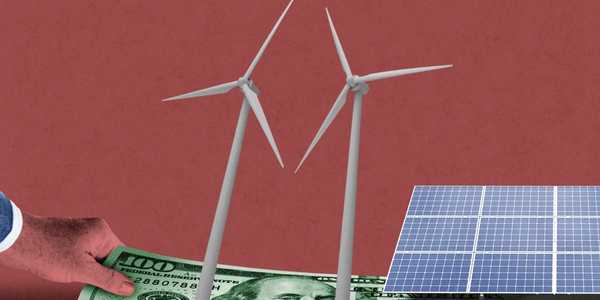
July 4 will mark the formal end of the solar and wind tax credits in the United States. These incentives — which date back in some form to 1978 — were repealed by President Trump’s tax cuts and spending law last year. In order to qualify for the last of these subsidies, solar and wind projects must “commence construction” by Saturday and be ready to generate power by the end of 2027.
Although the policies haven’t yet expired, there’s already chatter about bringing them back. Some Democrats want to revive the incentives should they win back Congress and the White House in two or six years. But 2029 or 2032 will likely look different than the earlier years of this decade, when the Inflation Reduction Act was written and passed: Power prices are higher now, the grid more congested, and the federal budget more constrained. So today, my colleague Emily Pontecorvo previews one of the next big questions in climate policy: Should Democrats try to bring back the solar and wind tax credits?
Her story is great, and one disconnect in particular stuck out to me. Among the climate and clean energy wonks Emily interviewed, “everyone” agreed that “in the near term, the most important thing Congress could do to help clean energy is break down some of the non-cost barriers to development through permitting reform.” Permitting reform, after all, has no fiscal cost and could be achieved during this Congress.
But Democratic lawmakers themselves sound far less sure about its importance. “I don’t think Democrats can engage in a serious way with Republicans on permitting reform,” Representative Jared Huffman, the ranking member on the House Natural Resources Committee, tells her. Read the rest of Emily’s story for more on how lawmakers are thinking about this question, which will only get more important as we get closer to ‘28.
Get Heatmap in your inbox daily.
* indicates required
Email Address *Our Privacy Policy & Terms Apply.
2.
We’ve begun to get Q2 sales data for global automakers — and there’s actually decent news for electric vehicles. Some highlights:
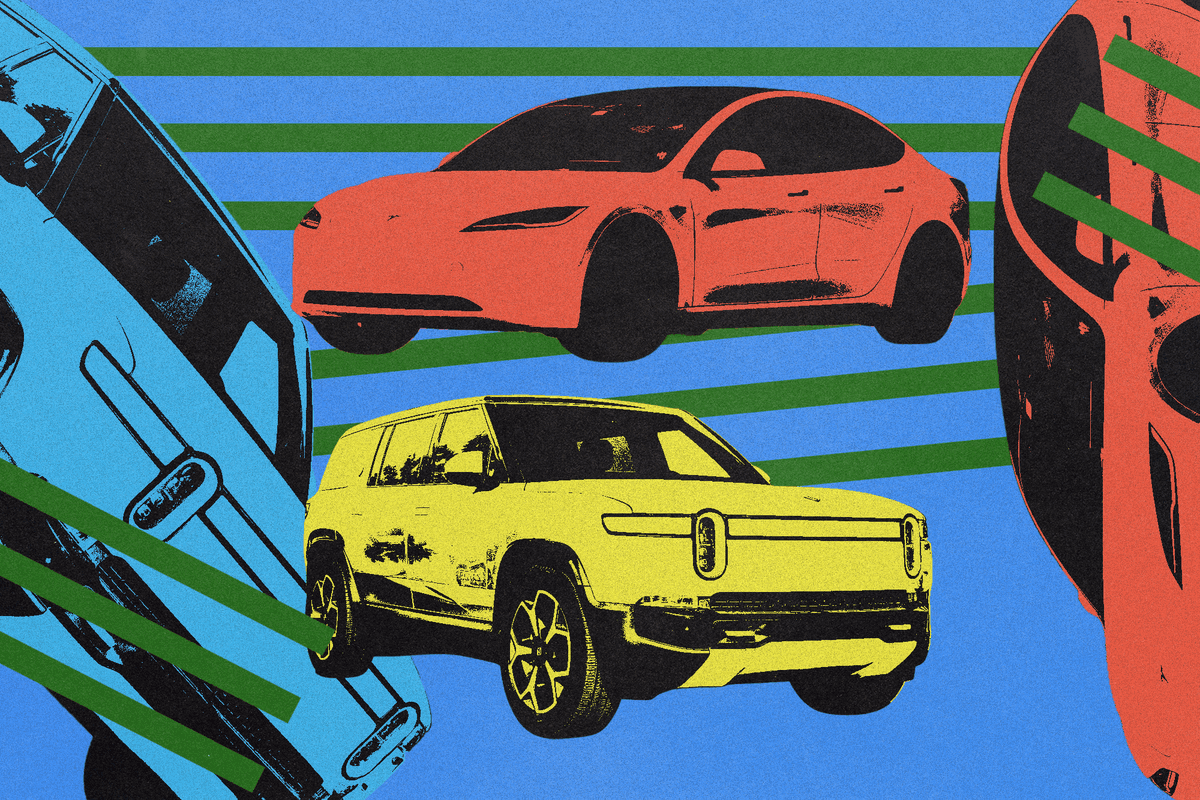
- Tesla’s sales soared last quarter, rising 25% compared to the same period last year. That seems largely due to strong sales in Europe, where Tesla’s aggressive loans and price cuts — as well as high fuel prices due to the Iran war — are driving a new surge in EV buying. Tesla also seems to be losing the Trump stink that kept Europeans away from its cars last year.
- The automaker also announced a new vehicle today, the stretched three-row SUV Model Y L. Because investors see Tesla as an AI and robotics company, and because everything’s made up and the points don’t matter, Tesla’s share fell 8% on the news.
- Rivian also says it will sell about 3,000 more EVs this year than it originally projected. The company only delivered about 42,000 cars last year, and it’s hustling to deliver the more affordable R2 later this year, so the bump is a meaningful one. The company’s stock rose about 8% on the news.
- Hyundai’s Ioniq line also reported strong sales. Given that the end of the IRA’s tax credits for EVs was now almost a year ago, it’s possible we’re finally out of the EV doldrums and are watching the industry enter a new and more stable era. Or maybe not. We’ll see!
Enjoy your holiday weekend, and remember: We’re now in Q3. Thanks, as always, for reading.