GLOBALVARS
0
Hydrogen fuel comes in myriad forms. There’s green hydrogen, which is extracted from water molecules using zero-carbon electricity. There’s blue hydrogen, derived from methane and scrubbed clean by carbon capture. And then there’s white hydrogen. Otherwise known as natural or geologic hydrogen, this type of hydrogen comes directly from naturally occurring deposits in the earth, can accumulate in considerable quantities and concentrations, and is highly energy-efficient to extract compared to manufacturing pathways such as electrolyzers and steam methane reforming.
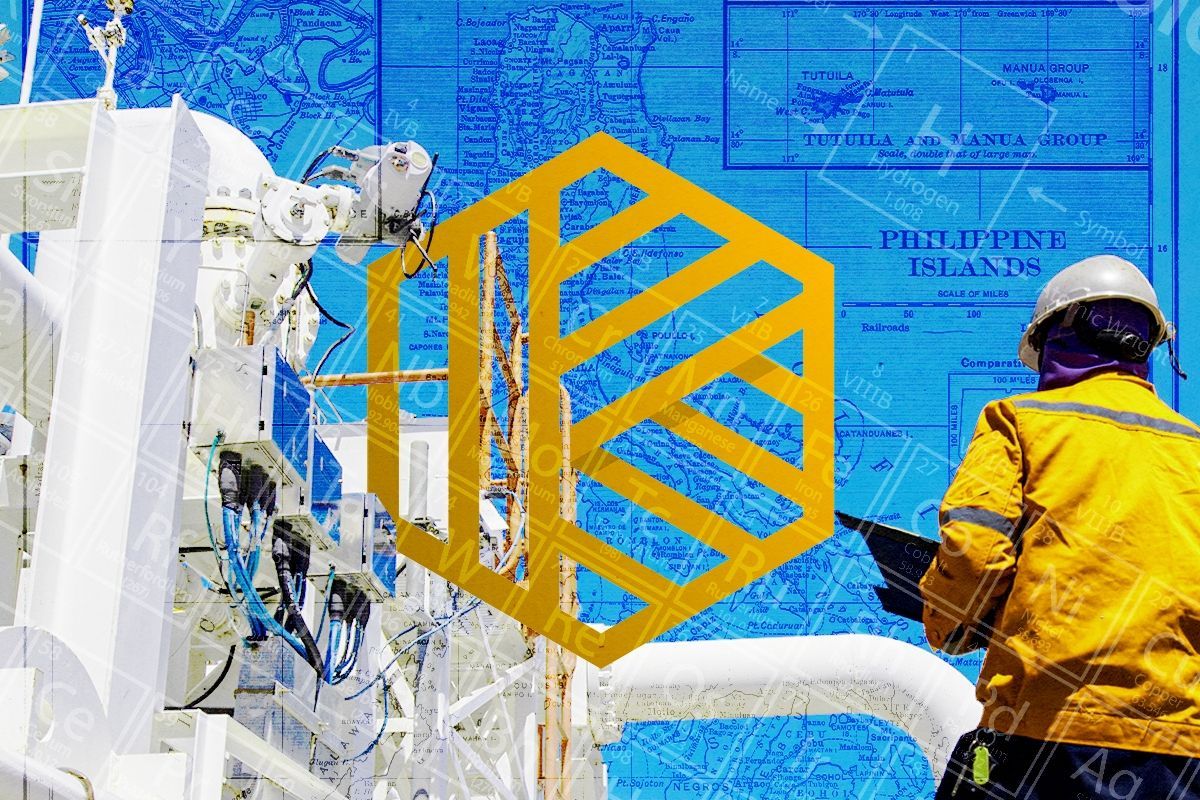
It’s a seductive promise, but finding deposits with enough hydrogen to make the economics of exploration work is difficult. That’s where Koloma comes in. The startup uses a bespoke subsurface data set, which its founders developed over 20-plus years, to flag the areas most likely to hold sufficient hydrogen, after which they can extract it for power and derivative fuels.
On Thursday, the startup announced its latest exploration deal, its third in the Philippines, which will give it exclusive rights to a roughly 817-square-mile area in western Zambales Province on the island of Luzon. Altogether, the company now has rights to explore more than 1,600 square miles of the island.
The Philippines until recently imported 98% of its oil from the Middle East. Since the onset of the U.S. and Israel-led war in Iran and the subsequent closure of the Strait of Hormuz, the country’s responses have included declaring an energy emergency, imposing a four-day workweek, tripling solar panel imports from China, and even planning to dust off the Bataan Nuclear Power Plant, which has sat idle since 1986.
The country also sits between three active tectonic plates, which means it has a lot of young iron-rich rock formations exposed to water — exactly the conditions that continuously produce natural hydrogen.
“The Philippines is like the poster child of that,” Pete Johnson, Koloma’s CEO, told me. “The geology is very, very good.” Accordingly, the prospect of a plentiful, easy-to-tap domestic energy source has gotten Philippine policymakers excited. The government collects data on natural leaks of hydrogen from the ground to help companies like Koloma narrow their search.
In theory, once a viable deposit is discovered, extraction is straightforward. “If you drill a hole into that pressurized reservoir, the gas is going to flow by itself. It’s just like poking a hole in a balloon,” Johnson told me. Where electrolyzers need around 55 megawatt-hours of energy to produce a ton of hydrogen and gas-powered reformers need around 40 megawatt-hours, natural hydrogen extraction would take 3 megawatt-hours maximum, according to the CEO. And unlike some methods to artificially stimulate the formation of hydrogen deposits, which my colleague Katie Brigham wrote about last week, tapping into natural wells doesn’t require injecting high-pressure fluids, which keeps the structural integrity of the subsurface intact.
Koloma has no hard agreement with the Philippine government to earmark any of the hydrogen it may produce there for domestic consumption, Johnson told me. But given the difficulty of transporting the lightweight gas and the projected growth of the Philippine economy, he expects the country would be the overwhelming beneficiary of Koloma’s activities there.
Once it’s extracted, Koloma could sell the hydrogen as a primary resource (major population and industrial centers like Manila are close to exploration sites) or as a feedstock for products like ammonia and sustainable aviation fuel, which local manufacturers could then export. There may also be opportunities to sequester captured CO2, which easily bonds with the types of rock often found in natural hydrogen deposits and can in turn make the rock more reactive for hydrogen generation.
Hydrogen has figured heavily in the decarbonization and energy security plans of import-dependent East and Southeast Asian economies for a long time. As Katie explained earlier this year, it’s also a centerpiece of China’s latest five-year plan. Japan, meanwhile, has been a leader since the industry’s inception, rolling out the world’s first hydrogen strategy in 2017. The Philippines’ partnership with Koloma is a bet that there are enough hydrogen balloons under its land to put its energy plans on the same trajectory.