GLOBALVARS
0
Is this how a new wave of inflation starts?
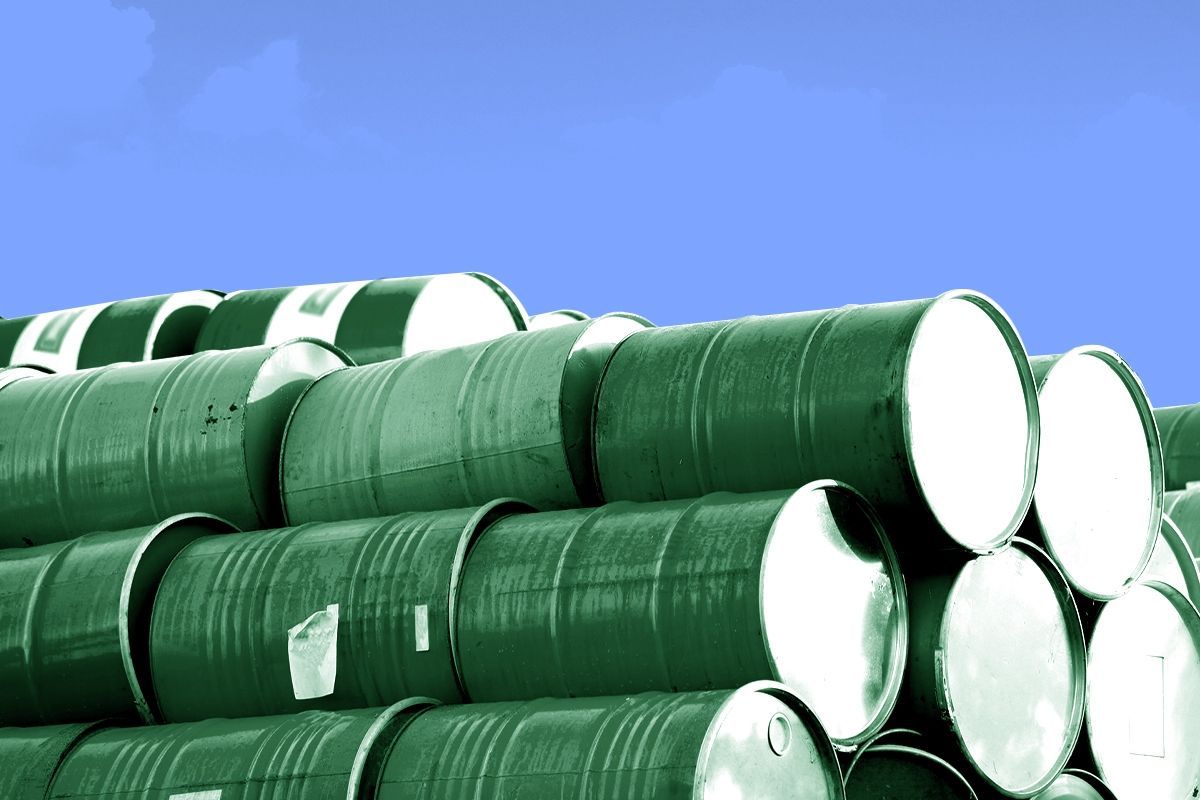
The international crude oil benchmark leapt to $100 a barrel on Thursday, its highest level since May. The surge came after the Iran-backed Houthi group in Yemen attacked two Saudi oil tankers in the Red Sea.
Those strikes pinched one of the remaining fossil-fuel export routes from the Arabian Peninsula, but they also revealed new constraints on President Trump’s Iran strategy. Throughout most of the spring, the president was able to keep a lid on oil prices by vowing to end the war that he started — and when he said he wanted a ceasefire, investors believed him. Now the White House is running out of options to end the conflict, and the president may be losing his ability to jawbone prices lower.
Now, these high prices haven’t quite hit in America yet. The U.S. oil benchmark, West Texas Intermediate, stands at $92, having risen 25% over the past month. But gasoline and diesel prices are rising fast. And in any case, Americans may be about to deal with a new one-time price hike from another source: tariffs.
The U.S. Trade Representative announced a new array of global tariffs on Thursday afternoon; it will start levying 10% to 12.5% taxes on most of the imports from more than 80 countries tonight. (By the Trump administration’s own reckoning, these countries supply 99.4% of America’s imports.) The new tariff regime, which is allegedly designed to withstand the Supreme Court’s scrutiny, has some crucial exemptions, including drugs, cars, phones, planes, semiconductors, and oil and natural gas.
But it will fall heavily on goods and exporters that supply electricity and clean energy inputs to the United States. I’d love to be wrong, but on my initial read, solar panels, lithium-ion batteries, inverters, motors, and other power equipment are all covered by these new tariffs (to name a few categories). These new taxes will stack on top of the existing anti-dumping tariffs that already apply to, say, Southeast Asia-made solar panels. You have to squint for silver lining here, but perhaps there’s an upside for manufacturers: These additional tariffs won’t apply to the “critical mineral” inputs that they rely on to make some of these technologies in the U.S. Most transformers also seem to be exempt because they’re already covered under an earlier tariff regime. Alas, many other goods that manufacturers do need — such as factory equipment — will face the new levies.
The United States economy is resilient; it looked through the spring’s run-up in oil prices as well as Trump’s earlier round of trade levies. (I’m half-convinced that tariffs are likely to outlive the Trump administration, no matter what happens in the next few months, because the federal government would otherwise be starved of revenue without them.) But as my colleague Matthew Zeitlin wrote last week, we know the U.S. energy system is already wheezing under current price levels. A new surge in oil prices, a price hike for renewable energy inputs, and a continued surge in electricity demand do not set us up for a beautiful outcome.