GLOBALVARS
0
Current conditions: Drenching storms are heading for the East Coast tonight, especially in the South • The storms barreling through the Pacific, including the now-Category 4 Hurricane Lowell, are unlikely to make landfall or do much beyond stir up the surf in parts of Hawaii and California • Further west across the ocean, Typhoon Krovanh is hammering Japan’s Amami Islands with rain.
THE TOP FIVE
1. In a first, China’s shrinking appetite for oil is behind an emissions drop
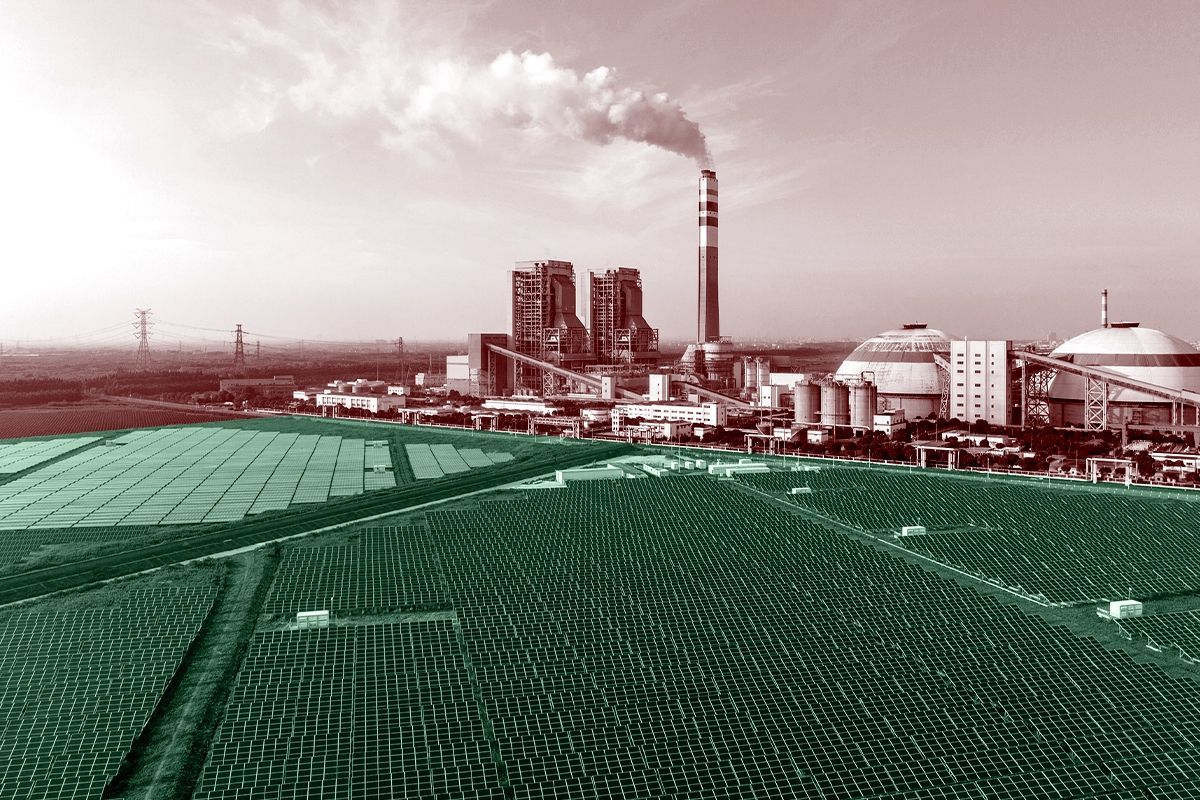
The breakneck speed of China’s deployments of solar panels, wind turbines, and nuclear reactors has done much to curb its emissions, even as the People’s Republic remains heavily reliant on coal. But Beijing’s effort to weather the shock of losing steady access to oil and gas out of the Persian Gulf is paying off as the country accelerates its transition away from hydrocarbons to alternative fuels and electrification. Last month, I told you when Sinopec’s chief executive predicted that China’s demand for oil had already peaked. Now a new report shows that China’s emissions dropped by 1% in the second quarter of 2026 as a result of plummeting oil consumption amid the Strait of Hormuz crisis. Analysis from the Centre for Research on Energy and Clean Air, a Helsinki-based research nonprofit that tracks China’s energy transition, produced for Carbon Brief found that China’s total carbon dioxide emissions fell despite a rebound in coal-fired power generation because oil dropped by 9% overall and by a whopping 16% for transportation. It’s the first time a reduction in oil consumption was directly responsible for falling emissions in China. And the country is likely to see further emissions drops. After all, Chinese technology essentially “saved the world from Trump’s energy crisis,” as my colleague Robinson Meyer teased out in a recent Shift Key episode.
2. Hyundai breaks ground on America’s flagship green steel project
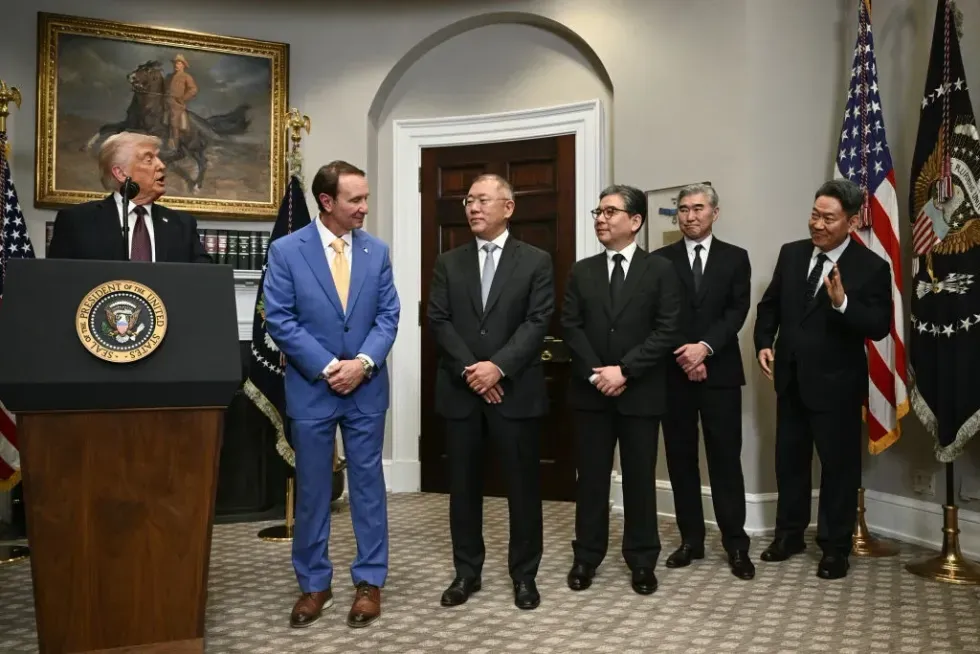
Thanks to the Trump administration’s recent wrangling, the $500 million the Biden administration had given steelmaker Cleveland-Cliffs to upgrade its facility in Ohio to produce steel with a cleaner, electricity-based method is now going to refurbishing the coal-fired blast furnaces at the facility, instead. That made Hyundai’s plans for a hydrogen-powered steel plant in southern Louisiana the flagship green steel project in the nation. Later today, it’s finally breaking ground. Canary Media reported that the South Korean automotive and industrial giant will hold a ceremony Friday to mark the start of construction on the project, which is set to come online by 2029. At first, the project is set to run on hydrogen made from natural gas. But by the early 2030s, Hyundai has laid plans to switch to hydrogen made by electrolysis using clean electricity and produced locally.
Meanwhile, Posco, one of South Korea’s dedicated steel giants, is experimenting with hydrogen-based steel production using iron ore from Australia, the latest sign that the East Asian nation is leaning into green H2, according to Hydrogen Insight.
3. Europe is entering winter with its lowest natural gas stores on record
In 2021, western Europe suffered what the Germans call a dunkelflaute, or “dark doldrums,” when expected wind simply doesn’t blow. As a result, wind turbines produced less electricity, and Europeans tapped natural gas stores to generate power, draining supplies ahead of winter. That left the European Union particularly vulnerable to energy shocks when Russia invaded Ukraine the following February. Once again we find ourselves in a situation where America’s spy chief is going to Moscow to reportedly dissuade the Kremlin from launching an attack on a Western ally and Europe’s gas stocks are way down. On Thursday, the head of the industry group Gas Infrastructure Europe told the Financial Times that natural gas stores are at a record low for this time of year. “If we are faced with a compound shock, this is going to be problematic,” said Lucie Boost, the head of the trade association.
Meanwhile, Russia’s ballooning gas crisis, brought on by Ukrainian attacks on refineries, is hurting another American ally. Mongolia, the splotch of democratic blue in the middle of authoritarian red Asia on the Freedom House Index map, is heavily dependent on Russia for fuel and energy. Fuel prices have nearly doubled since the spring, Reuters reported. In the U.S., diesel prices reached an all-time high on Thursday of $5.82 per gallon, surpassing by a 10th of a cent the previous high set in June 2022. “My routine now starts with checking the overnight wires to see if there were any drone strikes on refineries,” Gulf Oil energy advisor Tom Kloza told my colleague Matthew Zeitlin. “That’s what this business has come down to.”
Sign up to receive Heatmap AM in your inbox every morning:
Email Address *Our Privacy Policy & Terms Apply.
4. America’s pipeline of onshore wind is shrinking
The U.S. added nearly 5 gigawatts of onshore wind turbines in the second quarter of 2026, but the projects in the pipeline are dwindling by 4%, according to a new American Clean Power Association report. At least 44 gigawatts are “stuck” in the Department of Defense’s review process, though a judge recently ordered the Trump administration to restart processing applications after a prolonged pause. “Time will tell how the Department of Defense reacts to that judgment, and whether or not they start to process those wind projects in the same way that we saw them do before a lot of these actions were implemented,” John Hensley, senior vice president of markets and policy analysis at ACP, told Utility Dive. “If that is the case, then I think there is a large volume of projects sitting behind that bottleneck.”
5. India is producing a lot more solar panels than it can use
India’s solar sector has boomed in recent years, especially as the U.S. and Europe went looking for alternate suppliers to China. While the country still has a way to go to build out its capacity for upstream components such as cells and wafers, India’s module manufacturing output has reached 233 gigawatts, with factories operating at most 45% of the time as demand fails to match the maximum potential output, PV Tech reported.
THE KICKER
California’s biggest experiment in virtual power plants is progressing. Pacific Gas & Electric announced a first-of-its-kind VPP deal with Google, Tesla, Sunrun, and others coordinating networks of solar panels, batteries, and smart devices in the Bay Area. “This is about delivering power at the speed our economy demands—while improving affordability and reliability for the people we serve,” Chelle Izzi, PG&E’s chief commercial officer, said in a statement.