GLOBALVARS
0

Before I covered energy and climate change, I was a technology journalist. And I remember 2011, 2012, and 2013 as a time of tremendous change.
Over the course of a few years, a procession of tech startups — including Facebook, Twitter, LinkedIn and Yelp — transitioned from being secretive industry darlings to normal publicly traded companies. All at once, social media companies that had once seemed cool and somewhat elusive turned into some of the biggest and most boring members of the Fortune 500. These companies didn’t become any less interesting to Wall Street, of course, and Facebook soon cemented itself as a profit titan. But the era when a social media startup could seem alluring, potent, and even darkly glamorous had concluded. With a shuffling of ownership papers, the avant garde became the old guard.
I wonder if the same thing is about to happen to the artificial intelligence business. For the past four years, AI startups have been among the most mysterious firms in the American economy. Their decisions reshape power grids and contort geopolitics, yet there has remained something strikingly informal about these organizations. Just as with the social media companies of the early 2010s, you can learn a lot about ChatGPT and Claude by following the right podcasts, newsletters, and X accounts — OpenAI and Anthropic employees disclose a tremendous amount of useful information in their efforts to out-hype each other.
But soon these startups will become … well, normal companies, too. Earlier this week, OpenAI confidentially filed with the Securities and Exchange Commission to offer its stock to the public. It revealed the filing on Monday because it expected the news to leak; executives cautioned that they might delay the offering because “there are things we want to do that are likely easier as a private company.” Earlier this month, Anthropic also filed with the SEC to go public as soon as the fall.
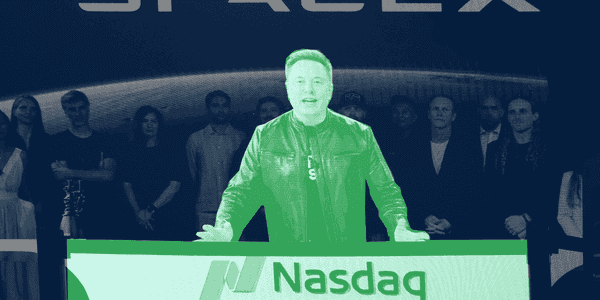
And of course SpaceX will conduct its IPO later this week — and it will likely be the largest public offering of all time.
These offerings might seem like they have little to do with the world of climate and energy. In fact, they matter to our part of the world quite a lot. That’s not only because they will generate a new surge of philanthropic and venture capital for decarbonization causes, as my colleague Katie Brigham wrote earlier this week.
It’s also because they mark a potential market-changing moment for climate-friendly companies that have, thus far, benefited from the AI boom. A number of low-carbon electricity firms — such as NextEra, Fervo, and T1 Energy — have surged as investors bet that electricity will become scarce in the AI era. That expectation, I should clarify, has been good for everyone in the power business, including coal and natural gas plant owners, but it has seriously helped the tranche of clean energy startups that initially planned to profit from the Inflation Reduction Act. Yet have AI-loving investors flocked to these energy startups because they could not buy equity from the frontier AI labs themselves? We’ll soon find out.
Meanwhile, I don’t think it’s set in yet how much SpaceX, in search of a pre-IPO narrative diversion, has reframed itself as a company that manufactures orbiting data centers. It has also signed big deals allowing Anthropic and Google to use its existing (and terrestrial) data centers. That’s partly to draft off the AI boom, too, of course — SpaceX absorbed Elon Musk’s xAI in February— but it’s also a response to the difficulty of getting a U.S. power grid hookup and the darkening permitting environment for data centers.
I mentioned at the beginning of this piece that I remember the early 2010s as a boom time for IPOs. So I was shocked to look back and discover that each year in that period only saw one or twomajor internet companies conduct initial stock sales. That era did not come anywhere close to the current fervor; this year, we’ll see as many as three era-defining companies go live within months of each other. We’re in a mind-bending moment — and we shouldn’t forget that.