GLOBALVARS
TEST TEST TEST
0
Products
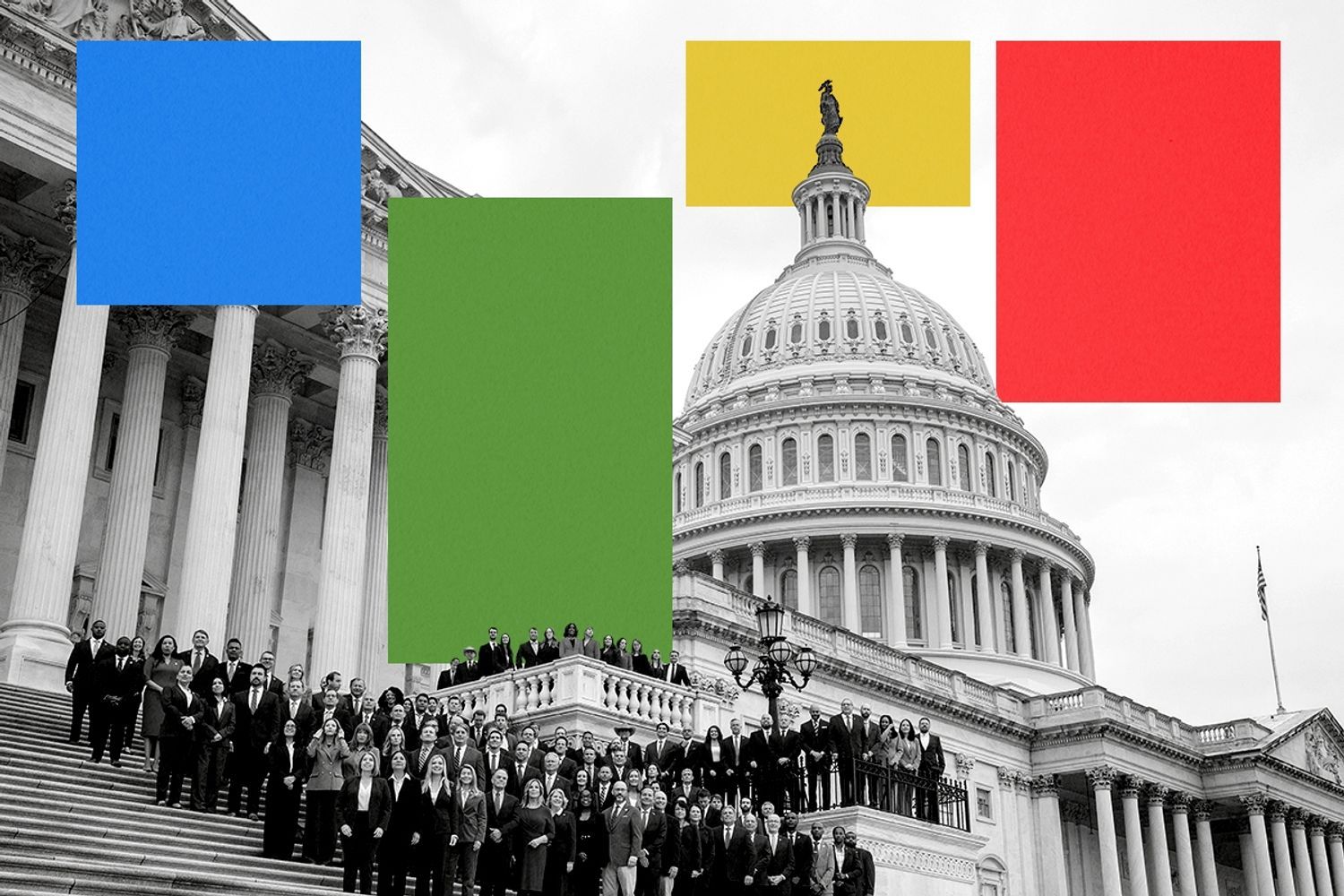
A few weeks ago, some colleagues and I had the chance to go to New Haven, Connecticut, for what’s become an annual live Shift Key taping at the Yale Clean Energy Conference, hosted by the Yale Center for Business and the Environment. This year, we did it three days after the midterm elections.
I was joined in this conversation by Heatmap founding staff writer Emily Pontecorvo and Heatmap’s newest correspondent, Alexander C. Kaufman. Obviously, this was a live show, and we recorded it before a number of things had happened, including the recent revisions to — or maybe even, by the time you read this, the potential passage of — the bipartisan permitting reform bill and potentially, by the time you listen to it, the passage in the Senate. But there are still plenty of questions that remain for the next Congress.
Shift Key is hosted by Robinson Meyer, the founding executive editor of Heatmap News.
Subscribe to “Shift Key” and find this episode on Apple Podcasts, Spotify, Amazon, YouTube, or wherever you get your podcasts.
You can also add the show’s RSS feed to your podcast app to follow us directly.
Here is an excerpt from their conversation:
Robinson Meyer: How are either of you thinking about the much larger consequences of this election? What it means for the kind of national political regime that we’re in?
Emily Pontecorvo: We started this conversation saying it’s a little soon to have big takeaways about this election. We’re still processing it. I’m wondering how climate politics are going to evolve. I think, you know, you were just sort of alluding to this. But one thing that we’ve been discussing internally at Heatmap is like, for so long, fossil fuel companies have been like the big bad guys of climate change and tech companies have sort of been saviors. And we are starting to see that shift a little bit. I mean, I don’t think fossil fuel executives are being absolved, but we are seeing the climate movement really shift toward data center activism and anti-AI activism. And so I wonder how that is going to manifest in the presidential election. What will climate activism and climate politics look like? That’s what I’m curious about.
Alexander C. Kaufman: So, obviously, everything kind of hinges on what happens with the permitting reform bill. So I don’t want to get out ahead of that portion of the conversation. But frankly, I feel a little bit cynical. I think that there is going to be a lot of pressure for the new Democratic majorities to focus heavily on oversight. And rightly, in many cases, there are cases that courts have already ruled that the Trump administration seemingly violated the letter of the law that was passed, certainly in terms of money coming out of the Inflation Reduction Act that was redirected, for example, to relining a blast furnace at a Cleveland Cliffs steel mill rather than building a new, you know, cleaner, lower carbon source of iron. And so I think there will be a lot of pressure to hold the administration accountable for those things. I think it’s also worth noting that there are a lot of hungry mouths to feed that have nothing to do with energy.
Meyer: Yes, right. Exactly.
Kaufman: There’s a lot of care economy ...
Meyer: Healthcare — yes. Energy kind of won the last reconciliation bill. We’re not talking about a number of other issues that have historically defined the Democratic Party. I am so curious, Emily, to your point about what a blue Texas means for any of this, one thing that happened instantly upon Mamdani — I mean, we all live in New York, so we’re like very Gotham-centric. But one thing that clearly happened instantly with Mamdani winning in New York is that he had to get religion on Wall Street, and more broadly, financial services jobs being extremely important to the city of New York’s economy, and that he wanted to grow these jobs, whatever he could do, because suddenly he was in an executive position and needed the economy of the region to do well to accomplish his broader goals.
And I think if Talarico alone had won Texas, he would have been able to walk a kind of careful all of the above policy. And I think, you know, Hinojosa is going to do all of the above too. But I think having a Democratic governor of Texas, who the Democratic Party is going to be looking to defend for the next four years, really changes what the politics of oil and gas are for the Democratic Party, and is a much, much bigger change from, I think, where the Biden administration wound up at the end of its term, which is we support the workers in oil and gas, but we don’t necessarily support the companies. I think we just don’t know yet what a Democrat sitting in the Texas governor’s mansion means for the way the whole party thinks about these issues.
You can find a full transcript of the episode here.
Mentioned:
Alex’s election-night story: Democrats Took Control of Congress. Here’s What They Plan to Do With It.
Emily’s transmission story: Exclusive: New Modeling Finds Permitting Bill Would Likely Cut Emissions
Rob’s Wall Street story: The Anti-Utility Election
This episode of Shift Key is sponsored by ...
Formed through a joint venture between Wärtsilä and RCT Solutions, Valo helps utilities, independent power producers, and developers navigate market and grid complexity without sacrificing system performance. Learn more at valoenergy.com.
Every year Giving Green researches the top climate nonprofits and sends 100% of every dollar donated to its Giving Green Fund straight to them. Make your first gift before the new year, and it will be matched up to $1,000. Go to GivingGreen.earth/Shift.
Music for Shift Key is by Adam Kromelow.