0
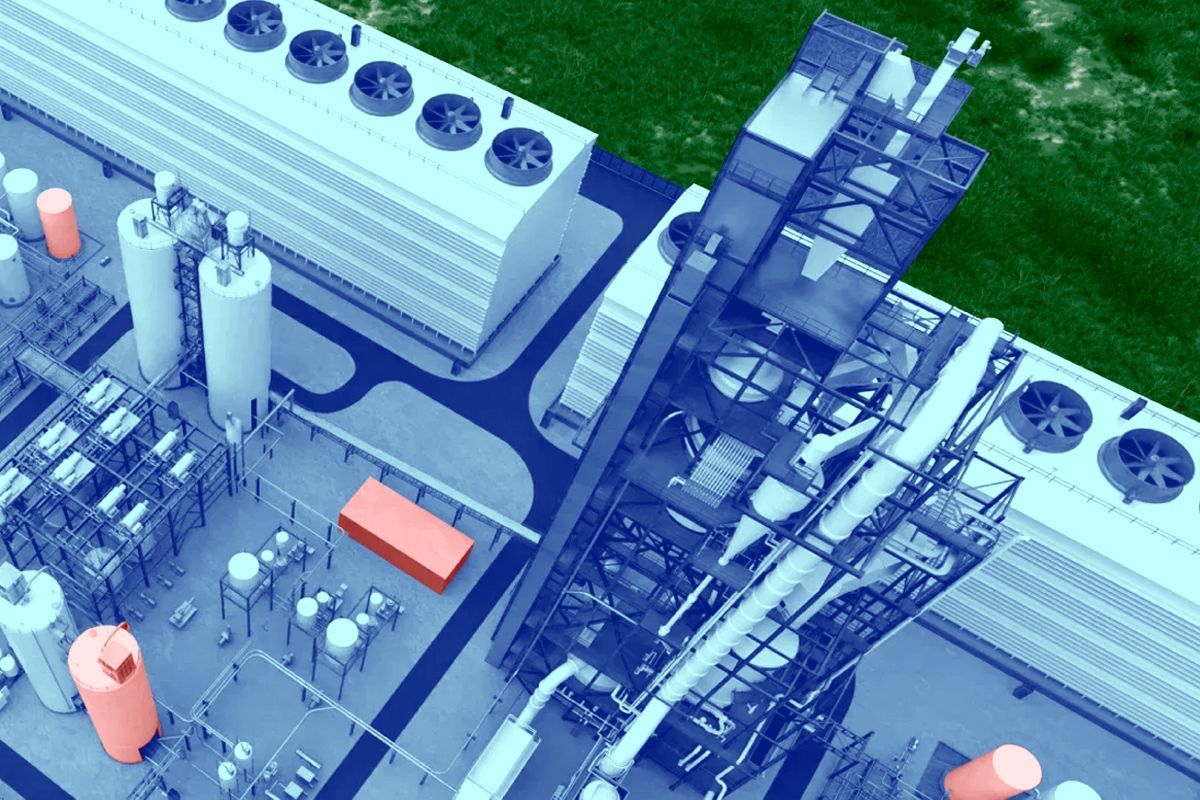
The Department of Energy is allowing the Direct Air Capture hub program created by the Biden administration to move forward, according to a list the department submitted to Congress on Wednesday.
The program awarded up to $1.2 billion to two projects — Occidental Petroleum’s South Texas DAC Hub, and Climeworks and Heirloom’s joint Project Cypress in Louisiana — both of which appeared on a list of nearly 2,000 grants that have passed the agency’s previously announced review of Biden-era awards.
This fate was far from certain. The DAC Hubs program originally awarded 21 projects, most of them smaller in scale or earlier in development than the Louisiana and Texas hubs. The DOE terminated 10 of those awards last October. A few days after the news of the cancellations broke, the Louisiana and Texas hubs both appeared on a leaked list of additional projects slated for termination. The companies never received termination letters, however, and now the DOE has notified the developers that the projects will be allowed to proceed.
A spokesperson for Battelle, the lead project developer for Project Cypress, told me the company has been “advised that the DOE project team with oversight of Project Cypress will be contacting us soon to begin the process of moving the project forward.”
Wright has signaled that many of the projects that made it through the review process had to be modified, but it is unclear which ones or how the DAC hubs will be affected. Neither Battelle nor the other companies responded to questions about whether their plans have changed.
The award amount is also up in the air. Originally, each project was awarded about $50 million for early development, with the opportunity to receive up to $600 million each. The spreadsheet of retained projects lists each of the DAC hubs at $50 million, but that may just be the amount that has been obligated so far. The DOE’s budget request for 2027 suggests it could be planning to pay out the full amount: The agency wants to rescind $2.3 billion from the $3.5 billion DAC Hubs program, which, if approved, would still leave $1.2 billion, the amount earmarked for the Project Cypress and South Texas hubs.
In an email, Climeworks spokesperson Tristan Lebleu told me the company “looks forward to engaging with the Department of Energy and our partners on next steps to advance our project in Louisiana."
Vikram Aiyer, the head of policy for Heirloom, said the project has strong support from local leaders, including Louisiana's Congressional Delegation and Governor Jeff Landry. He said the startup looks forward to working with the DOE on “unlocking the appropriated and obligated monies to create high-quality jobs, strengthen domestic supply chains, and pair industrial growth with advanced carbon management and utilization.”
A spokesperson from Occidental declined to comment, advising me to contact the DOE. The DOE has not responded to a request for comment.
While the companies are painting this as positive news, they must now contend with a new challenge: raising private investment for these projects in a very different environment than when the projects were first proposed. Carbon removal purchases are down and investors are not as keen on the industry as they once were.
“This is a step in the right direction but what’s important now is that these projects get built,” Giana Amador, the executive director of the Carbon Removal Alliance, wrote on LinkedIn. “That means steel in the ground, agreements honored, and clarity so our companies can do what they do best: build.”