GLOBALVARS
0
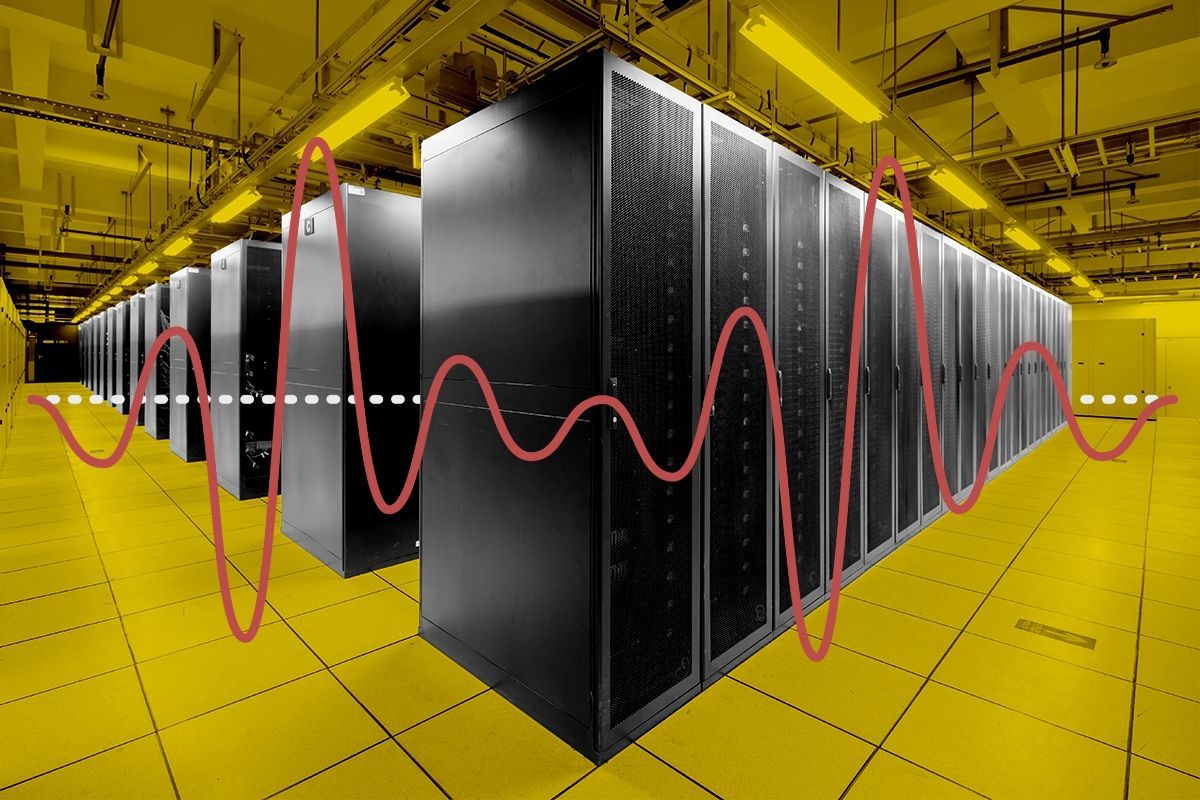
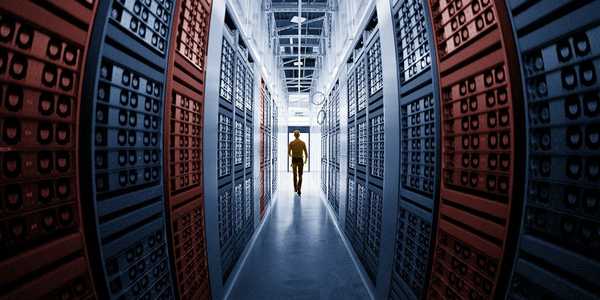
As the data center boom pressures counties, cities, and towns into fights over noise, the trickiest tone local officials are starting to hear complaints about is one they can’t even hear – a low-frequency rumble known as infrasound.
Infrasound is a phenomenon best described as sounds so low, they’re inaudible. These are the sorts of vibrations and pressure at the heart of earthquakes and volcanic activity. Infrasound can be anything from the waves shot out from a sonic boom or an explosion to very minute changes in air pressure around HVAC systems or refrigerators.
Knowing some of these facilities also have the capacity to produce significant audible noise, growing segments of the population’s more tech-skeptical and health-anxious corners are fretting some data centers could be making a lot of infrasound, too. The whizzing of so many large computational machines combined with cooling fans and other large devices creating so many new columns of air flow. Add onto that any rotational onsite power generation – think natural gas turbines, for example – and you get quite a lot of movement that could potentially produce what they say is infrasound.
Some of the virality of this chatter about infrasound and data centers comes from a video about infrasound created by audio engineer and researcher Benn Jordan. Currently sitting at more than 1 million views, this short YouTube film documents claims that some data centers are operating like “acoustic weapons” through infrasound and harming people. Andy Masley, an “effective altruist” writer, has become the chief critic of the Jordan video, getting into a back-and-forth that’s raised the issue to Internet discourse territory.
The Jordan-Masley infrasound debate is honestly a bit of a mess. So I want to be clear: I’m not going to get into the science of whether or not infrasound poses any kind of public health risk in this article. We can get to that later. It’s worth saying that this subject may need more study and that work is ongoing. Also, talking about infrasound at all can make you honestly sound a little wacky (see: this study blaming people seeing ghosts on infrasound). It might also remind you of another panic in the Electric Age: electromagnetic fields, also known as EMFs. Developers of transmission lines and solar projects have long had to deal with people worried about transmission lines and large electrical equipment potentially glowing with invisible, unhealthy radiation.
In late 2024, I wrote about how an RFK Jr. supporter worried about this form of electrical emission was helping lead the fight against a transmission line in New Jersey for offshore wind. Maybe that’s why it didn’t surprise me one bit when the Health and Human Services secretary himself told a U.S. Senate Committee last week that he was asking the Surgeon General’s office to “do either meta reviews” or “base studies” on noise pollution and EMF radiation from data centers “so we can better inform the American public.”
“There’s a range of injuries that are very, very well documented. They’re neurological – very, very grave neurological injuries, cancer risk,” Kennedy Jr. told the Senate Health, Education, Labor and Pensions Committee on April 22 in response to a request from Sen. Josh Hawley of Missouri to study the issue. “The risks, to me, are tremendous.”
There’s also the unfortunate reality that infrasound impacts have previously been a cudgel to slow down renewable energy deployment. Wind turbines create infrasound because of the subharmonic frequencies created when one turbine rotates at a slightly different pace than another, producing a slightly dissonant low frequency noise. Groups like the Heartland Institute proudly list this infrasound as one of the reasons wind energy “menaces man and nature.”
But regardless of merit, this concern is already impacting local government decisions around data center projects, much like how one Michigan county sought to restrict solar energy on the same basis.
In February Adrian Shelley, the Texas director for environmental group Public Citizen, implored the city of Red Rock to study changing their noise ordinance to take into account infrasound. “It has effects on sleep patterns, on stress, on cardiovascular health, and it is potentially a very serious concern,” Shelley said at a February 11 city council discussion on data center rules. “It will not be covered by the city’s noise ordinance, which only deals with audible sound.”
Earlier this month in Calvert County, Maryland, a volunteer for their environmental commission recently told the county government that infrasound needs to be factored into their future data center planning. “It will have significant impacts on our region and the Chesapeake and the Patuxent because infrasound isn’t stopped by walls,” commission member Janette Wysocki, a proud land conservationist, said at an April 15 hearing. “It will keep going, it will move through anything. It’s a very long wavelength. So we need to protect our ecosystem.” Wysocki implored the county to consider whether to adjust its noise regulations.
Around the same time, similar concerns were raised in Lebanon, a small city in east-central Pennsylvania. “It permeates through concrete walls, it permeates through the ground,” Thomas Dompier, an associate professor at Lebanon Valley College, said at an April 16 Lebanon County commission hearing on data centers.
Lastly, last week I explained how Loudon County wants to rethink its noise ordinance to deal with low-frequency “hums” from data centers – a concern echoing those who fret infrasound.
Ethan Bourdeau, executive director of standards at Quiet Parks Intentional and a career acoustician and building standards writer, told me that what makes data centers unique is the “constant drone” of noise that could potentially carry subharmonic frequencies. Bourdeau said cities or counties could possibly factor concerns about infrasound into noise ordinances to address those who are most concerned. One way they could do it is by changing how decibels are weighted in the government’s measurements. A-weighting decibel meters are a common form of sound measurement geared toward perceptible noise. Using different systems, like C-weighting or G-weighting, would avoid ways that A-weighting can filter out sub-hearing frequencies.
“These are reporting and weighting systems where a sound level meter taking background noise receives all the unweighted sound and then you apply all these filters afterwards, like an EQ curve,” Bourdeau said.
So I guess if those most concerned about infrasound have their way, a lot of country commissioners and local elected leaders will be heading to the mixing booth.