GLOBALVARS
0
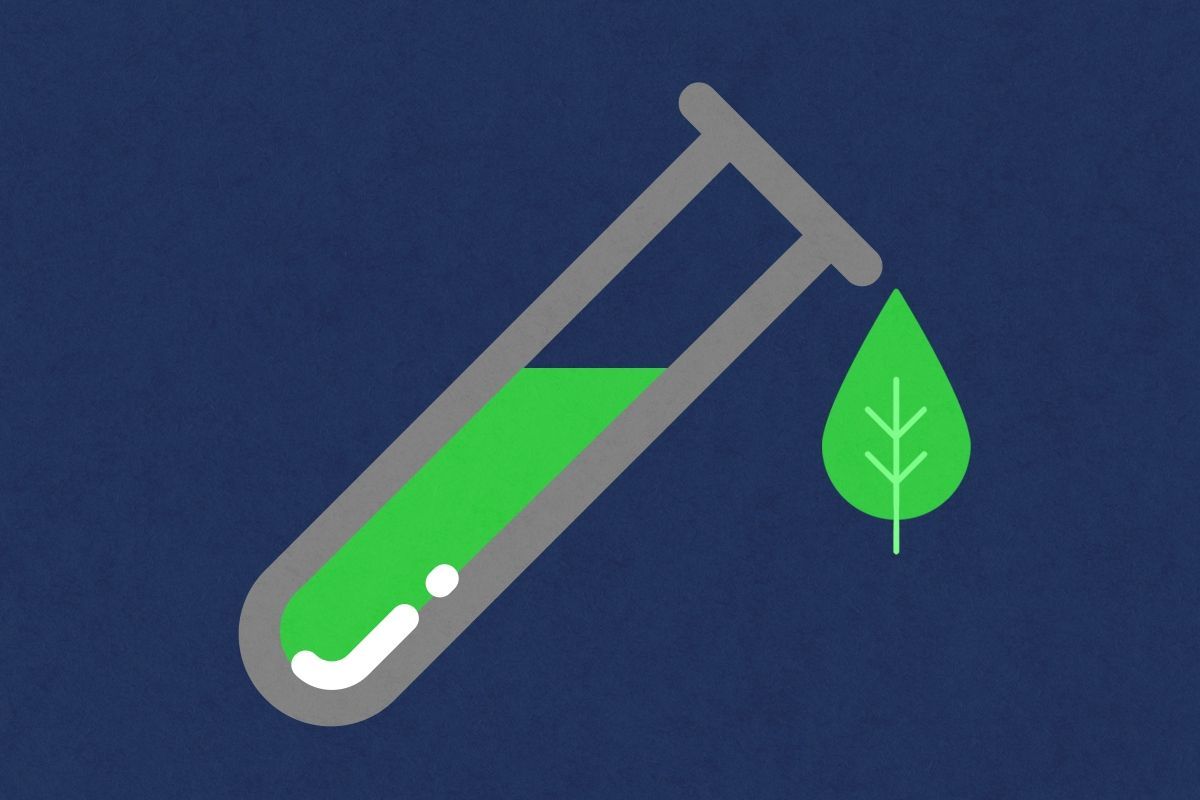
The chemicals industry, which accounts for about 5% of global emissions, can seem like a black box. Fossil fuel-based feedstocks go in and out pop plastic toys or agricultural fertilizer or laundry detergent. But most of us don’t understand what happens in between. That’s the part of the supply chain where Trillium Renewable Chemicals is focused, as it scales production of bio-based acrylonitrile, a key chemical intermediate used to make products ranging from carbon fiber aircraft components to plastic Lego bricks and rubber medical gloves.
Though you might not have heard of this mouthful of a chemical, acrylonitrile’s production is a major contributor to the embedded emissions of all the products that it goes into, as it’s typically derived from propylene, a byproduct of the oil and gas industry. “When you look at the lifecycle analysis of these products, the thing that jumps off the page is acrylonitrile dominates that lifecycle,” Trillium’s CEO, Corey Tyree, told me. “It is the number one challenge.”
The startup, which spun out of a Department of Energy-funded nonprofit called the Southern Research Institute, just announced a $13 million Series B round led by HS Hyosung Advanced Materials, alongside the completion of the world’s first demonstration plant for bio-based acrylonitrile. Tyree was determined, he told me, to ensure that the work did not remain just another “research project that goes in the research closet.”
He credits much of Trillium’s progress so far to an intense focus on commercialization and the risk-tolerance inherent to a startup. After all, the underlying concept itself isn’t new — a number of companies have experimented with making acrylonitrile from bio-based glycerol, Tryee told me. “But a lot of these tries happen inside of a large company, which is not as tolerant for risk,” he explained. With Trillium’s investors lined up behind the effort, however, “It doesn’t feel to any one person that if we’re wrong, our whole career is going to go up in flames.”
But there have been technical innovations too. Southern Research had to develop a proprietary catalyst and two-step thermochemical process that converts glycerol into an intermediate molecule and then acrylonitrile. Trillium now has an exclusive license to this process. Once produced, the low-carbon acrylonitrile functions as a simple drop-in replacement for the fossil-based version of the molecule; there's nothing at all different about the downstream supply chain.
Now, the startup is focused on commissioning its newly completed demonstration plant in Texas sometime this quarter, followed by initial shipments soon after. This new capital will also help Trillium conduct the engineering design for its first commercial facility, the potential location of which Tyree would not disclose.
Though glycerol is a relatively cost-effective feedstock, Trillium’s product will still command somewhat of a green-premium, though exactly how much this impacts the final cost of the end product depends on a variety of downstream factors. At the least, Tryee said his company ought to undercut existing green acrylonitrile on the market today, which is produced from low-carbon propylene.
Overall, It’s a promising sign that despite a political environment in which talking about climate is out and affordability is in, a company like Trillium — which depends on customers paying a bit more for a cleaner product — can still raise significant new funding. Political winds aside, Tyree said he’s seen sustained customer interest in cleaning up the chemicals supply chain; there just wasn’t a viable solution for this particular piece of it before now.
“It’s really just been people waiting on somebody to figure out a way to make the product,” he said, referring to low-carbon acrylonitrile“ Now that Trillium has done so, the next question is, who will its initial buyers be, and exactly how much more will they prove willing to pay?