0
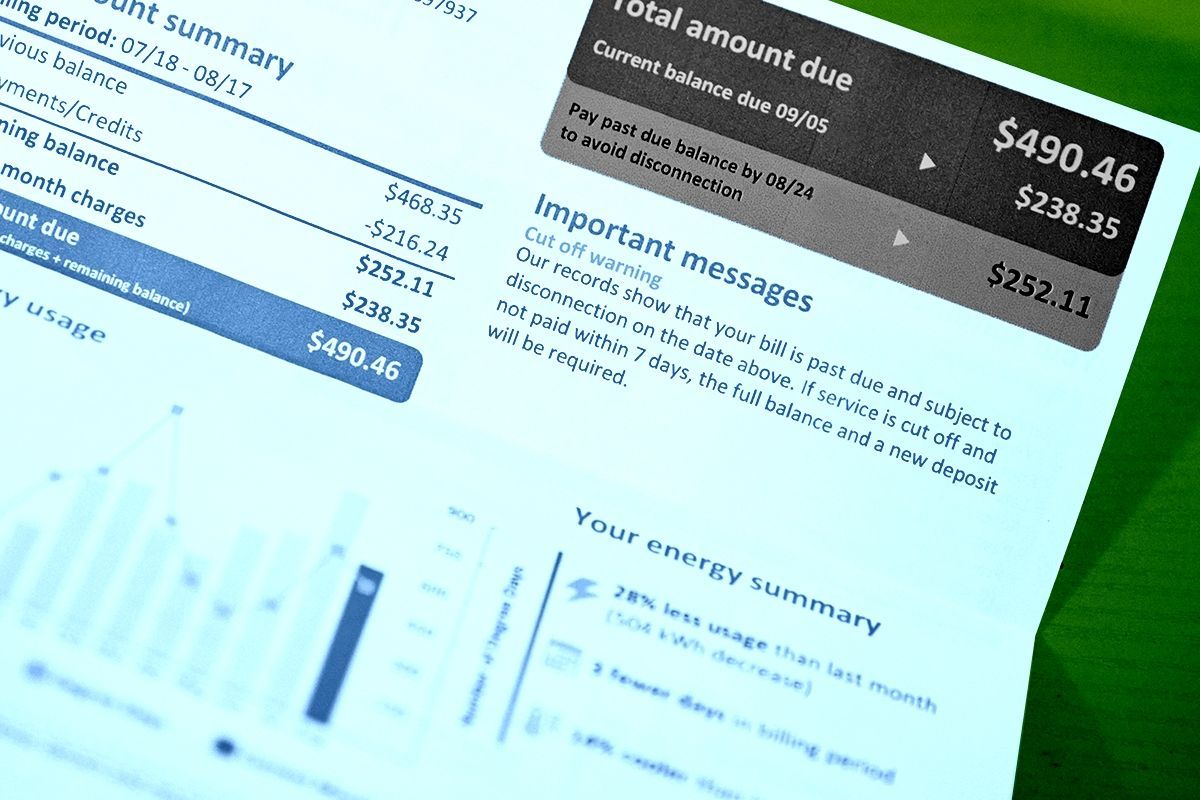
When you dig into the utility details in Heatmap and MIT’s new Electricity Price Hub dashboard, you’ll notice it contains a breakdown of ratepayer charges. Typically, generation — the actual cost of “making” the electricity, whether by coal, natural gas, or renewable sources — accounts for the heftiest chunk of the rate. Distribution, which covers the infrastructure that delivers electricity from a substation to your home via power lines, transformers, and meters, is usually the second-highest charge. Transmission, the in-between step that moves power across the grid, is often the smallest part of the bill because it’s spread out across so many customers.
Then there’s “other.”
As the name suggests, this is the “everything else” bucket for costs not directly tied to the generation, transmission, or distribution of electricity. It ranges from charges for taxes, regulatory fees, insurance, payroll, and pensions, to costs associated with transportation electrification or environmental programs. In 2025, the “other” category accounted for about 14.7% of the total rate across the 132 utilities in our dataset with complete cost breakdowns. (To read more about how the MIT team made its determinations, you can find an explanation of our methodology here.)
It’s tricky to draw conclusions from this category, largely due to the diversity of the programs it covers. A “Wildfire Mitigation Plan Cost Recovery Adjustment” charge for PacifiCorp in Oregon, for example, is divided between transmission and distribution costs because it funds the hardening of infrastructure; a “natural disaster reserve” by Alabama Power Co, on the other hand, acts as more of a buffer account for whatever extreme weather-related costs arise, and falls under “other.” Both are disaster-related charges, but because of the difference in purpose — the former with the intent of repairing distribution- and transmission-related infrastructure, the latter as a kind of unspecified rainy-day fund — they sit in different buckets in our dataset.
Often riders (which are extra charges outside of the base rate that often fluctuate over time to help recover costs) and adders (which are similar but typically have fixed rates) are counted in our dataset as distribution or transmission charges due to their role in paying for infrastructure repairs and upgrades. But that is also not always the case: PG&E collects a “Wildfire Fund Charge” rider to pay into the California Wildfire Fund, which is used to reimburse claims that arise from utility-caused wildfires. Adders may also be tacked on to support renewable energy programs, which would also fall in the “other” category.
What we can say for sure is that while “other” might be a small portion of most bills, it’s also fast-growing: Since the beginning of 2021, “other” has grown an average of 41% across utilities with complete data in our hub — more than generation (24%), transmission (29%), or distribution (32%). This suggests that one major factor driving up electricity rates is the way that public policy costs and programs have been shifted into the base rate. The “other” category, for example, also includes charges related to programs that grew out of the Inflation Reduction Act, including energy-efficiency programs, the buildout of EV charging infrastructure, and low-income assistance programs. In the case of steep numbers in some disaster-prone states, it might also cover insurance costs.
Another way of looking at the “other” category, then, is as a rough approximation of the additional work utilities are taking on beyond the traditional delivery of electricity to their customers — whether that’s by statute, or entails popular efficiency upgrades such as advanced metering infrastructure or expanding into broadband deployment. The ballooning category also represents a win for consumer advocates, who’ve pushed for increased transparency in rates, though line-item charges may also draw extra scrutiny. At the same time, the “other” category may offer up opportunities for policymakers to review such charges and, perhaps, pull out those that are better managed by a state budget, in the name of affordability.
Again, because this category constitutes a broad spectrum of charges that don’t directly relate to the production and distribution of electricity, the “other” category can be difficult to parse. But as you explore the hub, it’s good to keep in mind that generation, transmission, and distribution are only one part of the story.