GLOBALVARS
TEST TEST TEST
0
Products
This is Heatmap Daily, a weekday digest written by our executive editor. Subscribe here.
I’m still wrapping my head around the size and scale of the Democratic victory on Tuesday. I suspect Wall Street is, too. Yesterday, the S&P 500 gained about 1.6% as investors saw an upside in the Democratic blow-out. Today, they lost their nerve: The S&P fell almost 4.4%, and the tech-focused Nasdaq slid by more than 5%. That AI-loaded index is now down more than 10% from its all-time high in October, which means it’s technically entered a “correction.” (If it drops by 20%, it’ll be in a bear market.)
Amid the market carnage, utilities have held out alright. The Vanguard utilities index fell by less than one percent today, and two of the country’s biggest vertically integrated electricity monopolies — Duke and Southern Company — actually gained ground. Other power companies — including Xcel Energy, which serves the Midwest and Dominion Energy in the Southeast — did okay as well.
I find that surprising, because utilities strike me as one of the biggest losers of Tuesday’s election.
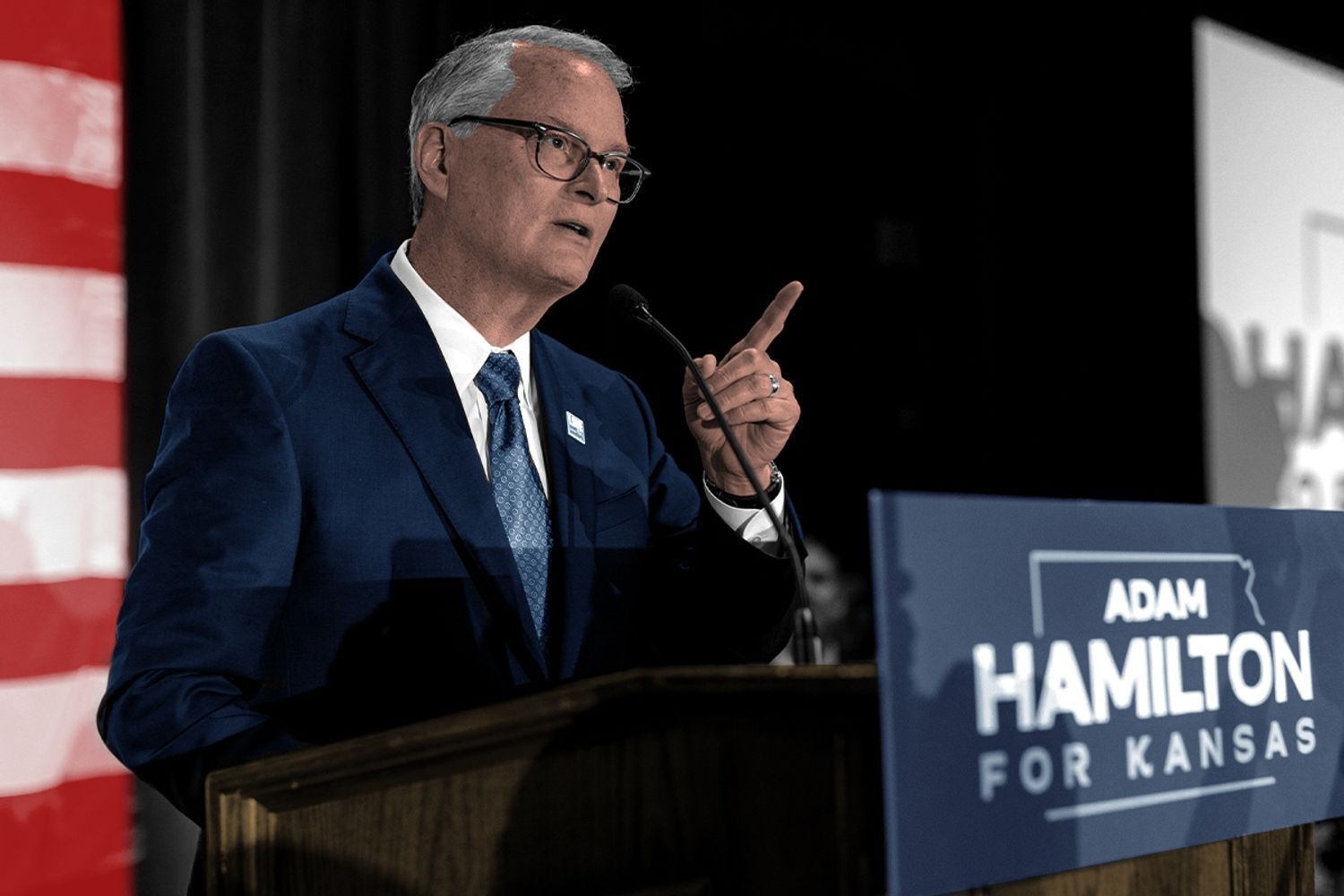
That’s partly because utilities showed up in surprisingly specific ways in candidate policy proposals this cycle. Last night, I wrote about how Senate Democratic candidates took a fairly moderate tack on climate and energy policy this year. What I didn’t mention is that Adam Hamilton, Kansas’ newly elected Democratic senator, called out utilities specifically in his proposal for major new transmission. One of his four big energy policy proposals is as follows:
Require competitive bidding processes for transmission projects instead of handing utility companies lucrative contracts at taxpayer expense. When a nearly half-billion-dollar transmission project is handed to a single utility with no competitive bidding, Kansas ratepayers can end up paying far more than they should. Competitive bidding has been shown to cut these costs by twenty to thirty percent. Politicians on both sides of the aisle should speak out against harmful policies that avoid competitive bidding, like the $493 million project that was handed to Evergy.
I mean, sounds great to me, but transmission policy does not normally rank among Democrats’ biggest applause lines. Hamilton’s other energy ideas are far more conventional, including ending Trump’s tariffs, his war on domestic energy projects, and restoring the clean energy tax credits.
Hamilton wasn’t alone in targeting utilities. David Pomerantz, who leads the watchdogging Energy and Policy Institute, has a great blog post today looking at utility politics in the 2026 election. He argues that we’re about to see utilities endure a much tougher oversight regime than they’ve faced in decades.
Why? There was much more attention on public utility regulators in this election than there have been in previous ones, he argues. Historically, public utility commission appointments have been sleepy affairs. But “incoming new governors Amy Acton (Ohio), Jocelyn Benson (Michigan), David Crowley (Wisconsin), Aaron Ford (Nevada), and Hannah Pingree (Maine) all campaigned overtly on a promise to appoint commissioners who would put ratepayers first,” he writes. In a few of those gubernatorial races, the losing Republican candidate had also promised to fire or replace the existing utility commissioners.
It goes beyond just oversight. The incoming governors in Pennsylvania, Iowa, and Maine have all vowed to reform or lower utility profits. Democrats won a majority on Georgia’s public utility commission — and flipped two seats in Arizona’s five-person board — promising to look closely at the utility profit structure, too.
In one state, voters even directly intervened to limit utility action. Michigan’s Proposition 2, which bars regulated utilities from making campaign contributions, passed overwhelmingly with more than 80% of the vote (although it now faces a legal challenge). And more than 100 politicians, including the winning Benson, pledged not to take utility campaign contributions.
Anyway, it’s an interesting post. You might remember I spoke to David last week for Shift Key about how the bipartisan permitting legislation would weaken monopoly utilities. As my colleagues Jael Holzman and Emily Pontecorvo wrote yesterday, Democrats and Republicans are now negotiating a top-down amendment to that permitting package. We’ll soon learn if the new version — which could come out any time in the next two weeks — preserves the same tough-on-utilities provisions that Dave praised.