GLOBALVARS
TEST TEST TEST
0
Products
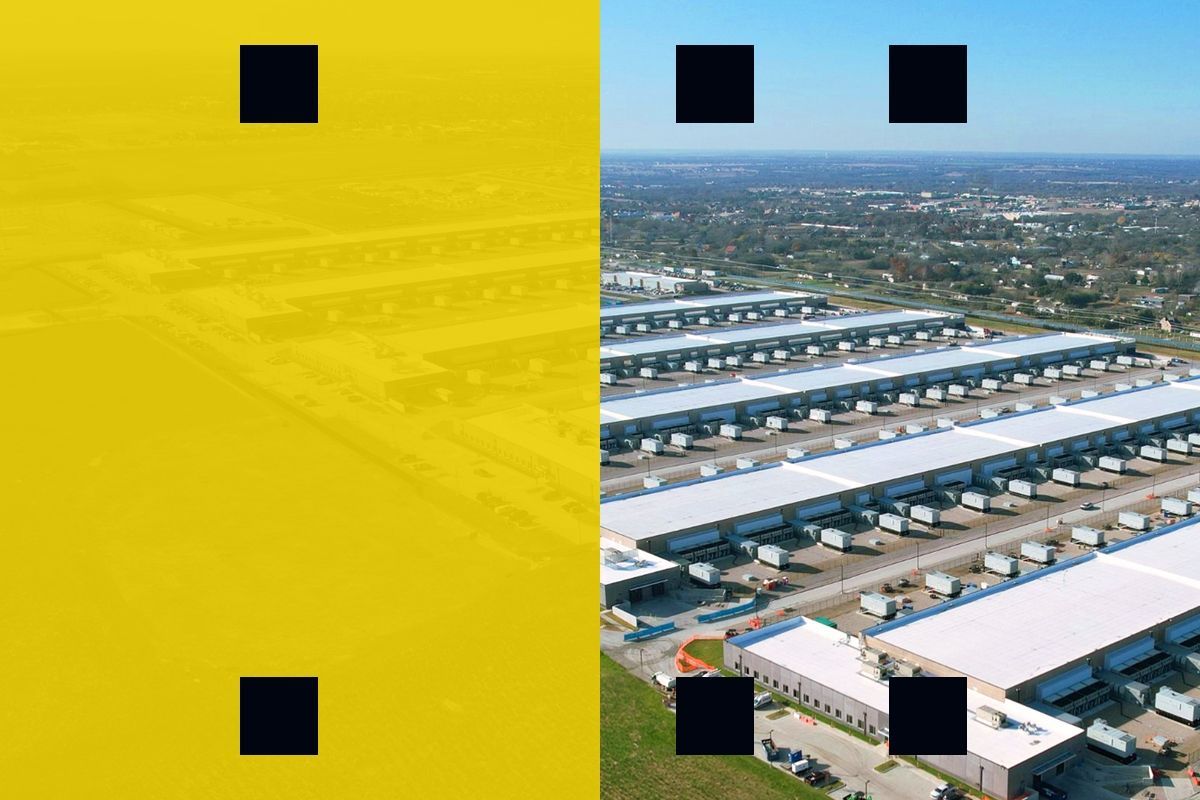
By the time a community learns about a data center, many of the biggest decisions about the project may already be in motion. Developers may have identified a site, begun planning for power and infrastructure, and made key decisions before residents have a meaningful chance to weigh in. So how much say do communities really have — and how much responsibility should fall on them to negotiate a good deal?
In this episode of Load Bearing, host Allison Clements talks with Chris Crosby, CEO of Compass Datacenters, about what happens behind the scenes before a data center comes to town. They debate what communities should be able to expect from developers, who should bear the costs of new infrastructure, and whether trust can be earned in an industry facing growing public skepticism. They also examine speculative development and the risks of planning for electricity demand that may never materialize.
Load Bearing is produced by Heatmap News and hosted by Allison Clements, a former commissioner of the Federal Energy Regulatory Commission.
Subscribe to “Load Bearing” and find this episode on Apple Podcasts, Spotify, Amazon, or wherever you get your podcasts.
You can also add the show’s RSS feed to your podcast app to follow us directly.
Here’s an excerpt of the conversation:
Allison Clements: So walk us through from Compass's perspective, the initial stages of building a data center from the land development to the going vertical. And that is kind of all the steps that you guys are thinking about as you come to a potential site or you're looking for a potential site.
Chris Crosby: Yeah. So our land team will go out, they work closely with utility companies and then working in those communities to try to find the right mix of where you can have power as well as you can have a community that is interested in having a data center or potentially interested in having a data center. In the current world, that then turns into a bunch of education type of sessions to make sure that that community would like you to be there while simultaneously you're doing your due diligence of can you actually put a data center in this location. So that has accelerated in the modern world or in today's world. That's quite different than it used to be where you would do all of the due diligence thing, make sure you have the site. And then talk about the education of things.
Allison Clements: Yeah. Did you think about it back then in the good old days when, you know, you came in with your black art box as you described it? Could you imagine kind of where we have come today related to community engagement development?
Chris Crosby: Yes, we knew it was coming, but the velocity we could not have anticipated, right? The way how every single legitimate local concern exists. Got propagandized to be the same everywhere. Everything that could have gone wrong in any one community was every community. And so that was really fascinating how quickly that came. And that was due to social media, my clients, right? So, you know, it was fascinating to see how fast it came. So, you know, it hit our industry fast and we were flat-footed on it.
You can find a full transcript of the episode here.
Mentioned:
Compass's Community-First Developer Checklist
EPRI's DCFlex Oscillations research
National Lab of the Rockies Agora Large-Load Test Bed
--
Load Bearing is sponsored by...
ON.energy makes AI factories grid safe. Its patented medium-voltage AI UPS™ protects data centers from power disturbances and protects the grid and on-site generation from rapid AI load swings. Validated at a U.S. Department of Energy national laboratory, ON.energy has more than 3 GW under construction. Founded in 2016, the company is headquartered in Miami, Florida. Learn more at https://www.on.energy.
Music by Adam Rubenstein