
0
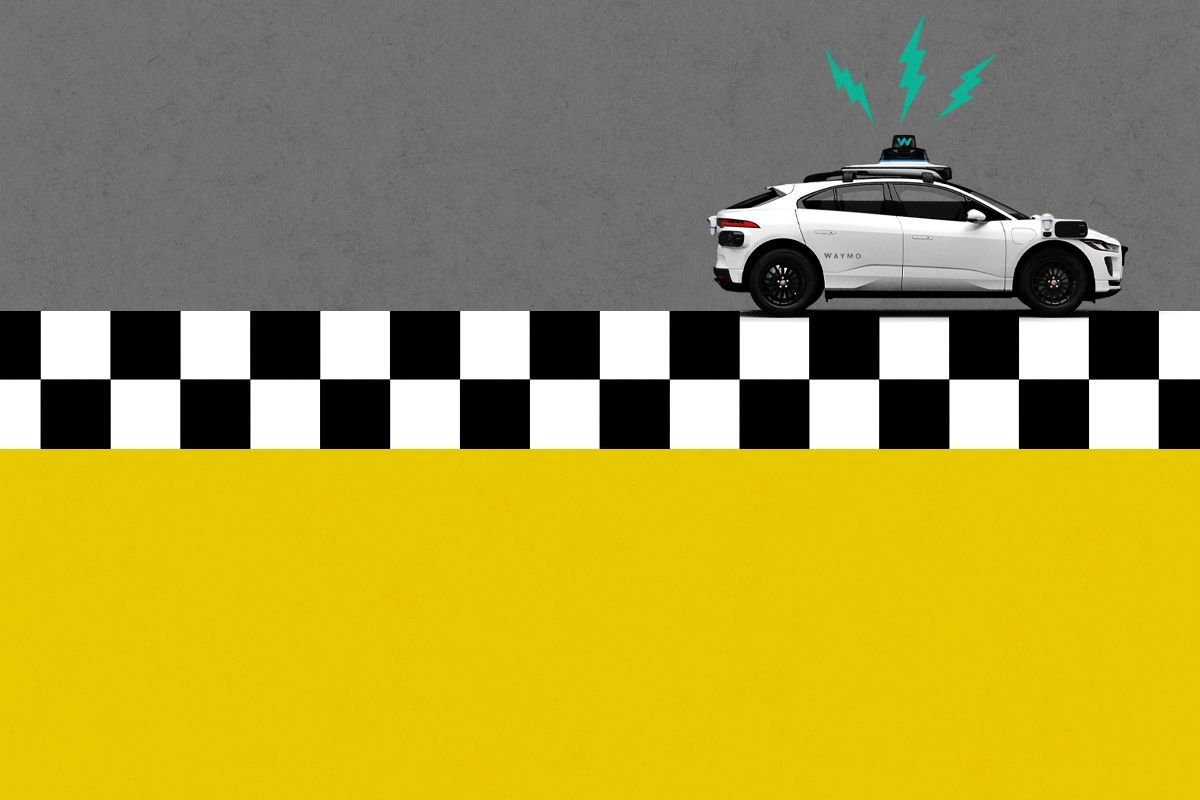
Here in Los Angeles, the hot new thing in parenting is Waymo. One recent article argued that driverless electric vehicles have become the go-to solution for overscheduled parents who can’t be everywhere at once. No time to drive the kid to school dropoff or to practice? Hire a rideshare, preferably one without a potentially problematic human driver.
Perhaps it’s fitting that younger Americans, especially, are encountering electric cars in this way. Over the past few years, plenty of headlines have declared that teens and young adults have fallen out of love with the automobile; they’re not getting their driver’s licenses until later, if at all, and supposedly aren’t particularly keen on car ownership compared to their parents and grandparents. Getting around in a country built for the automobile leaves them more reliant on the rideshare industry — which, it so happens, is a place where the technological trends of electric and autonomous vehicles are rapidly converging.
This isn’t the way most people, myself included, talk about the EV revolution. That discourse typically runs through the familiar lens of our personal vehicles — which, it should be noted, Americans still lease or buy in the millions. In that light, EVs are struggling. Since buyers raced to scoop up electric cars in September before the federal tax credit lapsed, sales have slowed. Automakers have canceled or delayed numerous models and pivoted back to combustion engines or hybrids in response to the hostile Trump-era environment for selling EVs. While the world has carried on with electrification, America has backslid.
While all this was happening, however, the rideshare industry was accelerating in the opposite direction. Waymo’s fleet of autonomous vehicles is all-electric, currently made up of Jaguar I-Pace SUVs. Uber just invested more than $1 billion in Rivian as part of a plan to add thousands of the brand’s new R2 EVs to its fleet of electric robotaxis. Tesla’s moves are particularly telling. Elon Musk is still selling plenty of normal, human-driven Model Y and Model 3 EVs to make some money for the moment, but the company’s future prospects are all-in on the Cybercab, a two-seater robotaxi that would never be driven by a person. Who’d buy such a thing? Rideshare companies — or, perhaps, people see the Cybercab as a passive income machine that shuttles their neighbors around town whenever they’re not riding in it.
Human-driven rideshare fleets are quickly electrifying, too. Uber now allows riders to request an EV explicitly, an option that has been growing in popularity, especially as rising gas prices make electric rides more appealing. The company has been offering thousands of dollars of incentives to drivers who want to buy an EV, a program that expanded nationwide this month. EV-maker Fisker went bankrupt and folded, but its orphaned Ocean vehicles are roaming New York City as rideshare cars. Sara Rafalson of the charging company EVgo recently told me that rideshare already accounts for a quarter of the energy it distributes.
Yes, gasoline carries certain advantages for a taxi service — a gas-burning cab can drive all night with just momentary refueling stops, for example, whereas an EV must go out of commission during its occasional charging stops. Nevertheless, it’s clear that the rideshare industry is going electric.
That isn’t just because EVs have a futuristic vibe. There are technological reasons, too. Tesla and Rivian have designed their vehicles to be effectively smartphones on wheels, which makes them ideally suited for robotaxis. EVs have plenty of battery power on hand to meet all the computational demands of self-driving. Plus, electric power is particularly efficient for stop-and-go urban driving.
On the EV side, the business case for electric robotaxis is particularly compelling. One reason electric cars have struggled with everyday Americans is that it’s more difficult for an individual to stomach the higher upfront cost of an EV to enjoy its longer-term rewards. That’s less true for a business, whose accountants know EVs mean less long-term maintenance.
In the case of the rideshare economy, EVs are becoming the clear choice even though they’re owned by individual drivers. While the EV purchasing tax credit is gone for individuals, drivers can get financial help from a company like Uber to purchase an EV, which allows them to insulate themselves from the volatility of gas prices and reduce their regular maintenance schedule. They can also charge strategically around their taxi trips; robotaxi fleets often concentrate their recharging to the overnight hours when electricity is cheapest.
There is plenty of evidence that the “Gen Z doesn’t want to own cars” narrative is as reductive and oversimplified as you’d think. Younger generations are interested in cars — and in electric cars, in particular — but they’re often put off by the soaring costs of owning and maintaining a vehicle. As EV prices continue to fall, you can expect EV adoption to accelerate among Gen Z and millennial drivers.
In the meantime, those folks don’t have to buy an EV to join the EV age. It’s getting more and more likely that the car that drives you to the airport will be an EV — and more likely that riders will opt for electric if given the choice.