
0
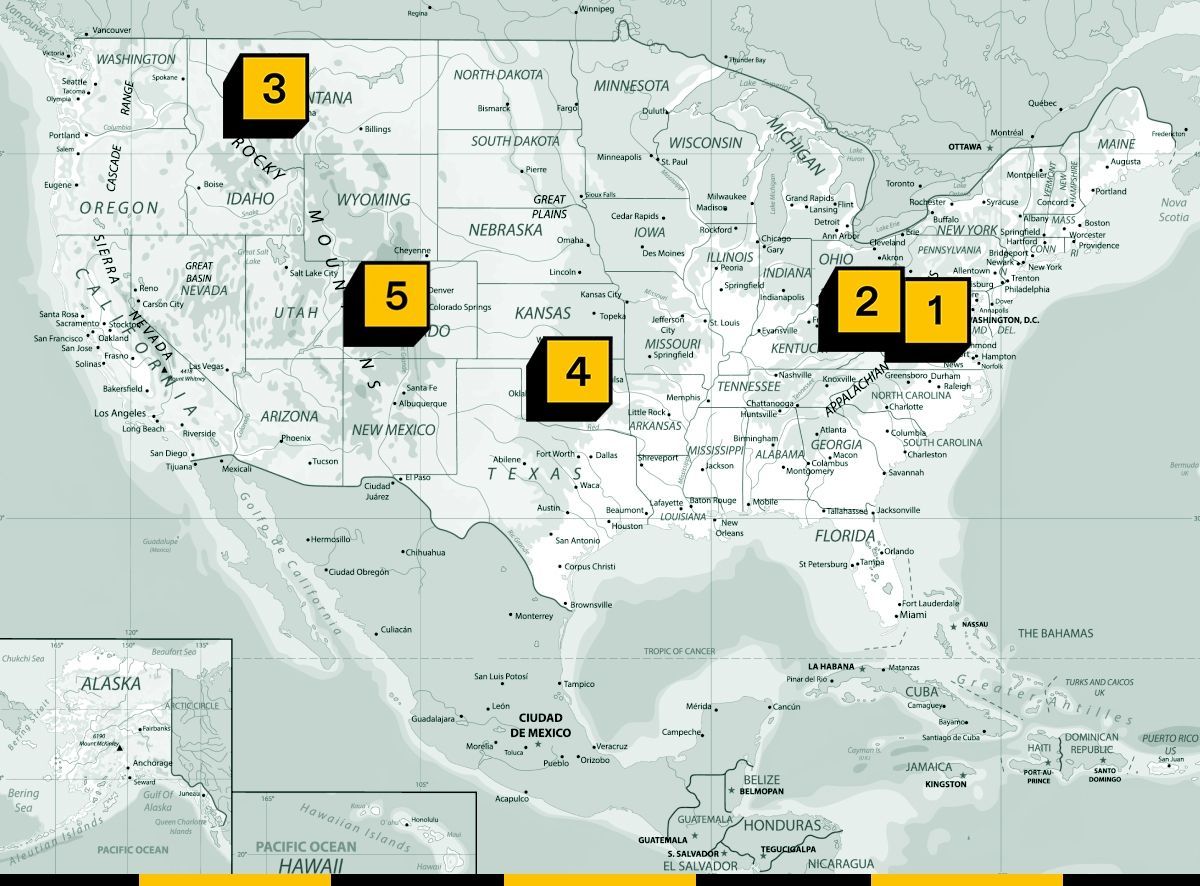
Botetourt County, Virginia – Google has released its water use plans for a major data center in Virginia after a local news outlet argued regulators couldn’t withhold that information under public records laws.
- Google’s planned data center campus in Botetourt County has been wrapped in secrecy. Many details about the project have been exposed by the Roanoke Rambler, a local investigative media publication founded by Henri Gendreau, who has previously contributed to Wired, Bloomberg News, and other media outlets.
- The Rambler sued the Western Virginia Water Authority, a quasi-public water regulator, to compel it to disclose how much water the data center complex planned to use. After a protracted legal battle, the authority released Google’s water contracts, confirming it would use 2 million gallons of water per day. That’s almost 10 times the amount used by the authority’s largest water customer, a Coca-Cola plant. The amount would increase to 8 million gallons daily if the data center campus expands.
- Per the Rambler, this records release is the first time a data center deal has been ruled subject to public records requests in Virginia, i.e. exempt from trade secret protections. It could have sweeping implications for future efforts to hold data center developers accountable for their environmental impacts.
Montana – Ladies, gentlemen, and everyone in between, we have a freshly dead wind farm.
- NextEra pulled the plug on the Glendive wind farm across McCone, Prairie, and Dawson counties in Montana this week after failing to secure customer agreements for the electricity it would produce. The energy giant clarified to local media the project was not impeded by any federal legislation (such as the repeal of tax credits). But it’s noteworthy a wind farm out in this part of the country failed to get any buyers.
- Glendive’s nosedive happens amidst a broader pushback from locals. It used to be that property rights reigned supreme out here, similar to the Dakotas and Wyoming, and so far there are only five wind projects in our opposition database. Yet restrictive ordinances have cropped up at the county level within the past few months, including in the counties where Glendive was proposed.
Oklahoma County, Oklahoma – A huge rally is scheduled in Oklahoma City this weekend in support of ending wind and solar farm construction in the state.
- The March 7 rally, entitled “Protect Our Land: No Green Scam,” includes the president of CFACT, a conservative organization we’ve covered closely that is on the front lines of the battle to quash renewable energy permits. The event also features prominent voices I’ve covered before, like State Representative Jim Shaw and activist Saundra Traywick.
- Curiously, the logo for the Oil & Gas Workers Association is on the event flyer. OGWA is headquartered in Texas and is an advocacy group dead set on slowing the decline in oil and gas jobs from the energy transition.
Mingo County, West Virginia – Coal country is rebelling against data centers.
- Per local media, a closed door meeting between TransGas Development Systems and local elected officials was interrupted by residents protesting the construction of a new data center that would have its own power plant and access to water typically used for mines.
- Residents have also filed a federal lawsuit to block construction of the TransGas data center campus, one of the first federal cases against a single data center I’ve ever seen. That case is still pending.
- Mingo County is one of the nation’s most historic coal mining areas and demonstrates how painful the fuel’s decline has been for regions previously reliant on mining the black rock. This is also a county with a higher risk of opposing data centers than renewable energy, according to Heatmap Pro’s database, a characteristic likely defined by an older population more accustomed to energy development than technology infrastructure.
Mesa County, Colorado – This county’s government is implementing a new legal standard for energy storage – and it is causing problems.
- At issue is Mesa County’s attorney’s implementation of existing fire code, which is stirring up angst amongst anti-battery activists on social media who claim – without clear evidence – that it wouldn’t be protective enough. They’re organizing to oppose current fire protection standards at a county commission on March 10 that I’ll be watching closely.
- Part of the local push against battery (and solar) has been driven by an outgrowth of Mesa County Concerned Residents, an ad hoc local organization also organizing rallies against the incarceration of ex-county clerk Tina Peters on election data tampering charges related to the 2020 Stop the Steal campaign.