GLOBALVARS
TEST TEST TEST
0
Products
Current conditions: For the first time, Miami’s king tide — a periodic exceptionally high tide brought by on astronomical alignment — crossed the threshold for “major” flooding without a hurricane, notching the highest level in 11 years • America’s Northern Mariana Islands are hunkering down as Typhoon In-Fa is set to brush past its northern reaches • India has evacuated tens of thousands from its eastern coast as Tropical Cyclone Arnab makes landfall.
THE TOP FIVE
1. Israel’s nail-biter election could bring a former long-duration storage startup exec to power

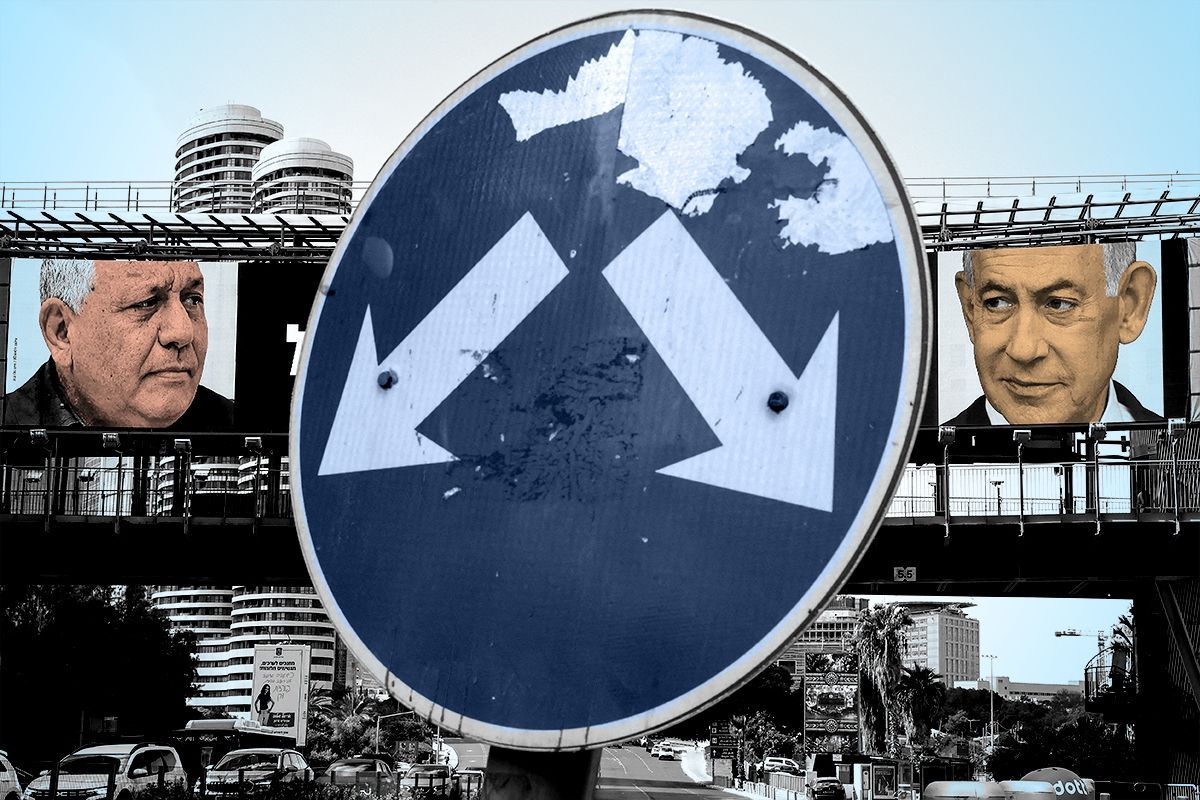
Israelis voted in record numbers Tuesday in the first election held since the October 2023 attacks by Hamas, which ignited the ongoing multifront conflict been Israel and militias in Gaza and southern Lebanon. While Prime Minister Benjamin Netanyahu’s conservative Likud party looked projected to win the most seats in the Knesset, the opposition coalition led by centrist former military chief of staff Gadi Eisenkot appeared positioned as of Wednesday morning New York time to form an alliance that holds at least 61 of the parliament’s 120 seats — if anyone can broker a governing bloc at all. What that means for energy and climate policy in the Jewish State remains even less clear than what kind of government may form out of the election results. Eisenkot ran on cost of living, democracy, and holding Netanyahu accountable for the October 7 disaster. In 2021, he became chairman of StorageDrop, a long-duration energy storage startup based just south of Tel Aviv. At the time, he said dealing with climate change and creating green alternatives to fossil fuels was “of great importance,” and that Israel should “be at the forefront of the global effort in this field.”
Netanyahu has also supported renewables, which grew to 16% of Israel’s electricity share last year. In May, his government set a target of a more than threefold increase in renewables in the next decade. Just last week, as you may recall, the Ministry of Energy and Infrastructure put out a new plan to invest more into fusion. But his signature policy has been brokering an historic $35 million deal to drill gas offshore in the Mediterranean to sell the fuel to Egypt. While Israel has pledged to cut its economy-wide emissions 27% below 2015 levels, the State Comptroller, an independent watchdog within the government, warned in June that the country’s failure to pass a law enforcing the reductions meant it had, according to The Jerusalem Post, “still not built a functioning national system to prepare for climate change.”
2. Trump is gutting methane rules on oil and gas
President Donald Trump plans to loosen a Biden-era regulation requiring oil and gas drillers to cut emissions of methane. Speaking at a campaign rally for Texas Republican Senate hopeful Ken Paxton, Trump said he’s “officially terminating Biden’s expensive and unnecessary methane regulations to save consumers and energy producers $45 billion in costs.” The move aims to spur more gas production at a moment when, as we saw from the megamerger this week set to create the nation’s biggest gas producer, the industry is consolidating. But it comes as methane emissions in the U.S. oil and gas sector are actually flattening, despite growing production. Earlier this month, as I reported, a study by Johns Hopkins University found that “companies have built more infrastructure needed to better capture methane” and “transport it for sale as a fuel, providing a financial incentive to limit the amount escaping into the atmosphere.” But the researchers cautioned that “oil and gas production is still a large percentage of U.S. methane emissions, and we do not find any evidence that a flurry of federal legislation had an impact on emissions.”
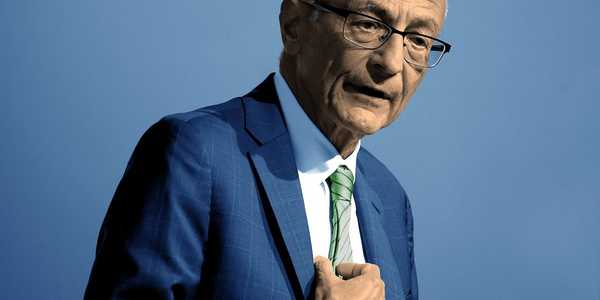
Meanwhile, the former Biden senior climate advisor, John Podesta, has warned that passing the permitting reform bill as is could hand Trump “a loaded Howitzer,” my colleague Jael Holzman reported yesterday.
3. Energy Department puts up $5 billion for another 1.1 gigawatts in nuclear uprates
If you can’t buy an as-yet-unbuilt small modular reactor, you go for an existing large-scale technology like the Westinghouse AP1000 or the Canadian CANDU. If you can’t line up the financing for a whole new nuclear megaproject, you squeeze a little more juice out of the reactors you already have. That’s why Amazon and Google inked deals earlier this month with Constellation, the nation’s largest operator of nuclear plants, which estimates it can generate nearly 1.1 gigawatts of new power simply from “uprating” its existing plants. At the time, I called it “big tech’s nuclear hedge.” The Department of Energy is backing the bet. On Tuesday, the Office of Energy Dominance Financing announced a $5 billion loan to support the uprates. “These investments will add more reliable baseload power to the grid, help lower electricity costs, strengthen our nation’s energy security, and fuel long-term American prosperity,” EDF Director Gregory Beard said in a statement.
The U.S. is on track to rise from about 101 gigawatts of nuclear today to 111 gigawatts in 2040 and 132 gigawatts in 2050, according to Wood Mackenzie forecasts. Behind-the-meter plants, particularly for data centers, could add another 11 gigawatts in 2040 and 19 gigawatts in 2050. “If the US government, under the current administration or another pro-nuclear administration in the future, wants to accelerate the pace of that growth, building capacity in the workforce and supply chain should be an urgent priority,” Ed Crooks, Wood Mackenize’s vice chair of the Americas, wrote in a blog post.
Sign up to receive Heatmap AM in your inbox every morning:
Email Address *Our Privacy Policy & Terms Apply.
4. Three tankers full of Russian diesel are en route to the U.S.
Trump’s deal to import Russian diesel has largely been discussed for its for its potential to ease prices on the global market. But 140,000 metric tons of Russian fuel is now headed for the U.S. market. The fuel will arrive in three tankers, including one blacklisted by U.S. authorities and another by the European Union, according to the Financial Times. The shipments are the first licensed by the U.S. since Trump’s recent deal with President Vladimir Putin to exempt Russian diesel from sanctions. The goal is to achieve a perceptible reduction in costs ahead of next week’s midterm election, in which energy prices have been a major factor.
5. British insurance analysts say they’re pressured to downplay climate risks
Insurance is often described as the canary in the coal mine for climate change as the industry is expected to raise prices on assets increasingly under threat from extreme weather. But the analysts tasked with assessing risk are facing pressure to downplay climate dangers in their models to help cut the price of coverage and make it easier for brokers and underwriters to sell more policies. That’s according to five whistleblowers’ testimony to the Financial Times. The United Kingdom’s Financial Conduct Authority told the newspaper the allegations were “exceptionally serious” and could amount to significant breaches of financial and prudential regulation. “Every single person I work with all say the same thing — that we shouldn’t be altering the numbers for these accounts in the way we do,” one whistleblower said.
THE KICKER
The deadliest conflict of the 21st century is restarting in Ethiopia’s war-torn north. But in the country’s fast-industrialized capital, business is booming. Addis Ababa’s “Made in Ethiopia” initiative has spurred a manufacturing boom of 1,115 factories. As of last year, TOYO, a major U.S.-Japanese solar manufacturer, has capacity to produce 2 gigawatts of solar cells at its Ethiopian factory. Officially inaugurated last year, the Grand Ethiopian Renaissance Dam added more than 5 gigawatts of power to the grid. A new International Energy Agency report highlights how far the country has come — and how far it has yet to go. Just 12% of the country had electricity access in the early 2000s. By 2024, that figure hit 35%. But around 85 million Ethiopians remain without steady access to power. The country has a target of 75% access by 2030 and universal access by 2035. That, the IEA said, “will require continued grid expansion, greater deployment of off-grid solutions, and measures to make connections more affordable.”