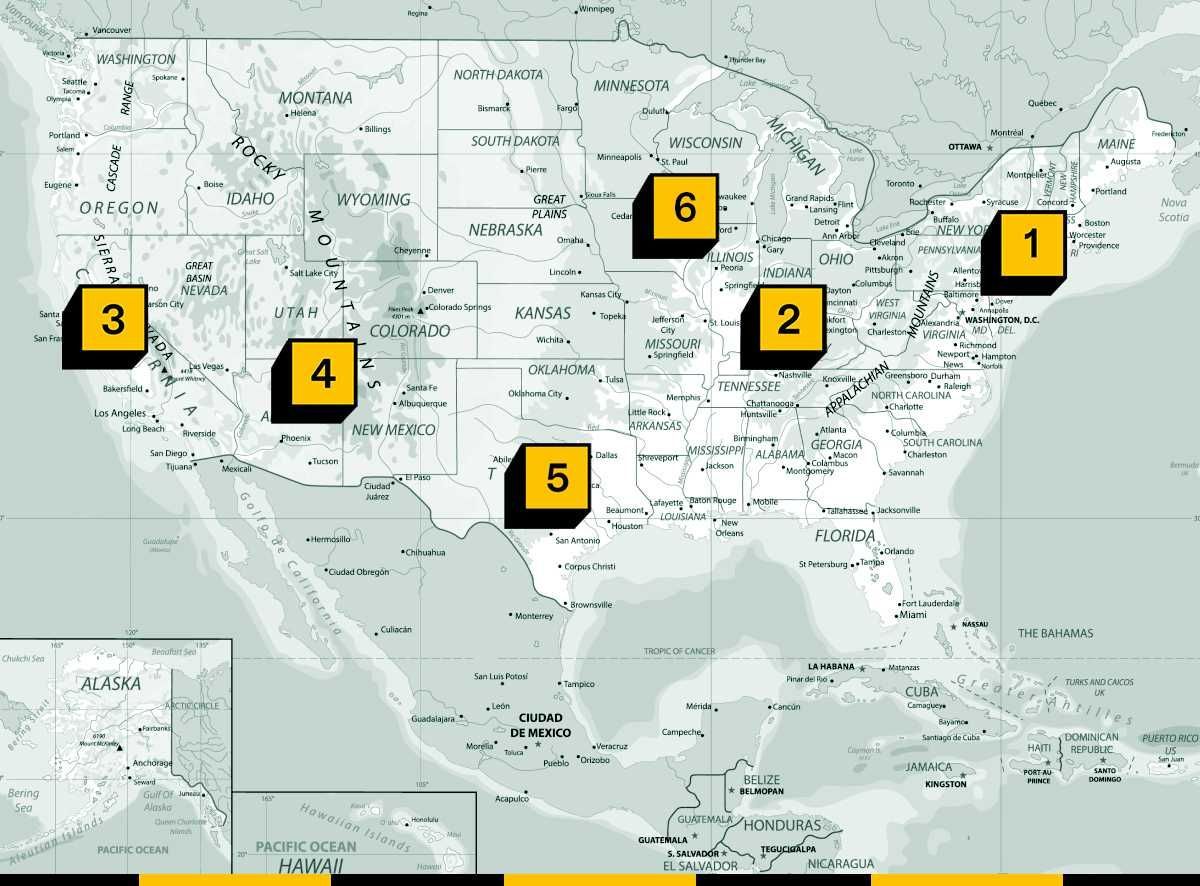
1. Staten Island, New York – New York’s largest battery project, Swiftsure, is dead after fervent opposition from locals in what would’ve been its host community, Staten Island.
- Earlier this week I broke the news that Swiftsure’s application for permission to build was withdrawn quietly earlier this year amid opposition from GOP mayoral candidate Curtis Sliwa and other local politicians.
- Swiftsure was permitted by the state last year and given a deadline of this spring to submit paperwork demonstrating compliance with the permit conditions. The papers never came, and local officials including Sliwa called on New York regulators to reject any attempt by the developer to get more time. In August, the New York Department of Public Service gave the developer until October 11 to do so – but it withdrew Swiftsure’s application instead.
- Since I broke the story, storage developer Fullmark – formerly Hecate Grid – has gone out of its way to distance itself from the now-defunct project.
- At the time of publication, Swiftsure’s website stated that the project was being developed by Hecate Grid, a spin-off of Hecate Energy that renamed itself to Fullmark earlier this year.
- In a statement sent to me after the story’s publication, a media representative for Fullmark claimed that the company actually withdrew from the project in late 2022, and that it was instead being managed by Hecate Energy. This information about Fullmark stepping away from the project was not previously public.
- After I pointed Fullmark’s representatives to the Swiftsure website, the link went dead and the webpage now simply says “access denied.” Fullmark’s representatives did not answer my questions about why, up until the day my story broke, the project’s website said Hecate Grid was developing the project.
2. Barren County, Kentucky – Do you remember Wood Duck, the solar farm being fought by the National Park Service? Geenex, the solar developer, claims the Park Service has actually given it the all-clear.
- In previously unreported testimony submitted to the Kentucky Public Services Commission, Geenex stated that project representatives met in June with staff at Mammoth Cave National Park who had submitted a complaint to the commission about Wood Duck. The park staff said the soil drainage from the solar farm would threaten Kentucky cave shrimp, a federally endangered species.
- Geenex told the commission that in the meeting, “NPS staff opined that development of the proposed Project would not negatively impact the Mammoth Cave watershed or Kentucky Cave Shrimp.” Geenex also said that the company received a “review letter” from planning officials at Fish and Wildlife Service determining Wood Duck would “have no effect” on “listed species.”
- A final decision from the PSC on Wood Duck is expected later this year. The NPS is not answering requests for comment due to the government shutdown.
3. Near Moss Landing, California – Two different communities near the now-infamous Moss Landing battery site are pressing for more restrictions on storage projects.
- Vacaville, a small city in Solano County east of Moss Landing, is moving to codify local restrictions on future battery storage projects. It’s doing so after county officials allowed a battery storage siting moratorium to lapse, and as NextEra Energy pursues state approval to build a facility just outside the city limits.
- At the same time, Watsonville – a farming community north of Moss Landing – is pressing storage developer New Leaf Energy to engage more with concerned residents protesting a new battery storage project over their fears that a repeat fire disaster could happen with their project, too.
- In an October 28 letter to the Santa Cruz County Board of Supervisors, city officials said the “lack of communication and proactive coordination to date has hindered our ability to support concerned citizens, who, following the January 2025 fire at the Moss Landing Facility, continue to expect answers from all of us.” They requested a “careful review” of the New Leaf Energy project, and for potential new “energy storage regulations” rooted in an “evidence-based approach.”
4. Navajo County, Arizona – If good news is what you’re seeking, this Arizona county just approved a large solar project, indicating this state still has sunny prospects for utility-scale development depending on where you go.
- The KKR-backed Stellar Red Hills Solar project won support from the Navajo County board of supervisors, despite a solid number of local groans, because officials concluded it was more important to respect the property rights of the individuals making their land available for the project.
- The project will now need approval from the Arizona Corporation Commission before it can be constructed.
5. Gillespie County, Texas – Meanwhile out in Texas, this county is getting aggressive in its attempts to kill a battery storage project.
- As we’ve previously covered, this county is up in arms over a large battery storage project proposed by Peregrine Energy Storage, and the fight’s become so intense that opponents on the ground have won support from Texas attorney general candidate and Republican Representative Chip Roy.
- Well, now attorneys for the county are getting involved: An October 24 letter posted to the county’s website shows Sara Neel, a county attorney, asking for documents about floodplain ordinance compliance and the project’s ability to meet the most recent National Fire Protection Association’s battery safety code. The letter has not previously been reported.
- In case the intentions behind this letter weren’t clear, the letter is posted on the county’s website beneath a resolution adopted by county commissioners opposing the storage project’s construction. To me, at least, it seems like the county is trying to tie up the project in red tape.
6. Clinton County, Iowa – This county just extended its moratorium on wind development until at least the end of the year as it drafts a restrictive ordinance.
- There’s no end in sight for drafting this ordinance, as residents recently submitted hundreds of fresh petition signatures in support of onerous home setback requirements for wind turbines and additional protections for wildlife, among many other concerns. All that’s known so far is more hearings will come in November and December on the ordinance in progress.
- Clinton is yet another high risk, high reward county, where many say they support clean energy but there’s an especially high opposition risk in the Heatmap Pro database. It is also one of the several counties coveted both by wind developers and CO2 pipeline companies, resulting in a broader angst among its predominantly farm-based workforce against granting land use permission for advanced tech and energy projects.