
GLOBALVARS
0
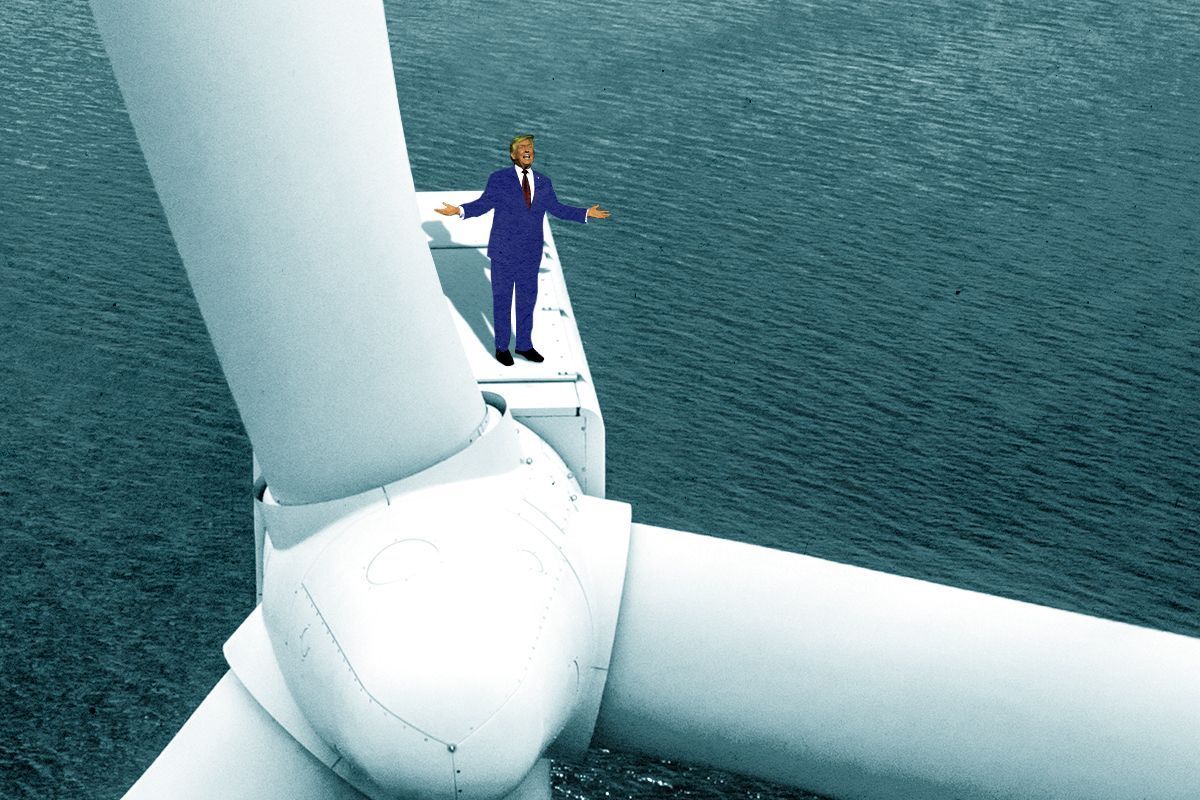
The Trump administration says it has halted all construction on offshore wind projects, citing “national security concerns.”
Interior Secretary Doug Burgum announced the move Monday morning on X: “Due to national security concerns identified by @DeptofWar, @Interior is PAUSING leases for 5 expensive, unreliable, heavily subsidized offshore wind farms!”
There are only five offshore wind projects currently under construction in U.S. waters: Vineyard Wind, Revolution Wind, Coastal Virginia Offshore Wind, Sunrise Wind, and Empire Wind. Burgum confirmed to Fox Business that these were the five projects whose leases have been targeted for termination, and that notices were being sent to the project developers today to halt work.
“The Department of War has come back conclusively that the issues related to these large offshore wind programs create radar interference, create genuine risk for the U.S., particularly related to where they are in proximity to our East Coast population centers,” Burgum told the network’s Maria Bartiromo.
This action takes a kernel of truth — that offshore wind can cause interference with radar communication — and blows it up well beyond its apparent implications. Interior has cited reports from the military they claim are classified, so we can’t say what fresh findings forced defense officials to undermine many years of work to ensure that offshore wind development does not impede security or the readiness of U.S. armed forces.
The Trump administration has already lost once in court with a national security argument, when it tried to halt work on Revolution Wind citing these same concerns. The government’s case fell apart after project developer Orsted presented clear evidence that the government had already considered radar issues and found no reason to oppose the project. The timing here is also eyebrow-raising, as the Army Corps of Engineers — a subagency within the military — approved continued construction on Vineyard Wind just three days ago.
It’s also important to remember where this anti-offshore wind strategy came from. In January, I broke news that a coalition of activists fighting against offshore wind had submitted a blueprint to Trump officials laying out potential ways to stop projects, including those already under construction. Among these was a plan to cancel leases by citing national security concerns.
What comes next will be legal, political and highly dramatic. In the immediate term, it’s likely that after the previous Revolution victory, companies will take the Trump administration to court seeking preliminary injunctions as soon as complaints can be drawn up. Democrats in Congress are almost certainly going to take this action into permitting reform talks, too, after squabbling over offshore wind nearly derailed a House bill revising the National Environmental Policy Act last week.
Heatmap has reached out to the offshore wind developers affected, and we’ll update this story if and when we hear back from them.