GLOBALVARS
0
This is an edition of Heatmap Daily, an evening review of the day’s news written by our executive editor. Sign up for it here.
Welcome to August — which, as the political commentator Josh Barro once observed, is the year’s “stupidest news month.” Because Congress goes on recess around this time of year, and so many other Americans go on vacation, “the quantity of serious news structurally declines,” and we journalists have to turn to sillier stories in order to fill the space.
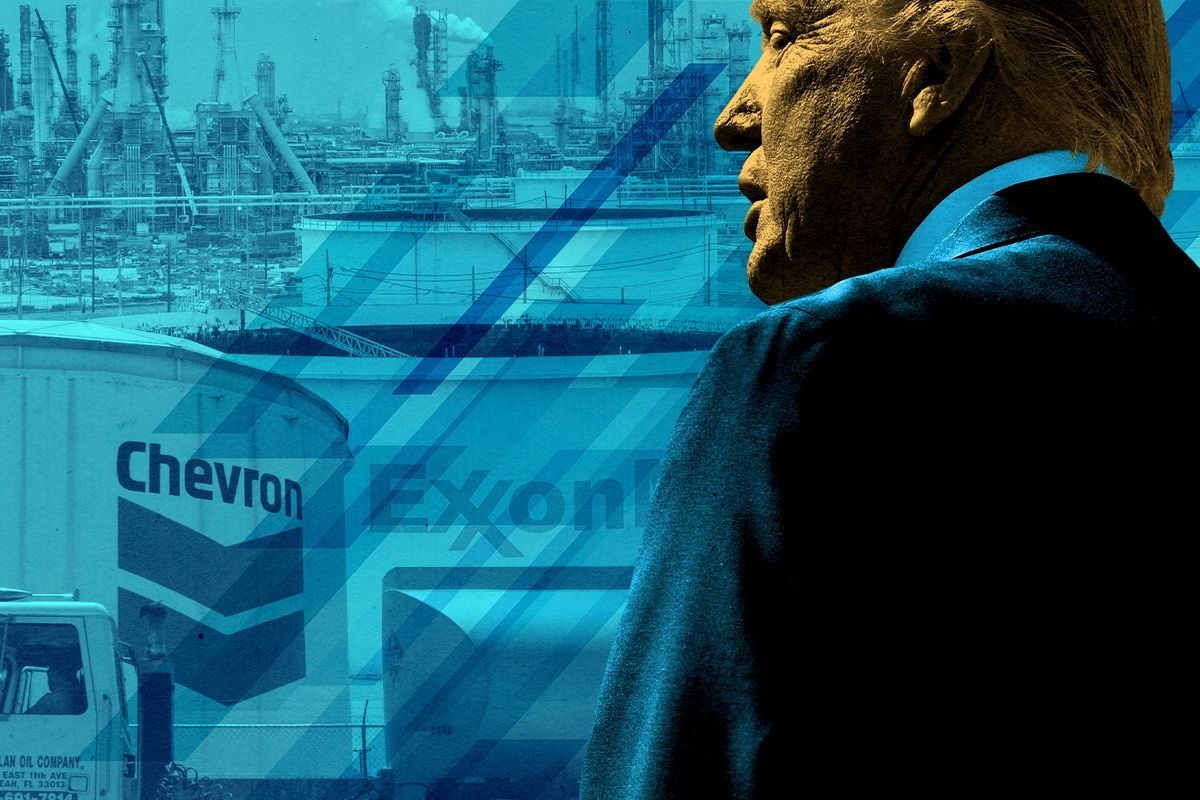
I couldn’t help but think of that post today. As my colleague Matthew Zeitlin covered last week, oil companies recently had a blowout quarter. Last week, Chevron reported its best quarterly earnings result ever, while Exxon announced its largest profit in four years. None of this was a surprise: The Iran war and the Strait of Hormuz’s closure sent oil prices soaring around the world in the spring, making the supermajors’ domestic refinery business especially profitable. Despite its big result, Exxon actually underperformed Wall Street’s expectations — that’s how expected all of this was.
Still, though — the oil companies benefited from a supply shock that was hurting everyone else in the economy. Although this kind of volatility is part and parcel of the commodities business — it is part of what makes commodities so enticing to investors — it is, at the very least, not a good look. And in times like these, progressive policymakers will sometimes call for a windfall profits tax, a one-time levy on large and unexpected profits arising from a situation outside a company’s control. (Centrists and conservatives tend to prefer making different reforms to the tax system that tax “supernormal” profits.)
The United States last imposed a windfall profits tax on oil companies in the 1970s, but other countries still use them today: The U.K. implemented one after Russia’s invasion of Ukraine drove up gas prices in 2022, as did a handful of European countries. More recently, Senator Sheldon Whitehouse of Rhode Island and Representative Ro Khanna of California proposed a windfall tax after gasoline prices shot up in March.
I wouldn’t have counted President Trump among Whitehouse’s and Khanna’s number. Yet speaking to reporters from the Oval Office today, Trump said the oil companies were “making too much money” from the Strait of Hormuz closure.
“Chevron, too much money. ExxonMobil, too much money,” the president said. “When you look at one company where they made 12 times what they made the year before, they ought to give some of that back to the public … And they better cut the retail price, the consumer price.”
He noted that many reporters looked “surprised” he was saying it, but reiterated he “wasn’t happy.”
Now, the president hasn't quite called for a windfall profits tax. He seems to have something more voluntary in mind. But it’s still a pretty extraordinary thing for the president to say, given his fealty to the industry in virtually every other context. I’ll admit, too, that I’m perplexed by the president's decision making here. He chose to go to war with Iran — and the almost certain outcome of that war was going to be high oil prices. If anything, the war has moved oil prices less than analysts would have thought. What did Trump expect?
I don't expect these remarks to usher in some new era of Trumpian policy or politics. This is probably just another silly August story. But it reflects how violently the politics of energy have changed since President Trump took office in January 2025. Americans know it, Democrats know it, and President Trump knows it too.