GLOBALVARS
0
Everlane’s reported sale to Shein has left many shocked and saddened. How could the millennial “radical transparency” fashion brand be absorbed by the company that has become shorthand for ultra-fast fashion? While I feel for the team within the company that cares about impact reduction, I am not surprised by the news.
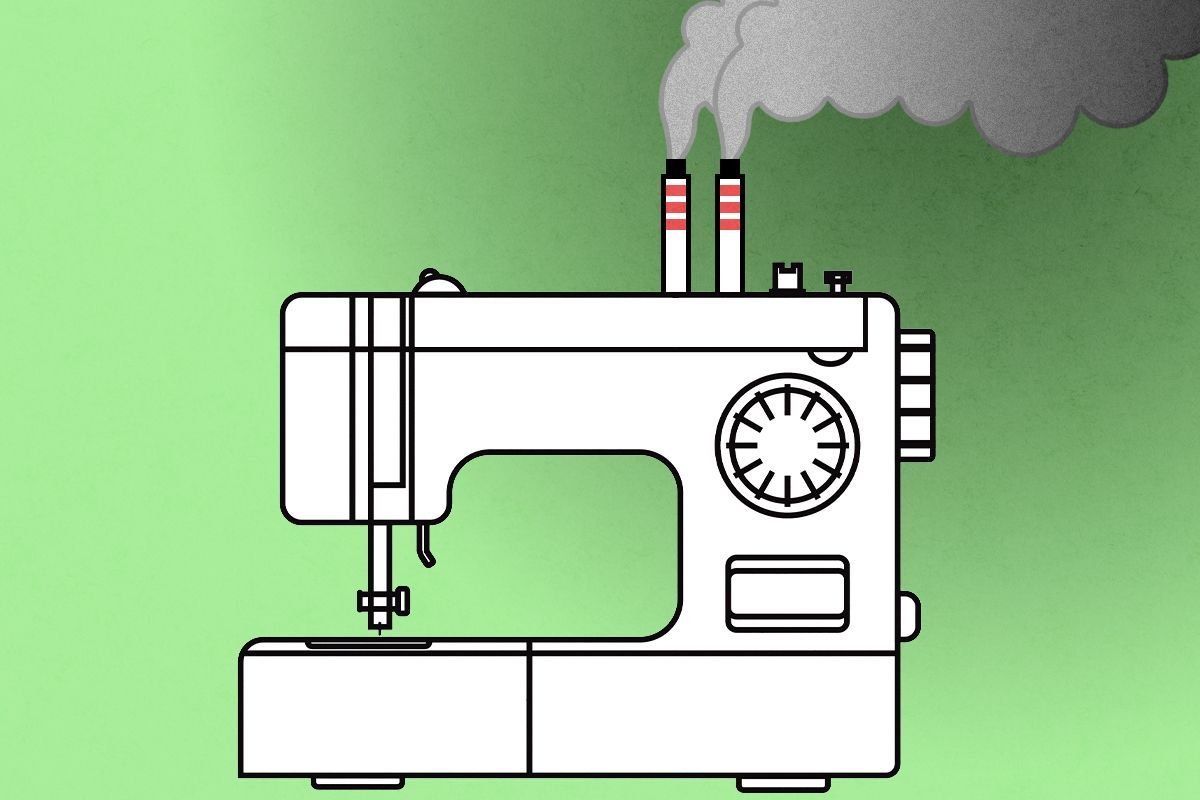
Everlane was built around a theory of change that was always too small for the problem it claimed to address — that better brands and more conscientious consumers could redirect a coal-powered, chemically intensive, globally fragmented industry.
The theory had real appeal, but it was wrong. Yes, it created some better products, but it was never going to remake the fashion industry on its own.
This is the tension at the center of sustainable fashion: Consumer demand can create a niche, even a meaningful one, but it cannot reconfigure the economics of global supply chains. What is needed are common sense laws that require all significant players to play by the same basic rules: reduce emissions, ban toxic chemicals, and maintain basic labor standards.
A company I used to run, Zady, was an early competitor to Everlane, and we were part of the same cultural and commercial moment. When we raised money, we told investors that while our Boomer parents may have thought that changing the world meant marching on the streets, we knew better. Change was going to happen through business.
The problem was that, while our market was growing, fast fashion was growing faster. There was a small but passionate group of consumers trying to buy better, but the overall system drove companies to produce more — more units, more emissions, more chemicals, and more waste.
The truth is that brands do not have direct control over the environmental impacts of their products. Most of the emissions and applications of chemicals are not happening at the brand level, but are instead in fiber production, textile mills, dyehouses, finishing facilities, and laundries, all of which the brands do not own. These factories operate on the thinnest of margins, and the open secret is that brands share these suppliers. No one brand wants to pay the cost for their shared factories to make the necessary upgrades to address their impacts. It’s a classic collective action problem.
Everlane’s capital story matters here, too. Unless a founder arrives with substantial personal wealth, outside investment is often the only path to scale. A company can remain small, independent, and slow-growing, but then it will likely be more expensive, more limited in reach, and less able to influence factories.
Everlane chose the other path. It took institutional growth capital from storied venture firms more closely associated with the digital revolution (including some that also fund clean energy technologies) and became a recognizable national brand. This obligated the company to operate inside a financial structure that leads inexorably toward some kind of exit, whether through a sale, an initial public offering, or some other liquidity event. Once that is the operating system, sustainability can remain a real and important goal, but it is not the final governing logic — investor return is.
“Radical transparency” was never enough to solve the fashion industry’s or venture capital model’s structural problems. Naming a factory is not the same as knowing what happens inside it. Publishing a supplier list does not tell us whether the facility runs on coal, whether wastewater is treated before being released back into the ecosystem, or whether restricted substances are present in dyes, finishes, trims, or coatings.
We already have many forms of transparency in American capitalism. Public companies, for example, are required to disclose executive compensation and the average pay of their workers; this transparency has done exactly nothing to close the pay gap. A disclosure is not the same thing as a legal standard.
So what does this mean for all of us? We don’t know exactly how Shein will absorb Everlane. I could guess that this is a Quince play for Shein, a way to access higher-end consumers that would otherwise never go on the Shein site.
What this tragicomedy reveals is that the idea born from Obama-era optimism, that the arc of history naturally bends toward justice and sustainability, was ephemeral.
The work to make this coal-powered industry sustainable will come from regulation. The technology to decarbonize is there, and unlike with aviation, for instance, it would cost the apparel industry a mere 2 cents per cotton t-shirt to get it done. But unlike with aviation, there are no requirements or incentives that these investments be made, so they are not.
The electric vehicle industry got a head start through direct subsidies and fuel efficiency standards. Apparel needs the same.
If you’re disappointed or angry about this turn of events, I ask you to channel those feelings into citizenship. Help pass the New York or California Fashion Acts that would require all large fashion companies that sell into the states to reduce their emissions and ban toxic chemicals. It’s currently legal to have lead on adult clothing, and Shein is consistently found to have it on their products. The industry is pushing back through their trade associations, so people power is needed so that legislators know it needs to be their priority.
But if you want to shop sustainably, you don’t need a brand. What is most helpful is understanding your own style and lifestyle — that’s how we know what we actually need and what we don’t. There are apps to help on that front. (I love Indyx, for instance, but there are others.)
The only way forward is together, and that means political solutions — emissions requirements, chemical requirements, labor requirements — not just consumer ones.