0
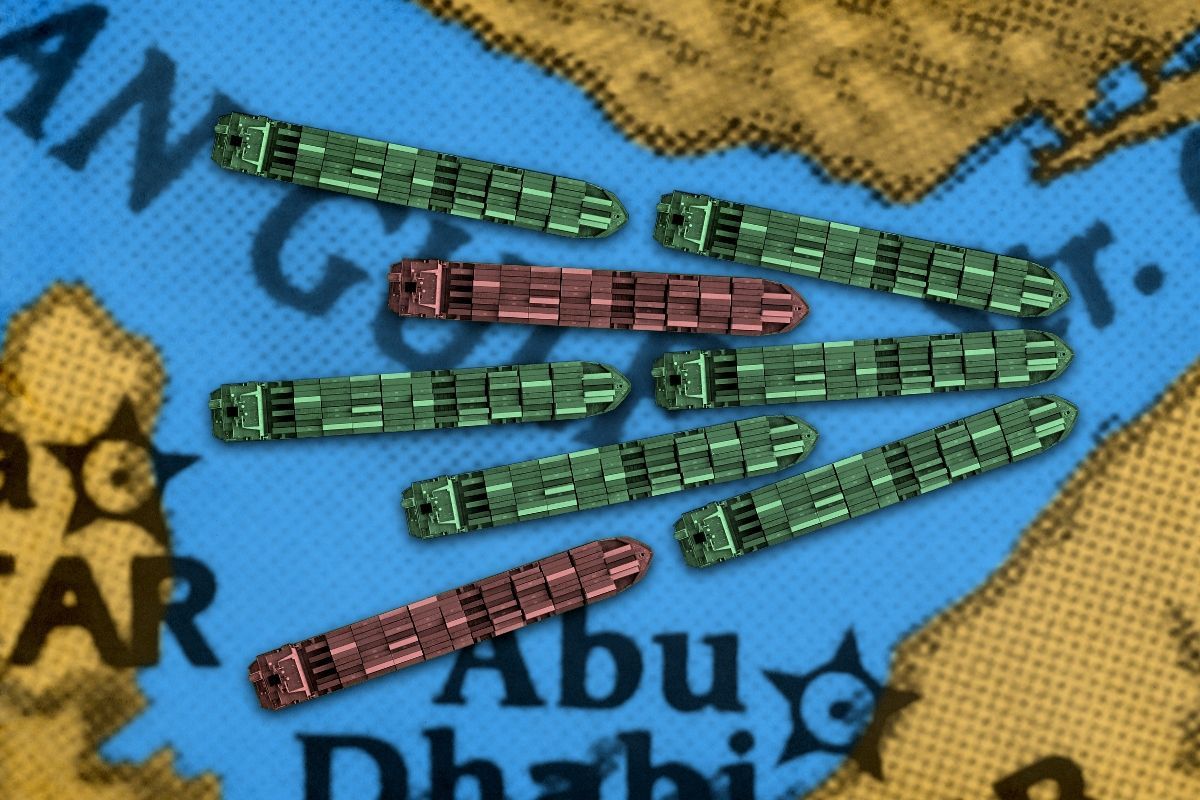
The energy impacts of the continued crisis in the Persian Gulf are obvious. Countries that rely on the natural gas and oil from the region are dealing with higher prices, and in some cases are trying to tamp down their demand for fuel and electricity to keep prices under control, not to mention maintain basic energy availability.
But it’s not just gas-fired power plants and internal combustion engines that are feeling the pinch.
The consequences of the effective closure of the Strait of Hormuz go well beyond the set of energy commodities typically associated with the Persian Gulf, including a vast array of minerals and petrochemicals, including many necessary to produce clean energy. We’ve already covered aluminum, a key component of solar panels, cars, and batteries, which requires so much energy for processing that almost 10% of it is produced in the Middle East, where fuel is abundant.
Now another chemical essential to the battery supply chain is seeing price hikes and supply reductions: sulfuric acid.
Sulfuric acid is used in refining and processing several metals and minerals key to the energy transition, including copper, cobalt, nickel, and lithium. Copper is used throughout EVs and other clean technologies, while nickel and cobalt are used in cathodes in lithium-ion batteries — which, of course, also contain lithium. Shortages or higher prices of sulfuric acid could lead to shortages or higher prices for batteries and electric vehicles, just as consumers flock to them to help mitigate the impacts of rising fossil fuel costs.
Sulfur is a byproduct of oil and natural gas refining, hence about half of seaborne sulfur comes from the Middle East, according to Argus Media, but only a handful of sulfur-bearing vessels have transited the Strait of Hormuz since the war began. In response to the disruption, China, the world’s top exporter of sulfuric acid, began restricting shipments abroad, according to S&P.
Sulfuric acid “is an irreplaceable input in the manufacture of renewable energy materials, such as silicon wafers in solar panels; the nickel, cobalt, and rare earths in wind turbine magnets and electric vehicle (EV) motors; and the copper wiring in every grid connection and transformer,” wrote Atlantic Council fellow Alvin Camba in an analysis for the think tank.
“Most elemental sulfur comes from the Middle East,” Camba told me, “and it goes to places like Indonesia,” where metals are processed to “produce the batteries for a lot of vehicles for companies like Tesla, BYD, and Honda.”
Shortages of sulfuric acid will likely hit Indonesia especially hard. The country produces about 60% of the world’s nickel, but has only about a month’s inventory of sulfur, according to a team of Morgan Stanley analysts. “We believe the energy shock is reverberating and will sustain beyond the reopening of the Strait of Hormuz,” the analysts wrote of China’s export restrictions. “It will keep fuel markets tighter, lift the cost curve for Indonesian nickel, and raise refining margins in Asia. Higher energy prices will show up in food, tech and battery supply chains.”
Already, according to Morgan Stanley, “several” Indonesian nickel producers have reduced their output by at least 10% from last month. In the Democratic Republic of Congo, copper and cobalt miners are reducing their use of chemicals in their operations and considering cutting output.
Battery manufacturers are already seeing higher costs for their materials. The Chinese battery giant (and Tesla supplier) CATL saw its profit margins decline quarter-over-quarter revenue growth due to “cost pressure,” Morningstar analyst Vincent Sun wrote last week in a note to clients — and that’s despite greater sales volumes as consumers attempt to escape fossil fuel-dependency. As sulfuric acid rises in price, the battery companies will also be competing with agribusiness, who use sulfuric acid to produce phosphate fertilizers, Camba told me.
Even Ivanhoe Mines chief executive and metal and mining mega-bull Robert Friedland said in a statement last week, “If the closure of the Straits of Hormuz continues … second-derivative effect will be on global copper production due to the shortage of the world’s most important industrial chemical, sulfuric acid.” Friedland described the market for sulfur and sulfuric acid as “extremely tight.”
That also spells bad news for lithium, the namesake mineral used in EV batteries. Around half of global lithium production comes from spodumene, a hard rock mined largely in Western Australia. Refining that rock requires a "shitload" of sulfuric acid, Nathaniel Horadam, the founder and president of Full Tilt Strategies, told me, through an energy intensive process known as “acid baking.”
Australian mines were already suffering from high diesel prices and shortages due to the conflict in Iran, according to Argus Media. The high price of sulfuric acid could put a squeeze on margins for lithium refining, which largely occurs in China.
“If their production costs go up, that’s going to be factoring into their market pricing,” Horadam said. “I would expect all those prices to go up in the short to medium term until this stuff kind of settles.”
The other major threat to battery makers specifically, Horadam said, was shortages of petrochemicals like ethylene, which is used in the production of plastics, and polyethylene, a polymer often used in plastic bags.
Ethylene is often made from ethane, a natural gas liquid, or naphtha, a refined petroleum product and production in the Persian Gulf has been severely disrupted by the Hormuz crisis. As of March, Asian petrochemical producers had already reduced their output in anticipation of shortages.
Polyethylene is also a crucial component in lithium-ion batteries, where it’s often used in the “separator,” which physically divides the cathode from the anode. Even the Trump administration has thrown its support behind polyethylene in battery manufacturing A $1.3 billion loan from the Department of Energy’s in-house bank to finance a separator manufacturing facility in Indiana survived the Trump administration’s gutting of that office, with $77 million getting disbursed last September. (Notably, the Trump-era announcement dropped a reference to electric vehicles and instead enumerated separators’ uses in “data centers, energy storage, and consumer electronics.”)
Over 40% of lithium-ion separators are produced in China with the “bulk” of them produced in Asia, according to the DOE, which makes support for domestic production paramount to maintaining international competitiveness and domestic supply chains.
“We’re relying on the Chinese and Japanese to produce all our separators and electrolytes and such,” Horadam said. “This sulfuric stuff is getting all the attention because it’s pretty obvious in terms of visible, salient minerals that are directly impacted, but I wouldn’t sleep on separators and binding agents.”