GLOBALVARS
0
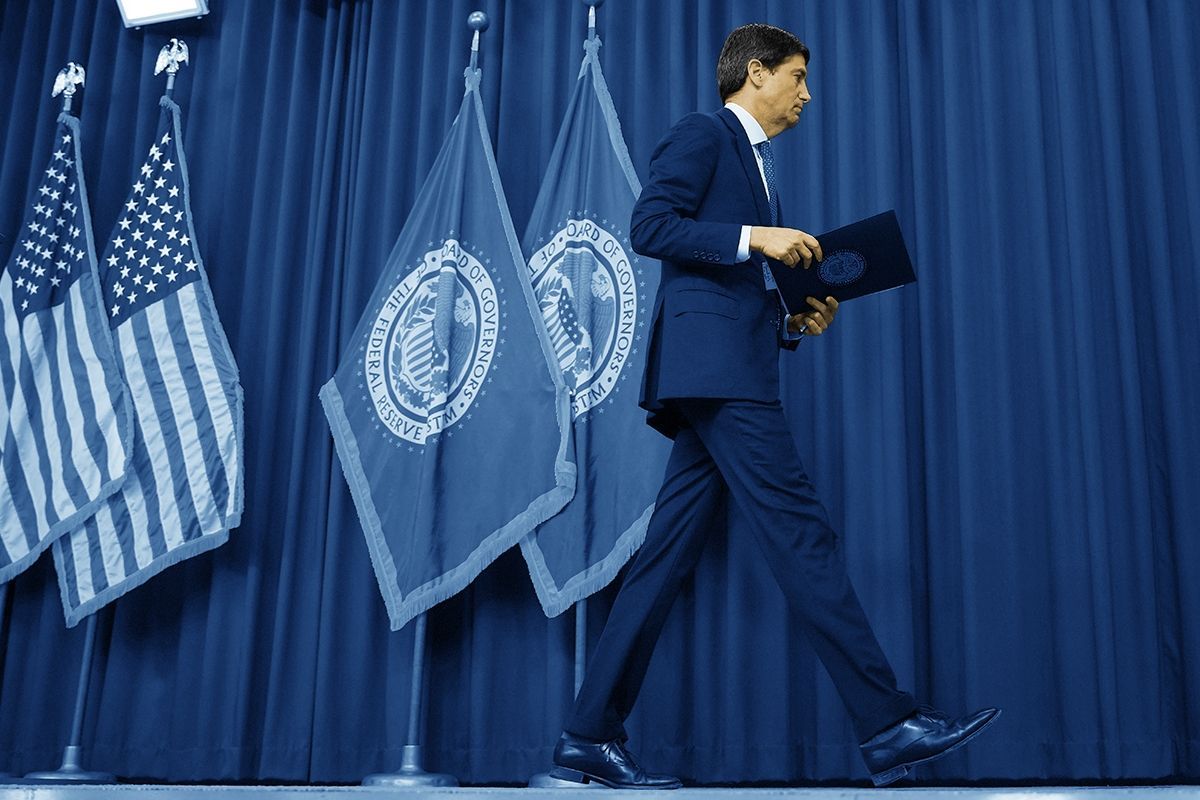
The Federal Reserve raised the federal funds rate by a quarter point, the central bank announced Wednesday afternoon, its first rate change since Chairman Kevin Warsh took his seat in May and its first rate hike in over three years.
The federal funds rate will now sit between 3.75% and 4%. According to projections by regional Federal Reserve presidents and members of the Board of Governors, the central bank expects to hike rates one more time this year.
In its now characteristically brief statements, the Federal Open Market Committee said that the hike “will support a timelier return to the Committee's 2 percent goal” for inflation. Inflation is currently running at 3.4% and has been above the Fed’s 2% target since 2021.
The FOMC’s (brief) statement explaining the hike pointed to “resilient” domestic spending and “robust” capital investment. It characterized the economy as “expanding at a solid pace,” albeit with “elevated” uncertainty due to “geopolitical developments.”
This combination of factors — high oil prices due to the partial shutdown of the Strait of Hormuz and high investment in data centers — have helped push up yields on Treasury bonds, which helped maneuver the Federal Reserve into its rate hike. These rising Treasury yields have made raising capital more difficult for sectors besides artificial intelligence, very much including the capital-intensive renewable and clean energy industries.
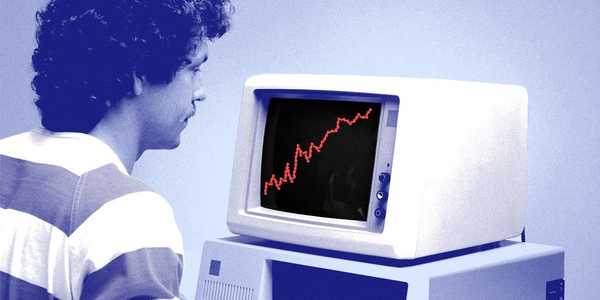
Warsh attributed higher Treasury yields to “economic strength, competition for capital, and geopolitics,” in his press conference following the rate announcement. The yield on the 10-year treasury bond, often used as a benchmark for the cost of money throughout the economy, rose to over 5% on the news, the highest level since 2007.