
GLOBALVARS
TEST TEST TEST
0
Products
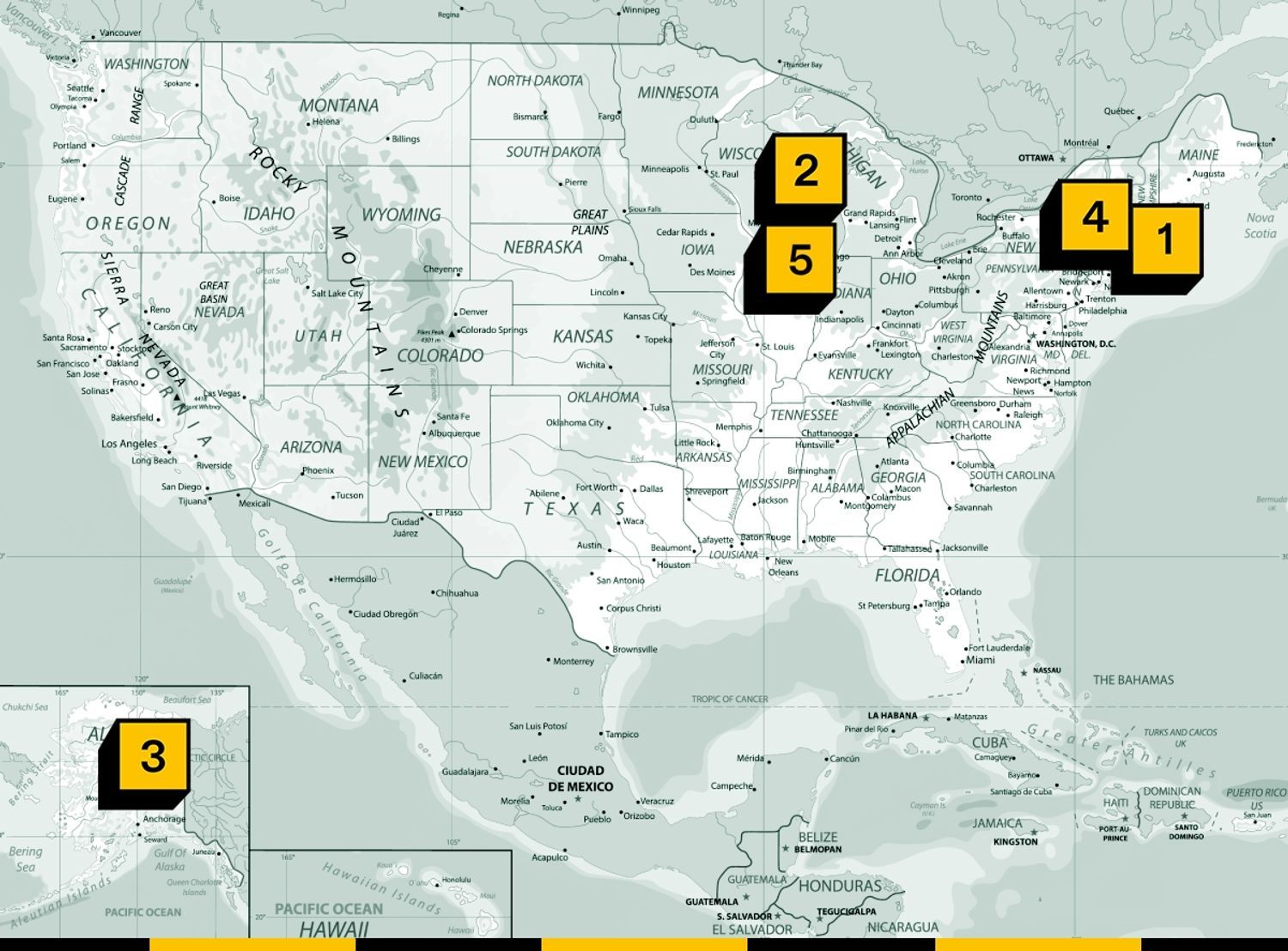
Rhode Island – Anyone interested in the renewable energy sector needs to familiarize themselves with an obscure shipwreck off the coast of New England because it’s the newest ammo in the gunfight against offshore wind.
- In September, anti-wind environmental group Green Oceans announced it discovered a lost shipping boat, the F/V Mistress, at the bottom of the sea within 50 feet from one of the five operating turbines at the Block Island offshore wind farm – the first offshore wind farm to operate in U.S. waters.
- Green Oceans claimed they also discovered the remains of one of the two people who died in the wreck, which occurred in 2019, under the first Trump administration. They then asked the Interior Department and Coast Guard to open an investigation into whether the offshore wind farm played a role in the incident, claiming federal records from that time indicate the wind farm made it challenging to save those onboard.
- Since this public request, the F/V Mistress is one of the primary points of discussion I’ve seen come up in anti-wind Facebook pages. The New England Fishermen’s Stewardship Association, an anti-wind fishing group, has also embraced the call for government action. Bonnie Brady, the group’s policy director, claimed the wind farm created “ghost images” that made it challenging to save the fishermen and that rescues are being delayed by the turbines.
- “Why didn’t anyone tell President Trump that these two men died right next to a wind farm, whether it was state waters or not? Why? Because they knew that if someone knew that, it would’ve been canceled immediately,” Brady told local conservative talk radio host John Castimatidis in September. (Castimatidis is the Trump-supporting billionaire owner of Red Apple Group, a multi-sectoral conglomerate that includes oil interests.)
- Brady has continued to beat this drum within the past few weeks as Congress advanced the permitting bill, which the Senate passed on Thursday. That’s likely because it could totally be legal for the federal government to target permitted – maybe even operating – wind farms on these grounds, because the legislation stipulates such actions are allowed in cases where “public health, interest, or safety” is in jeopardy. There is also a national security permission structure and given the Coast Guard’s role in shielding the nation, any intervention by that agency would have serious weight. Ultimately, the risk here is to all offshore wind farms, both permitted and operating.
Ozaukee County, Wisconsin – Construction on a Vantage and Oracle hyperscale data center in one of the hottest spots for development in the Badger State is allegedly making the local water… well, there’s little way to describe it other than cloudy.
- A local resident around the Vantage construction reported a nearby stream was rendered grey by the project, contamination confirmed by the state Department of Natural Resource which said it was from “sediment” and did not include “hazardous materials.” This did not assuage members of the community who then packed a city common council meeting.
- This $15 billion data center project was already incredibly fraught politically. The project was at the heart of litigation brought by Sierra Club and Wisconsin environmental advocates in September that resulted in a settlement requiring the state to review all new data center projects in one comprehensive analysis. During election season, incoming Gov.-elect David Crowley said he wouldn’t permit more data centers until that analysis was complete.
- Although construction is underway, the data center still requires approval for the required transmission lines from Wisconsin’s Public Service Commission, which began considering the necessary permitting applications in September. This was after the agency took a rare step under activist pressure to deem a previously-approved application “incomplete.” I believe this power line will be a fight worth watching especially as other Oracle data centers elsewhere in the United States see their timelines slip for completion.
Alaska – The Kodiak State just approved a 50-year lease for what would be its first large-scale data center campus in the North Slope.
- The so-called “STAK Energy Campus” would also include multiple gigawatts of gas-fired power on site. Next up will come additional environmental analyses, including wetlands delineations, a common federal permitting risk for developers in the state. Also, the state’s decision is eligible to be challenged in court but there’s a narrow 20-day window for legal action.
- In its approval decision, the state Department of Natural Resources acknowledged that it has never allowed this kind of land use before and that it presents unique circumstances. “The Division also recognizes that this proposed development presents circumstances that are, in important respects, without direct precedent in the State’s historic management of its lands and resources,” the agency said in a response to public comments. “[W]hile established precedent remains an important consideration, the Division does not view it as necessarily dispositive where the state is confronted with a novel use of its land for which no directly analogous commercial precedent exists.”
- The biggest risk to the STAK Energy Campus is incoming Alaska Gov. Jonathan Kreiss-Tompkins, a Democrat who called for a statewide data center moratorium pending new regulations on the industry. As Governor, Kreiss-Tompkins would be able to control what state permits are issued for development of the project, as well as how the Alaskan government engages with Trump administration permitting processes.
Tazewell County, Illinois – Let’s end on a large renewables project actually getting approved: this rural farming county flush with opposition according to Heatmap Pro data still issued a conditional use permit to a 500-megawatt agrivoltaics solar project.
- How’d they do it? Well, according to local news reports, the county board this week stuffed the decision into a 30-something list of items they approved through a unanimous consent request. Opponents of the project didn’t even realize the solar farm was getting a vote – oops!
- It’s not all sunshine and roses because the board separately postponed a vote on battery storage for the project but I have a feeling it’ll be alright for the developer, Lumina Energy Storage. Per one account of the board’s meeting on the matter, county officials mourned the potential that denying the battery would not block the project because they could still appeal to the Illinois Commerce Commission, which under state law can override some local siting decisions.