GLOBALVARS
0
Here’s a little secret I learned from my father and grandfather, both of whom spent decades-long careers selling cars around New York City: Dealerships make real money not from sales and leases, but from providing the repairs, oil changes, and tune-ups on those vehicles long after they’re driven off the lot. It’s a big business. While AAA does not release its national revenue figures, the nonprofit federation of automotive clubs that provide speedy service to drivers stranded with a flat tire or overheated engine is estimated to pull in billions of dollars per year.
That’s the kind of business John Berger set out to build during his 13 years as chief executive of Sunnova. But the Houston-based rooftop solar giant racked up so much debt from the leasing business that the publicly-traded firm filed for Chapter 11 protections last June after the Trump administration canceled a $3 billion loan. His dream of deploying enough panels to sustain the company on servicing subscriptions fizzled.
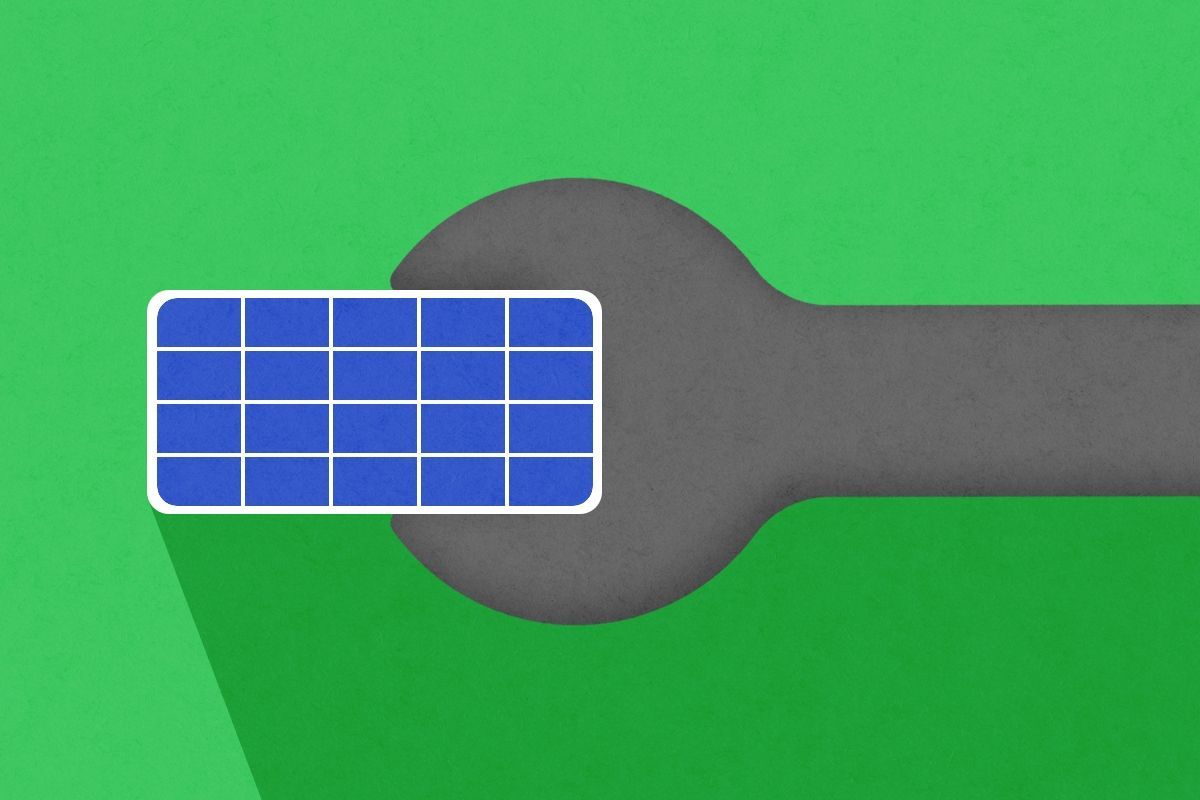
Three months after Sunnova’s collapse, Berger returned to the industry with a new startup dedicated to providing round-the-clock maintenance for solar, battery, and generator systems. The new startup, Otovo, built off the existing name and business model of an eponymous Norwegian company that merged with Berger’s Texas-based American firm in December.
Now, Heatmap has learned, the company has hit a major milestone.
As of Thursday morning, Otovo has racked up 30,000 customers, two-thirds of whom are paying recurring subscription fees ranging from $9 to $49 per month for maintenance service, with the pricier memberships providing the fastest guaranteed fixes.
Otovo’s first-year growth — which exceeded the company’s own initial estimates — may say as much about the state of the solar market as it does about the startup itself.
Surging inflation, supply chain shocks from the wars in Ukraine and Iran, and seesawing policy incentives in the United States have put the squeeze on many solar installers, spurring a wave of bankruptcies on both sides of the Atlantic. Berger — no stranger to how it felt to be the insolvent counterparty on the other side of the negotiating table — seized on the opportunity. As installers such as California’s Solar Service Professionals, Germany’s Zolar, the Netherlands’ Soly, or Norway’s Solcellespesialisten went under, Otovo bought their customer books.
“All these orphaned customers? Well over 37 million exist between the European Union and the United States,” Berger told me. “That’s an enormous market, and it’s an enormous amount of pain when you have rising power bills.”
That orphaned customer figure, he said, was an estimate based on data from the trade group Solar Energy Industries Association, the consultancy Wood Mackenzie, and individual companies such as generator giant Generac, whose units run on natural gas, propane, and diesel.
For now, about two-thirds of Otovo’s customers are in Europe, where the company has traded on the Oslo stock exchange since before Berger’s involvement. But Berger said the long-term goal is to see its subscriber base split evenly between the U.S. and Europe.
That could be a challenge. While the European subsidies for solar vary by country, the continent is typically more “methodical and deliberate” about government policy, he said, meaning those nations avoid the “whipsaw” of American politics, where Democrats lavish support on solar and batteries and Republicans yank that funding away.
“It wouldn’t surprise me the least bit,” he said, if Congress brings back an enhanced 25D, the Biden-era tax credit for rooftop solar systems that President Donald Trump’s One Big Beautiful Bill Act repealed last year, sometime after the midterm elections.
“It was a really crazy political decision by the Republicans to kill 25D,” Berger said. “These are the people, the homeowners, that pay the taxes that then fund the tax credits for the utilities, the monopolies, and all the big companies in an affordability crisis.” He also called axing the credit “political suicide.”
Either way, he said, building new solar panels in the U.S. is getting more expensive, making it all the more important to maintain existing units. He’s optimistic about future growth.
“We continue to sell memberships every single day in all of our territories,” Berger said. “In fact, we’re gearing up to ramp that up with a significant sales effort across the board in both Europe and the U.S.”
Otovo is planning to go public in a dual listing on a U.S. stock exchange by December.
“We feel pretty good that, over the next several months, we’ll be able to pop out here and have a pretty good listing in the United States,” he said. “If it’s not before the end of the year, it’ll be very shortly after the new year. But as any CEO will tell you, taking a company public, which I’ve done before, involves a good bit of luck.”