GLOBALVARS
0

The Trump administration aims to complete its environmental review of what would be the biggest fossil fuel power project in the country in just a few months, Heatmap has learned.
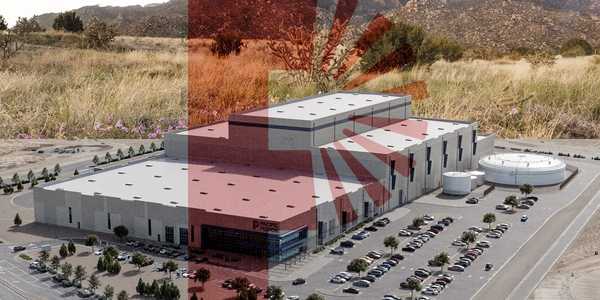
This news follows Monday’s announcement from OpenAI that it intends to lease a new 10-gigawatt data center under development in Pike County, Ohio, financed by a mixture of money from a SoftBank subsidiary and the chip company Nvidia. This AI hyperscale facility — known as the PORTS-Pike project — is expected to draw power from the largest gas power facility ever built in the United States, a 9.2-gigawatt facility sited on federal lands that would be built and owned by the Energy Department.
According to OpenAI, the data center campus will be built and started up in phases, with the first 800 megawatts starting construction this year and operational in 2028. That first phase will rely mostly on existing power infrastructure operated by AEP Ohio. How things progress from there will depend at least in part on the permitting and construction timelines for the new power plant.
Building large infrastructure of any kind on federal land or with significant federal investment typically triggers a review under the National Environmental Policy Act. I’ve been curious to find out what kind of review this particular project was going to get, especially after the administration allowed a NEPA review for a solar project to be repurposed for a data center on federal lands earlier this year.
Turns out some information about the PORTS-Pike permitting process is public. Before OpenAI confirmed its involvement with the site, the Trump administration added the project to the federal FAST-41 permitting dashboard, where it posts regular updates on the timeline for getting federal sign-offs. Per the lone federal notice available about the PORTS-Pike project, it will include “several data center buildings and power plants.” That will require at least two federal greenlights: an Army Corps of Engineers permit and approval from the Fish and Wildlife Service, which is being consulted about potential endangered bats in the project area.
The NEPA permitting work for this historically large data center-plus-fossil fuel power project began on July 10 and will conclude on December 23, the day before Christmas Eve, according to the Trump administration’s estimates. This comes after paperwork to begin the review was submitted to the Army Corps in May, per the federal notice — a total timeline of about seven months.
Those familiar with NEPA and the debate over permitting reform will likely be surprised by the speed of this review. It’s moving fast in part because the project is receiving just an Environmental Assessment, the lesser and smaller type of analysis than the EIS. I do not know why the government decided to take this route because the government’s NEPA review determination is not currently public, but I have asked the Army Corps to explain this move.
I’m not sure exactly how air permitting will fit into this NEPA review, as the Clean Air Act isn’t listed as a review step on the federal dashboard. The Ohio EPA has primary authority over permitting projects like these under the Clean Air Act, and I’ve reached out to them to confirm whether PORTS has submitted a permitting application. The state agency’s permitting database does not have any information on air permitting for the project, though it does include reports from third-party consultants confirming wetlands and protected species warranted reviews from the Army Corps and Fish and Wildlife.
Lastly, these timetables are not sacrosanct. Under the Fiscal Responsibility Act of 2023, agencies are supposed to complete environmental assessments within one year, but nevertheless they regularly fail to meet them. The White House’s Council on Environmental Quality said in a report to Congress last year that from mid-2023 to mid-2025, the Army Corps was the agency that most often missed these statutory NEPA deadlines for environmental assessments.
Still, news of this speedy review for a priority Trump project is sure to excite pro-data center advocates who see expedited construction as an imperative in the global AI arms race. It’s also guaranteed to put a foul taste in the mouths of environmentalists already frustrated by federal revisions to NEPA regulations they say elide analysis of climate impacts.
What’s undebatable in all this is that, as my colleague Robinson Meyer wrote, the PORTS project could ignite a new era of mega-gas plants. This permitting timeline couldn’t be more important for the future of the data center boom — and the nation’s greenhouse gas emissions.
SB Energy, the SoftBank subsidiary behind the data center project, did not provide comment before publication.