GLOBALVARS
0
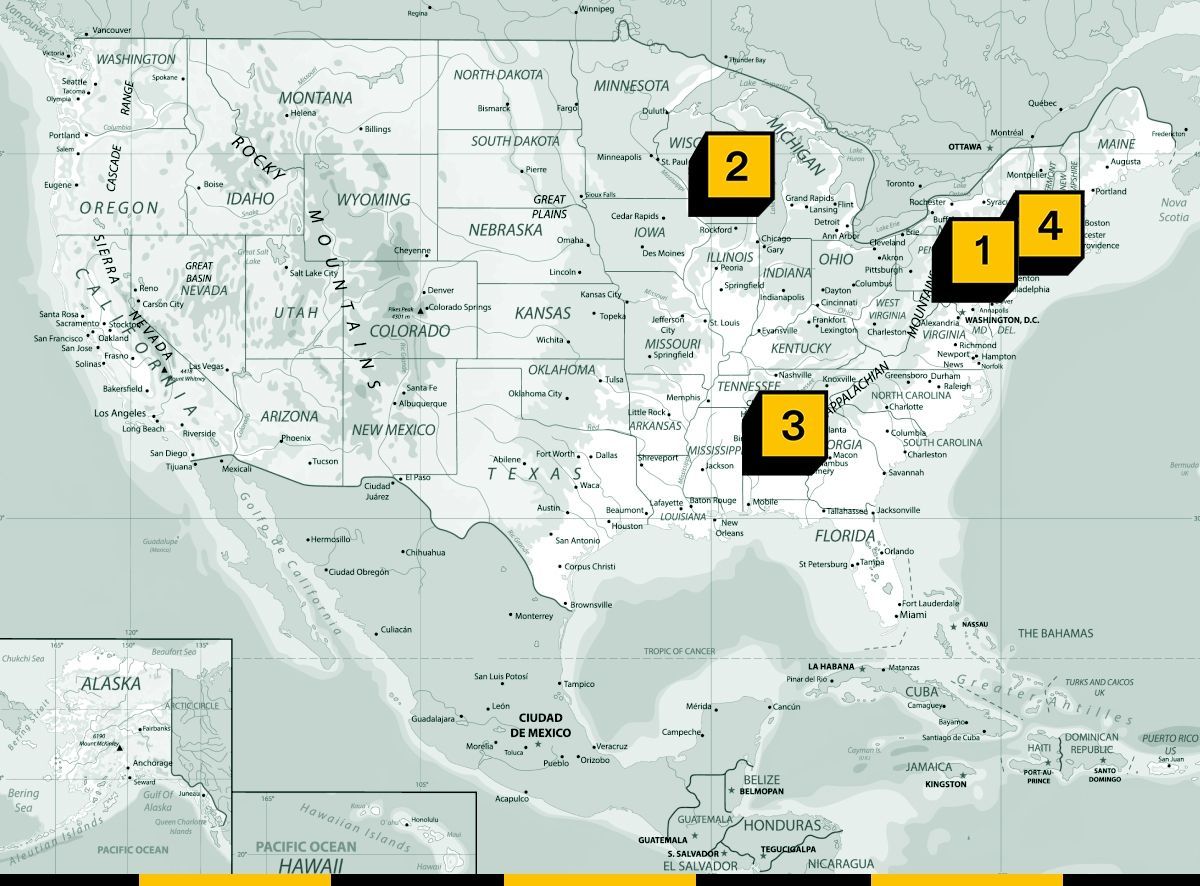
1. Montgomery County, Pennsylvania – We reached a new normal in the data center backlash, and it all seems to have started in King of Prussia.
- On Tuesday, Pennsylvania Gov. Josh Shapiro announced his state – one once coveted by the AI industry for hyperscale construction – will no longer permit projects without local support. It was a step change from posture taken mere months earlier, when he announced voluntary standards for data center development that I found may have been vetted by representatives of the industry, including Amazon.
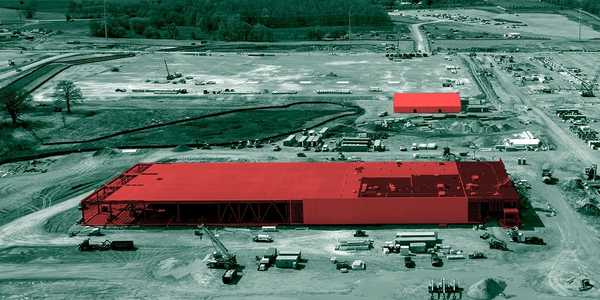
- Tucked in Shapiro’s speech was what I can only imagine was his last straw: developer Brian O’Neill’s efforts to construct data center buildings in the King of Prussia community, close to where he grew up himself. Without calling him out by name, the governor said he was “stoking fear in the community, even though he has no realistic path to getting power at the sites any time soon.”
- “Here’s something else he has no realistic path to getting: my support,” the governor said.
- As the climate news outlet DeSmog wrote earlier this month, O’Neill had closely collaborated with members of Shapiro’s administration for more than a year before this speech happened, including on securing energy. But the real estate magnate’s projects kept facing local rejections; people really don’t seem to want what he’s been selling.
- Now Shapiro is turning on O’Neill, transforming him into what he described as a type of “speculative” developer his government wishes to discourage from building projects in his state.
2. Columbia County, Wisconsin – The gubernatorial race in this state is transforming local fights over wind projects into must-watch popcorn fodder for anyone obsessed with the state of the energy transition, or national politics for that matter.
- In this county, Alliant Energy is attempting to build a utility-scale wind farm, Columbia Wind, in this exceptionally risky county for development (99 Heatmap Pro opposition risk score). The project’s currently sitting before the state Public Services Commission where it’s expected to get approved and construction is scheduled to begin next year.
- Ordinarily, I’d rely on Alliant’s schedule and the PSC, which has supremacy under state law over any local restrictions that come about in the Badger State. But the conflict over data centers has exacerbated existing tensions in this county, turning passive irritation into standing-room-only hearing rooms filled with people upset at new energy and tech infrastructure coming into the county. A solar and wind moratorium is now imminent, along with likely restrictions on data center development.
- This is precisely the sort of local fight I expect Wisconsin gubernatorial candidate Tom Tiffany to highlight as he begins a “Protecting Wisconsin Farmland” road tour amplifying communities fighting back against solar, wind, or data centers. Tiffany hasn’t announced a stop in Columbia County yet, but he is going north to Wausau in Marathon County, where a different wind project is in locals’ crosshairs.
3. Shelby County, Alabama – One quick update on the intervention of John Rich, the country star turned Trump’s “special envoy for American landowners,” in an Alabama Power transmission project: it’s getting a lot more elected officials involved.
- Per the website 1819 News, two members of the state’s congressional delegation – U.S. Senator Katie Britt and Rep. Dale Strong – contacted Fenn Church, the landowner Rich has been helping, after the musician publicly stepped in against Alabama Power’s transmission line across Church’s property. Apparently alternate landowners are now also saying they’ll entertain bids for hosting the transmission line instead, too.
- It’s honestly the first example I’ve found of Rich’s work actually helping a landowner, though I’m sure there are more. Now, if only I could find out if his tweeting at FERC commissioners does anything…
4. New Jersey – We try to conclude every Hotspots on a positive note. So this week’s silver lining comes to you from the Garden State, where state regulators have approved more than a dozen agrivoltaics projects.
- The state Board of Public Utilities on Monday approved 16 agrivoltaics projects under a statewide pilot program promoting research into the proliferation of agrivoltaics technology and dual solar-farming land use practices.
- It’s not a lot of power – about 52 megawatts – but New Jersey’s pivot to agrivoltaics suggests the Sherrill administration may have more renewable power options to choose from than simply relying on offshore wind facilities that are, for now, indefinitely dead in the water.
- This action couldn’t come at a more fraught time for solar on farmland. As I wrote last week, representatives of the energy sector are concerned the Trump administration is using regulation to further clamp down on utility-scale solar in agricultural areas. Not to mention the monthslong spat between the USDA and the State of New York about this conflict. So it’s refreshing even to see a state take a half-step forward like this.