GLOBALVARS
TEST TEST TEST
0
Products
One big sticking point that’s emerged in negotiations over the Bipartisan American Affordability and Jobs Act are the changes it would make to the National Historic Preservation Act. The bill would rewrite Section 106 of that law, which requires the federal government to consult with tribal nations before it permits a major project on or adjacent to land of Native cultural value. Crucially, the protections in Section 106 of the NHPA don’t end at the borders of a reservation. They extend to public and private property, as well.
The initial version of the legislation would have shrunk the scope and shortened the deadlines of reviews under the NHPA, and imposed punitive new rules on the officials in charge of overseeing those processes. It would have also allowed the federal government to step in and take over a local official’s office if officials thought they weren’t moving quickly enough. A subsequent amendment would soften many of those revisions, but not all of them.
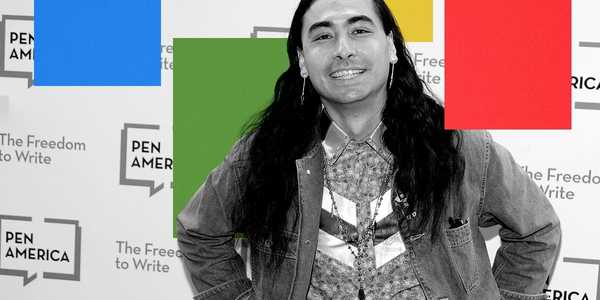
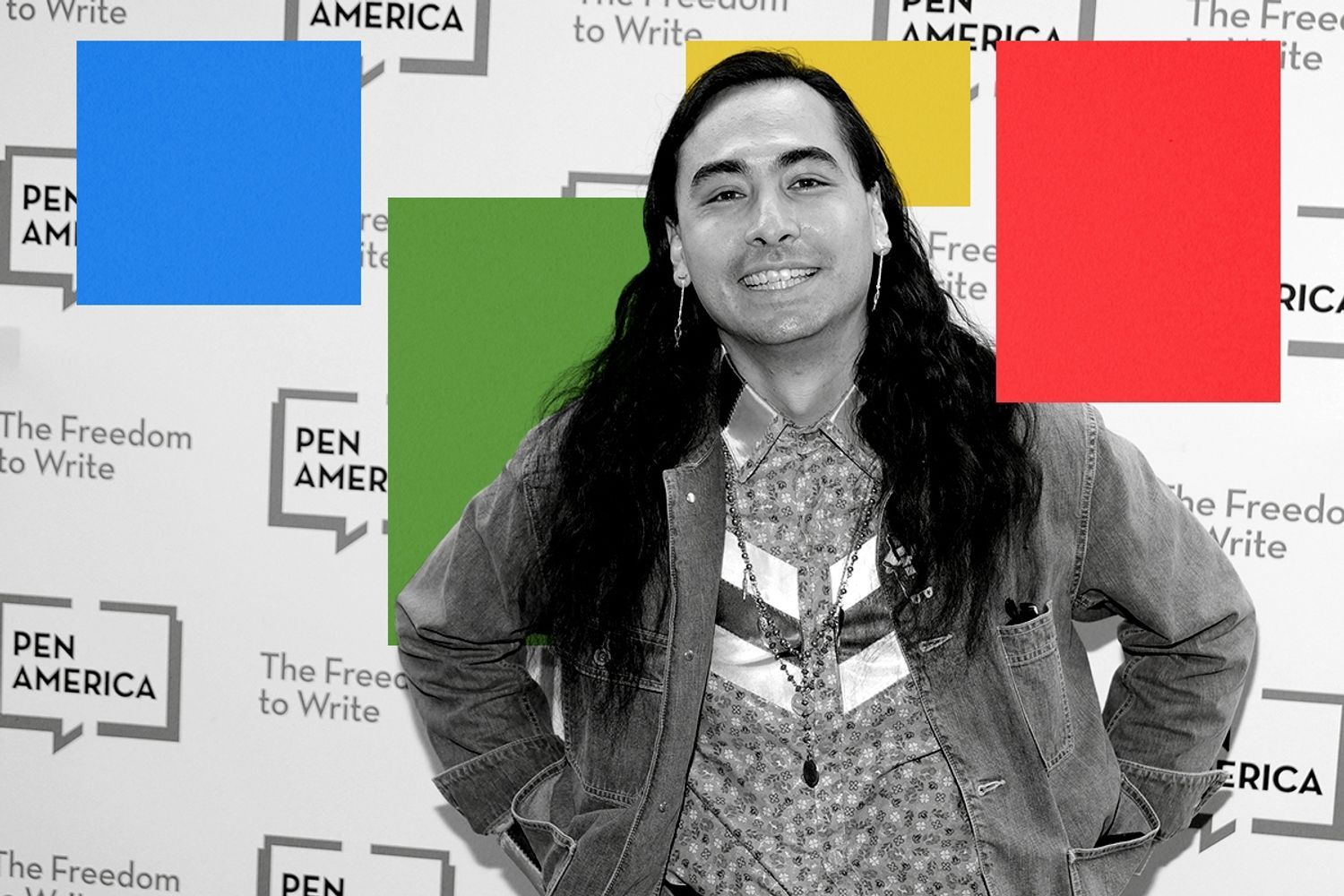
Tribes have emerged as one of the most important players in the permitting bill negotiations. Joining us today to talk about these dynamics is Julian Brave NoiseCat. He’s the author of the excellent memoir, We Survived the Night, and a director of the Oscar-nominated documentary, Sugarcane. He has worked at the climate activist group 350.org, the progressive polling firm Data for Progress, and helped lead the effort to get Deb Haaland appointed and confirmed as the first Native American Secretary of the Interior. He’s also an enrolled member of the Canim Lake Band Tsqʼéscen̓ of the Secwépemc nation up in British Columbia. We talk about the changes the bill would make to the NHPA, how the tribes have handled those changes, and what could come next for both tribal and environmental politics.
Shift Key is hosted by Robinson Meyer, the founding executive editor of Heatmap News.
Subscribe to “Shift Key” and find this episode on Apple Podcasts, Spotify, Amazon, YouTube, or wherever you get your podcasts.
You can also add the show’s RSS feed to your podcast app to follow us directly.
Here is an excerpt from their conversation:
Robinson Meyer: I think what’s interesting is that then when the bill came out, it was way more punitive than I think people had anticipated. And there was some sense that NHPA might be involved in a permanent reform, but it was way more punitive, I think, especially to the [Tribal Historic Preservation Offices], the THPOs, than had been necessarily anticipated. It said they could be defunded, as you said. It basically said if they didn’t make decisions in time, then their leadership couldn’t leave the 25-mile radius of the office.
Julian Brave NoiseCat: Oh, I didn’t catch that part. That’s crazy. Yeah, I think there’s a couple things to bring up here. The first is that this is a live debate beyond, as we’ve kind of been getting at, just the permitting reform bill. So we should also say that this bill is happening in the context of, over the summer, the ACHP — the Advisory Council on Historic Preservation, the agency created by NHPA — had actually voted on new rules about how it was going to implement the Section 106 process, which was going to impact tribes. My understanding is that they were going to fold in tribal consultation into one sort of big kind of process.
So this is a moving area of policy, both within the context of the permitting reform debate and beyond the context of this legislation. And I suspect that no matter what happens with this bill, it will remain that way for future administrations, for future Congresses. This is just going to continue to be an issue because of course, the tribal nation-to-nation relationship with the federal government is one that is just continuous. And tribes are always going to want to have a greater say over what happens in their historic home.
Meyer: When the agency made that change, was it popular? With tribes?
NoiseCat: No. No. No, they opposed it. The reality for tribes right now is that they are ... it’s a kind of complicated situation, in a certain way. On the one hand, tribes have never been more powerful from a certain vantage point. In the big picture, you have the first Native American woman governor elected to New Mexico. You have two Native women who have been elected to the Senate. Tribes operate gaming operations across the country that generate like $45 billion in revenue or something like that. They’re almost half of all brick and mortar gaming operations in the country. And tribal concerns, because they tend to exist in a geography that is actually more rural and more conservative, are actually kind of pretty close to the bellwether of American politics. There are politicians who Democrats would be shocked to learn are actually generally pretty good on tribal concerns, like Senator Lisa Murkowski.
There are others, however, who come from those types of jurisdictions who take a slightly different approach, where they tend to take on the tribes in their jurisdictions a little bit more. So a big part of the dynamic I would say around this bill is that Senator Mike Lee is a Republican from Utah, and there is a distinct Utah Republican tradition of taking on tribal sovereignty that goes all the way back to — and here real ball knowers are going to know what I’m talking about. But there was an era of federal Indian policy called termination in the 1950s that extended into the 1960s, wherein the stated goal of the federal government to Native nations was to terminate them legally. And it was spearheaded by a Utah Republican named Arthur V. Watkins. And if you have been paying attention to Mike Lee’s statements over the years, going all the way back to like Bears Ears, all the way back to Deb Haaland’s confirmation, he has always had a little bit more of an oppositional approach to tribal interests.
You can find a full transcript of the episode here.
Mentioned:
Previously on Shift Key: How Julian Brave NoiseCat Changed His Mind About Climate Politics
What was in the original bill
The Last-Minute Changes to the Senate Permitting Deal, Explained
More on the cultural politics of the permitting bill
This episode of Shift Key is sponsored by ...
Formed through a joint venture between Wärtsilä and RCT Solutions, Valo helps utilities, independent power producers, and developers navigate market and grid complexity without sacrificing system performance. Learn more at valoenergy.com.
Every year Giving Green researches the top climate nonprofits and sends 100% of every dollar donated to its Giving Green Fund straight to them. Make your first gift before the new year, and it will be matched up to $1,000. Go to GivingGreen.earth/Shift.
Music for Shift Key is by Adam Kromelow.