
Current conditions: Up to 10 inches of rain in the Cascades threatens mudslides, particularly in areas where wildfires denuded the landscape of the trees whose roots once held soil in place • South Africa has issued extreme fire warnings for Northern Cape, Western Cape, and Eastern Cape • Still roiling from last week’s failed attempt at a military coup, Benin’s capital of Cotonou is in the midst of a streak of days with temperatures over 90 degrees Fahrenheit and no end in sight.
THE TOP FIVE
1. Exxon Mobil will cut its clean energy investments by a third
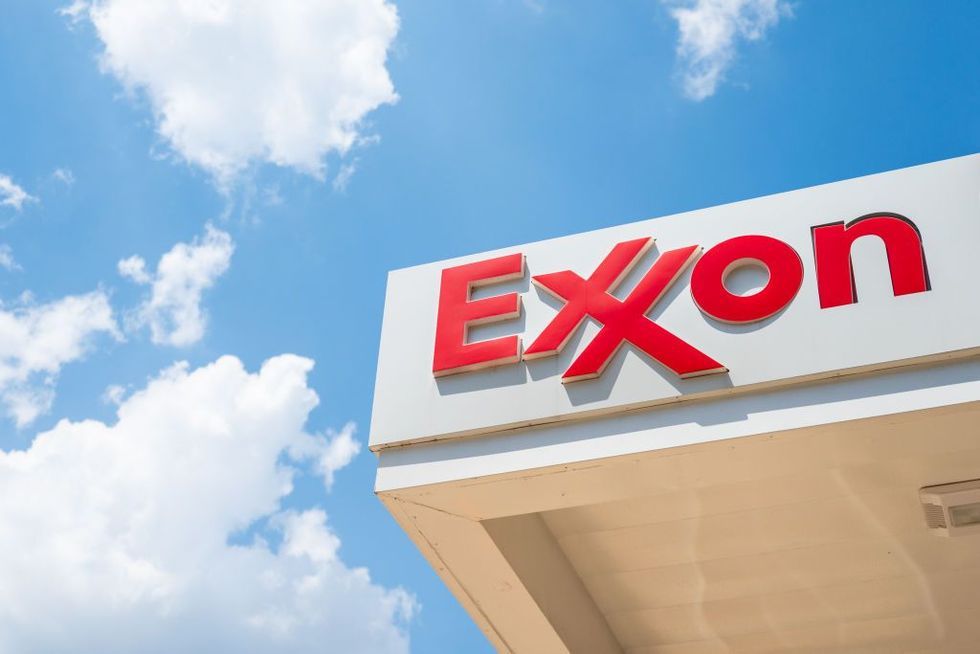
Exxon Mobil Corp. plans to cut planned spending on low-carbon projects by a third, joining much of the rest of its industry in refocusing on fossil fuels. The nation’s largest oil producer said it would increase its earnings and cash flow by $5 billion by 2030. The company projected earnings to grow by 13% each year without any increase in capital spending. But the upstream division, which includes exploration and production, is expected to bring in $14 billion in earnings growth compared to 2024. The key projects The Wall Street Journal listed in the Permian Basin, Guyana and at liquified natural gas sites would total $4 billion in earnings growth alone over the next five years. The announcement came a day before the Department of the Interior auctioned off $279 million of leases across 80 million acres of federal waters in the Gulf of Mexico.
Speaking of oil and water, early Wednesday U.S. armed forces seized an oil tanker off the coast of Venezuela in what The New York Times called “a dramatic escalation in President Trump’s pressure campaign against Nicolás Maduro.” When asked what would become of the vessel's oil, Trump said at the White House, “Well, we keep it, I guess.”
2. Fed cuts rates for the third time this year
The Federal Reserve slashed its key benchmark interest rate for the third time this year. The 0.25 percentage point cut was meant to calibrate the borrowing costs to stay within a range between 3.5% and 3.75%. The 9-3 vote by the central bank’s board of governors amounted to what Wall Street calls a hawkish cut, a move to prop up a cooling labor market while signaling strong concerns about future downward adjustments that’s considered so rare CNBC previously questioned whether it could be real. But it’s good news for clean energy. As Heatmap’s Matthew Zeitlin wrote after the September rate cut, lower borrowing costs “may provide some relief to renewables developers and investors, who are especially sensitive to financing costs.” But it likely isn’t enough to wipe out the effects of Trump’s tariffs and tax credit phaseouts.
3. GE Vernova is nearly sold out of gas turbines all the way to 2029
GE Vernova plans to increase its capacity to manufacture gas turbines by 20 gigawatts once assembly line expansions are completed in the middle of next year. But in a presentation to investors this week, the company said it’s already sold out of new gas turbines all the way through 2028, and has less than 10 gigawatts of equipment left to sell for 2029. It’s no wonder supersonic jet startups, as I wrote about in yesterday’s newsletter, are now eyeing a near-term windfall by getting into the gas turbine business.
Sign up to receive Heatmap AM in your inbox every morning:
4. EU strikes a deal to slash green rules that Trump opposed
The European Union will free more than 80% of the companies from environmental reporting rules under a deal struck this week. The agreement between EU institutions marks what Politico Europe called a “major legislative victory” for European Commission President Ursula von der Leyen, who has sought to make the bloc more economically self-sufficient by cutting red tape for business in her second term in office. The rollback is also a win for Trump, whose administration heavily criticized the EU’s green rules. It’s also a victory for the U.S. president’s far-right allies in Europe. The deal fractured the coalition that got the German politician reelected to the EU’s top job, forcing her center-right faction to team up with the far right to win enough votes for secure victory.
5. Iran is stepping up cloud seeding to deal with water shortages
Ravaged by drought, Iran is carrying out cloud-seeding operations in a bid to increase rainfall amid what the Financial Times clocked as “the worst water crisis in six decades.” On Tuesday, Abbas Aliabadi, the energy minister, said the country had begun a fresh round of injecting crystals into clouds using planes, drones, and ground-based launchers. The country has even started developing drones specifically tailored to cloud seeding.
The effort comes just weeks after the Islamic Republic announced that it “no longer has a choice” but to move its capital city as ongoing strain on water supplies and land causes Tehran to sink by nearly one foot per year. As I wrote in this newsletter, Iranian President Masoud Pezeshkian called the situation a “catastrophe” and “a dark future.”
THE KICKER
The end of suburban kids whiffing diesel exhaust in the back of stuffy, rumbling old yellow school buses is nigh. The battery-powered bus startup Highland Electric Fleets just raised $150 million in an equity round from Aiga Capital Partners to deploy its fleets of buses and trucks across the U.S., Axios reported. In a press release, the company said its vehicles would hit the streets by next year.