GLOBALVARS
TEST TEST TEST
0
Products
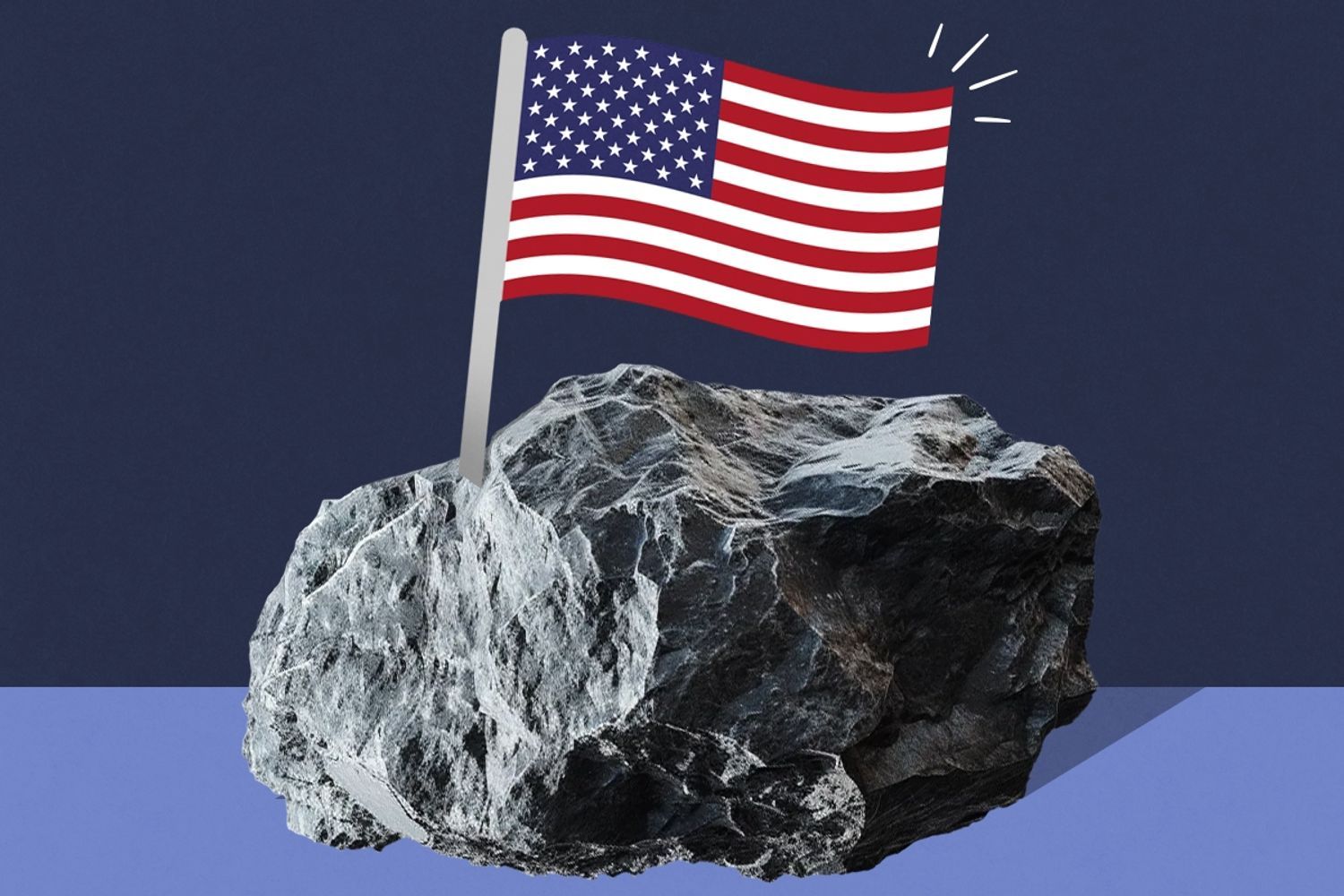
Almost all lithium-ion batteries on the market rely on graphite for their anodes, more than 90% of which is processed in China. That concentration has created a chokepoint in the Pentagon’s supply chain as the military increasingly turns to batteries to help its transportation network operate more quietly and reduce reliance on complex refueling logistics.
So when Congress passed the latest National Defense Authorization Act at the end of 2025, barring Chinese-linked battery materials from military use starting in 2028, Coreshell saw an opening. While the California-based silicon-anode battery startup had previously focused on automakers as its beachhead customers, it’s now shipping its first battery cells to the military for use on Navy ships and Army ground vehicles. On Wednesday, Coreshell announced a $30 million Series B to scale up manufacturing operations to meet the needs of this growing customer base.
“We’re entering a new stage where we’re no longer, I would say, demand limited,” Coreshell’s CEO Jonathan Tan told me. “This year we’ve had to put on second and third shifts, work nights and weekends, just to get the product out the door.”
Coreshell sets itself apart by going a step further than the NDAA requires. The law doesn’t make suppliers trace battery materials all the way back to the mine, which would be exceedingly difficult given China’s dominance across the battery supply chain. But Coreshell has nevertheless eliminated Chinese sourcing from its anodes by replacing graphite with silicon mined and refined in the U.S. by Ferroglobe, one of its Series A investors.
Ferroglobe and global investment firm Access Industries led the latest round, with defense contractor ADS also joining as a new strategic investor. The financing comes on the heels of a $50 million Department of Energy grant that Coreshell secured in August as part of a program to strengthen the domestic battery supply chain. That funding will support the company’s first commercial-scale facility, a 2-gigawatt-hour factory.
That’s about 20 times the size of the 100-ish-megawatt-hour plant the startup had originally envisioned, as the DOE grant has allowed Coreshell to “expand much further than we were originally expecting,” according to Tan. The company is now evaluating several potential U.S. sites and expects to announce its selection early next year. For now, it relies on unnamed contract manufactures, along with its small pilot line in San Leandro, to produce its cells. But once the gigafactory gets up and running, the startup plans to bring electrode production in house by 2028, followed by full cell assembly in 2029.
Building this plant will ultimately require significant additional capital. But Tan believes this latest vote of confidence from the federal government will help Coreshell to diversify its capital stack as it continues to fundraise. “That’s one of the great things about having such a notable DOE award is that it also allows us to attract multiple forms of capital,” he told me.
Silicon has long been recognized as a promising alternative material for battery anodes, as it can store far more energy than graphite. The catch is that it tends to swell during charging, causing it to break down quickly and ultimately leading to a much shorter cycle life. Coreshell says it’s extended its anode’s lifespan by giving it a proprietary coating, which Tan told me back in April essentially means “painting the inside of your battery” with an ultra-thin protective layer.
Other companies, such as Sila Nanotechnologies and Group14 Technologies, are also working to commercialize silicon anodes. But Coreshell says many of its competitors rely on more highly engineered, expensive forms of silicon, such as silane gas. By contrast, Coreshell uses metallurgical silicon, a cheap, raw commodity already widely used in aluminum alloys. That, Tan argues, gives the company a cost advantage not only over its competitors, but potentially Chinese graphite too.
Coreshell hasn’t yet demonstrated that its cells can meet the performance demands of the automotive industry, however. When the company raised its Series A in early 2025, it said it expected its automotive cells to exceed 1,000 charge cycles while retaining 80% of their original capacity. But Tan told me many defense applications don’t require such demanding performance targets, as Navy ships and ground vehicles are “not intending to have as many miles or missions or use cases on that same battery” as a consumer EV would.
That doesn’t mean the company is abandoning its automotive ambitions. As Tan pointed out, electric vehicles remain by far the largest source of global and domestic battery demand. “It’s natural for us to obviously utilize the security supply chain first,” he told me. “That allowed us to really get to commercialization, revenue, and production faster, because automotive qualification is this longer journey. But ultimately, we want to do both of those and more.”