
GLOBALVARS
TEST TEST TEST
0
Products
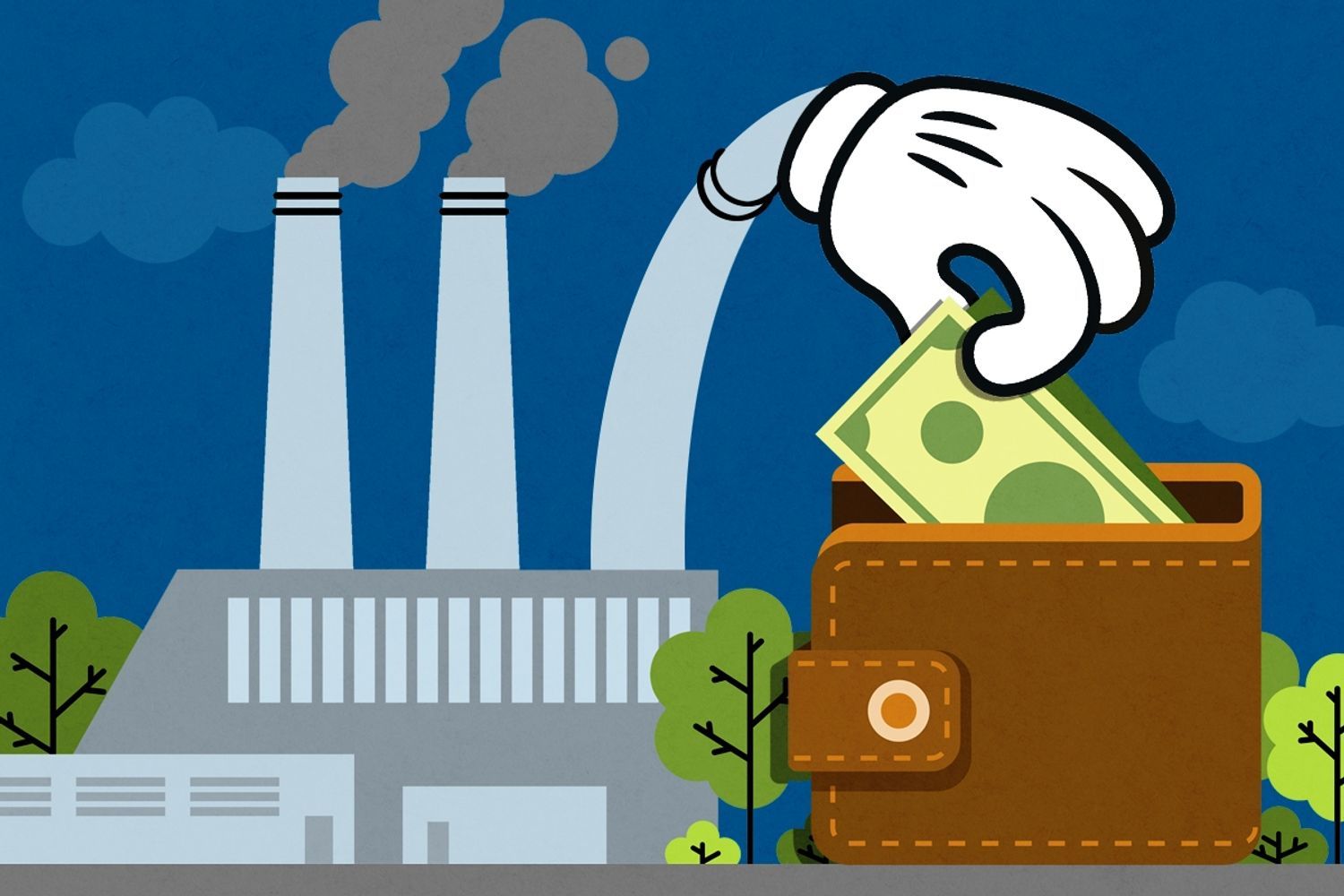
Everyone is talking about high energy prices, which were a major factor in the midterm elections. And it’s not just electricity: Families are paying 16% more for natural gas now than they were just two years ago. Within a few more years, the boom in electricity demand from data centers could add enough natural gas power plants to expand America’s gas power generation capacity by a third. Some back of the envelope math shows that the additional costs to regular customers from this expansion could total more than $23 billion across all retail gas and electricity prices by 2030.
Large users choosing gas will raise costs for the more than 70 million households in America paying a gas bill every month. It’s simple supply and demand. Some data center developers are working with utilities to connect to the grid, but many others are building their own off-grid power plants that would burn natural gas to power their operations. That would require a massive gas infrastructure build-out on top of the supply pressure, raising costs still further.
Earlier this year, hyperscalers and AI companies signed the Ratepayer Protection Pledge, committing to pay the full costs of their energy and infrastructure, “no matter what,” to avoid increasing energy costs for other customers. Agreeing to limit cost increases for energy is a good start, but the details of that pledge focused only on electricity customers, and it’s not enough to solve the problem. Almost nothing has been said on what that means for natural gas customers, or how data centers should help contain gas costs for families. As the 120th Congress, newly elected governors, and state legislators across the country consider the fastest ways to tackle volatile energy prices, they should consider a Gas Customer Protection Pledge to protect consumers from data centers contributing to surging natural gas bills.
All this new gas demand from data centers could increase costs for the rest of us in at least three ways. First, if history is any indication, the sheer volume of increased gas use will both raise gas prices and make them more volatile. Price volatility hurts poorer consumers more, with surprisingly high bills derived from market dynamics over which they have little control. Second, the pipelines, compressor stations, and other infrastructure needed to bring gas to these new facilities will cost money. Because the vast majority of utilities in America pass through both the cost of the fuel itself and the investments required to build and maintain infrastructure, these additional costs will be borne by all customers, not just the data centers.
And third — perhaps most importantly — during periods of peak system stress like winter storms or summer heat waves, all this additional gas going to data centers will make price shocks more severe. In the case of Winter Storm Fern last January, for example, natural gas prices from Chicago to Boston were 19 to 42 times higher than the national average price from the prior year.
So, how can government officials prevent all this from happening? A Gas Customer Protection Pledge would fill the gaps in the already agreed upon objective not to raise energy cost for average customers. Mirroring the points from the Ratepayer Protection Pledge, here’s how that might work.
- Building, bringing, or buying power supply: Companies committed under the Ratepayer Protection Pledge to build, bring, or buy new electricity generation needed to satisfy their energy demands. This is relatively straightforward for renewables and storage, which have zero energy costs after they’re paid for up-front, and thus avoid imposing ongoing burdens on other customers. That is not true for natural gas-fired new electricity generation resources, which require fuel purchases at uncertain costs over their lifetime. The Gas Customer Protection Pledge addresses this by requiring companies to contract and pay for their own supply, and to hold other customers blameless for incremental costs associated with additional demand for natural gas they use for their data centers. It may be difficult to determine the precise cost impacts to specific customers from this increased demand, so companies could address this by providing a meaningful contribution to assist low-income local families, whether that’s in the form of a bill credit, or support for programs that help people cut their dependence on gas (and its volatile prices) for heating their homes, or some other vehicle.
- Paying for new gas delivery infrastructure upgrades: Companies must pay for all new gas pipelines and infrastructure upgrades required to supply their data centers. They must also pay for ongoing maintenance of those pipelines and infrastructure so those costs are not borne by other customers.
- Paying whether or not they use the gas: To ensure stranded asset costs are not shifted to other customers, companies must provide upfront financial security to cover the costs of any new gas infrastructure. They must also pay exit fees if they terminate services before the infrastructure costs are recovered. (This is not a new concept — it’s typical for large electricity customers.) No portion of any incremental cost associated with new natural gas infrastructure should be allocated to other customers.
- Investing in local job Creation and workforce development: Companies must support the local communities where they build data centers, including by contributing to the local tax base to support schools, hospitals, and local emergency response programs.
- Contributing to gas system and community resilience: To avoid driving up natural gas prices when supply is tight, companies must agree to let other customers “go first” during periods of system stress, such as extreme weather events. Gas for heating and electricity for homes should get priority, and companies should agree to curtail their use of gas during those times. OpenAI just pledged this on electricity, so why not do the same for gas?
To address energy affordability in the long run, finite resources are best spent moving energy systems off fossil fuels to improve public health and reduce greenhouse gas emissions. In the meantime, we must make efforts today to control natural gas costs. America’s energy affordability crisis needs answers today, not down the road.
Now is the time for a Gas Customer Protection Pledge that builds out the other half of the commitment already made by hyperscalers and AI companies not to increase energy bills for other customers.