GLOBALVARS
TEST TEST TEST
0
Products
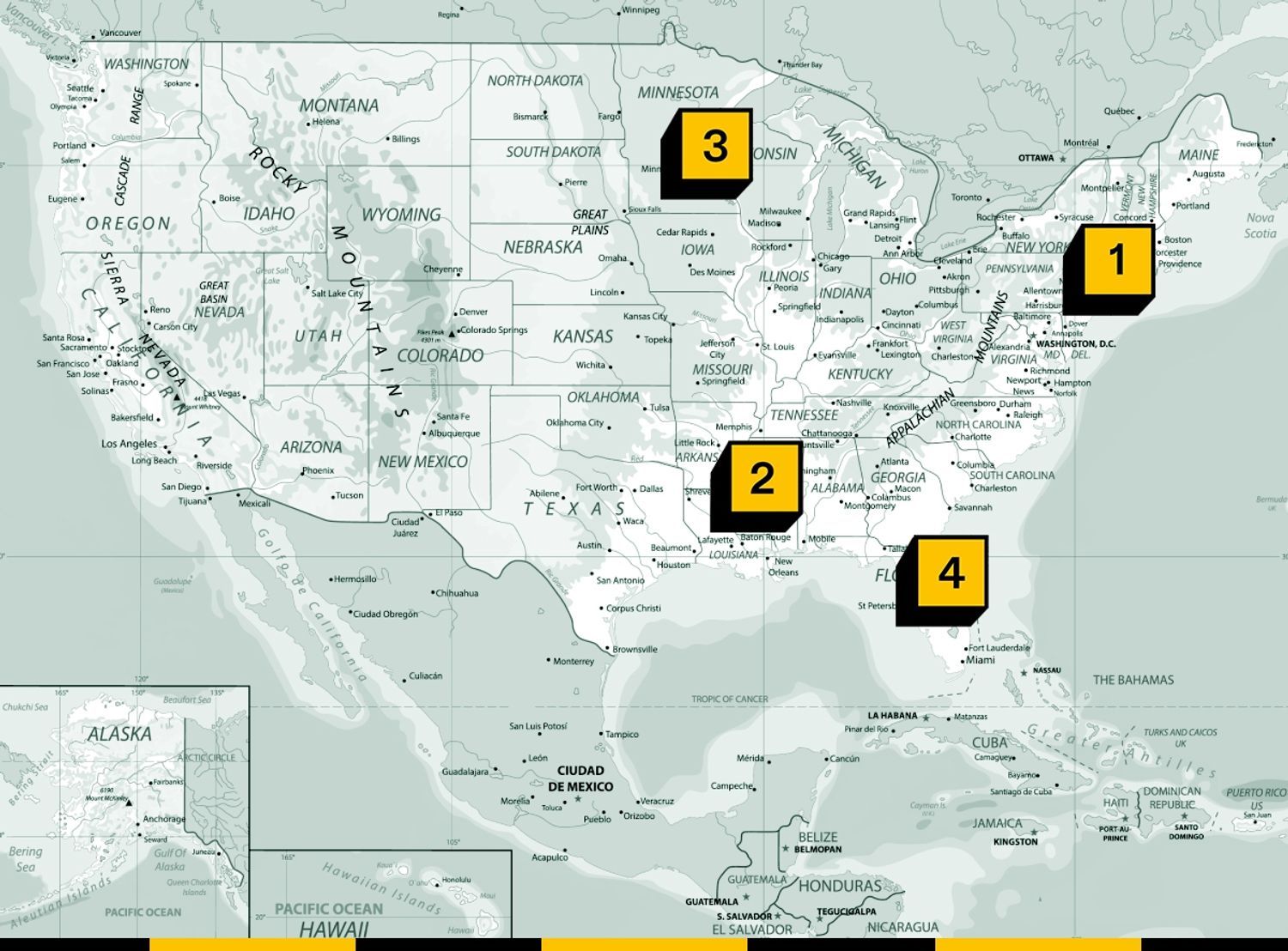
1. New York City — We have a new must-watch offshore wind lawsuit with potential implications for the entire sector — and this time, it’s from lobstermen seeking damages.
- In late October, a family of lobstermen sued Equinor in federal court claiming the company’s compensatory mitigation program is failing to adequately make up for alleged negative impacts to lobster fishing grounds in the New York Bight. According to the lawsuit, the wind project irreparably hurt fishing in previously trafficked waters. The suit also claims that Empire Wind construction destroyed lobster fishing pots and seeks at least $75,000 in damages as well as punitive damages and attorneys’ fees.
- The lawsuit is the first I have seen involving someone in aquaculture suing for damages over negative impacts of an already-constructed wind project, and it carries outsized implications as the Trump administration remands without vacatur the construction and operations plans for other offshore wind farms. This case is far from being decided, but that doesn’t matter: It is precisely the kind of complaint that Trump officials are likely to consider as they mull revisions to operational plans.
- An Equinor spokesman declined to comment on the case, telling me they don’t speak on pending litigation.
2. Hinds County, Mississippi — The largest proposed solar farm in Mississippi is moving forward after an appeals court rejected arguments from aggrieved local residents that it had been improperly approved.
- The Mississippi Court of Appeals this week sided with Apex Clean Energy’s Soul City solar-plus-storage project in a challenge to a lower court ruling that affirmed the project’s county-level permits. Opponents of the solar farm raised nearly $4,000 in legal fees to fight the project and, well, it seems those fees were for nought.
- In the 6-4 ruling, the court’s majority found that Hinds County satisfied the requirements of its land use ordinances in approving the Soul City project. A minority of the court dissented, writing the county failed to sufficiently document its reasoning for the permits. You can read the full opinion here. (It’s worth noting all the justices on this appeals court are non-partisan and elected.)
- Few if any utility scale solar farms in Mississippi resemble the nearly 4,000-acre Soul City project in Hinds County, the most populated county in the southeastern state. It’s also not a surprise this county became so fraught for development like this with agricultural land taking up more than 40% of the county, according to Heatmap Pro data.
3. Dakota County, Minnesota — I’m scrutinizing a lawsuit against a data center developer centering on allegedly improper permitting of its cooling technology.
- The city of Eagan in northern Minnesota sued Eagan Capital, a data center company, for operating “temporary chillers” mounted on trailers without getting local permits. According to the city, Eagan Capital has ignored stop work orders and enforcement actions “over the past several months.” This happens as Eagan Capital is separately suing the city to overturn a moratorium on data center permits — which explains why they’re so gung ho about ensuring proper approvals happen.
- This is the first time I’ve seen chillers on trailers referenced as an issue, but diesel generators carried on mobile platforms has been an ongoing issue at other projects, like the xAI Colossus facilities in the Memphis metro area in Tennessee and Mississippi.
4. Polk County, Florida — Will the Sunshine State remain a challenging place for data centers after Ron DeSantis? A test case could reveal the future quite quickly.
- Governor-elect Byron Donalds’ victory over Democrat David Jolly in this year’s Florida gubernatorial election was one of the few bright spots for the data center industry politically this year, as Donalds was softer on the sector compared to Jolly, who backed a statewide moratorium.
- Now James Fishback, Donalds’ GOP primary challenger, is pressing his ex-opponent to support blocking a data center in Auburndale, which sits west of Tampa on the route to Orlando. The project has gotten requisite land use zoning changes, but Fishback wants the state to intervene where it can to side with local opponents. It’s precisely the sort of thing DeSantis has done to other data center projects, including this project at Indian River State College.