
Current conditions: In the Pacific Northwest, parts of the Olympics and Cascades are set for two feet of rain over the next two weeks • Australian firefighters are battling blazes in Victoria, New South Wales, and Tasmania • Temperatures plunged below freezing in New York City.
THE TOP FIVE
1. New defense spending bill makes nuclear power a ‘strategic technology’
The U.S. military is taking on a new role in the Trump administration’s investment strategy, with the Pentagon setting off a wave of quasi-nationalization deals that have seen the Department of Defense taking equity stakes in critical mineral projects. Now the military’s in-house lender, the Office of Strategic Capital, is making nuclear power a “strategic technology.” That’s according to the latest draft, published Sunday, of the National Defense Authorization Act making its way through Congress. The bill also gives the lender new authorities to charge and collect fees, hire specialized help, and insulate its loan agreements from legal challenges. The newly beefed up office could give the Trump administration a new tool for adding to its growing list of investments, as I previously wrote here.
2. MAHA activists push Trump to fire EPA chief
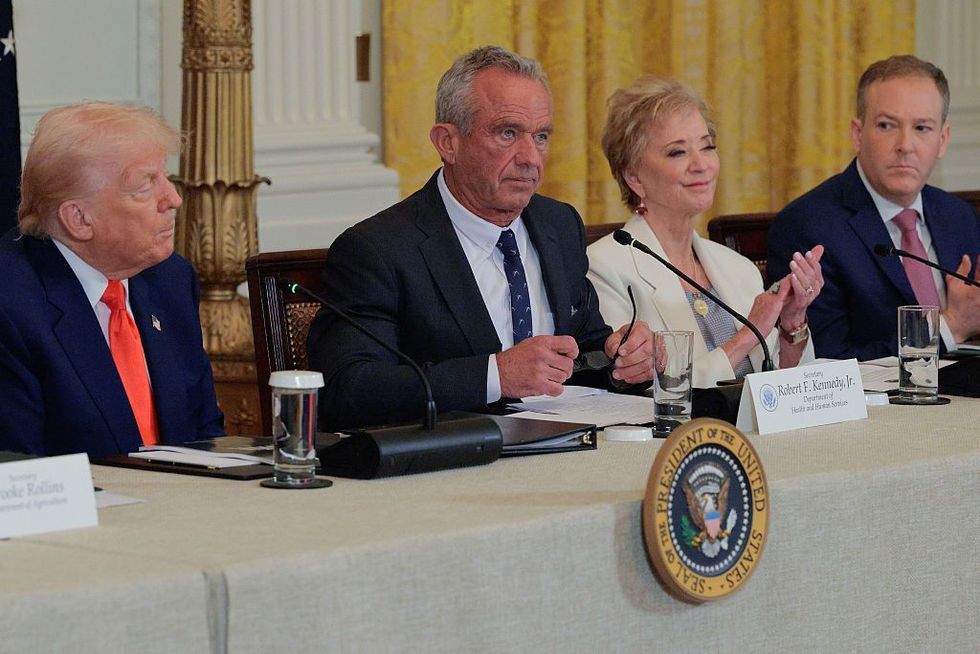
The “Make America Healthy Again” wing of President Donald Trump’s political coalition is urging the White House to fire Environmental Protection Agency Administrator Lee Zeldin over his decisions to deregulate harmful chemicals. In a petition circulated online, several prominent activists aligned with the administration’s health secretary, Robert F. Kennedy, Jr., accused Zeldin of having “prioritized the interests of chemical corporations over the well-being of American families and children.” As of early Friday afternoon, The New York Times reported, more than 2,800 people had signed the petition. By Sunday afternoon, the figure was nearly 6,000. The organizers behind the petition include Vani Hari, a MAHA influencer known as the Food Babe to her 2.3 million Instagram followers, and Alex Clark, a Turning Point USA activist who hosts what the Times called “a health and wellness podcast popular among conservatives.”
The intraparty conflict comes as one of Zeldin’s more controversial rollbacks of a Biden-era pollution rule, a regulation that curbs public exposure to soot, is facing significant legal challenges. A lawyer told E&E News the EPA’s case is a “Hail Mary pass.”
3. Congo curbs cobalt exports
The Democratic Republic of the Congo, by far the world’s largest source of cobalt, has slapped new export restrictions on the bluish metal needed for batteries and other modern electronics. As much as 80% of the global supply of cobalt comes from the DRC, where mines are notorious for poor working conditions, including slavery and child labor. Under new rules for cobalt exporters spelled out in a government document Reuters obtained, miners would need to pre-pay a 10% royalty within 48 hours of receiving an invoice and secure a compliance certificate. The rules come a month after Kinshasa ended a months-long export ban by implementing a quota system aimed at boosting state revenues and tightening oversight over the nation’s fast-growing mining industry. The establishment of the rules could signal increased exports again, but also suggests that business conditions are changing in the country in ways that could further complicate mining.
With Chinese companies controlling the vast majority of the DRC’s cobalt mines, the U.S. is looking to onshore more of the supply chain for the critical mineral. Among the federal investments is one I profiled for Heatmap: an Ohio startup promising to refine cobalt and other metals with a novel processing method. That company, Xerion, received funding from the Defense Logistics Agency, yet another funding office housed under the U.S. military.
Sign up to receive Heatmap AM in your inbox every morning:
4. China and France tighten ties over nuclear energy
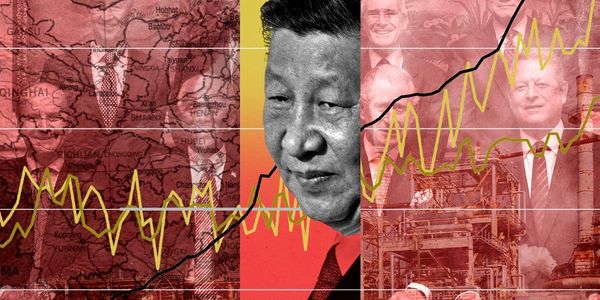
Last month, I told you about China’s outreach to the rest of the world, including Western European countries, to work together on nuclear fusion. The U.S. cut off cooperation with China on traditional atomic energy back in 2017. But France is taking a different approach. During a state visit to Beijing last week, French President Emmanuel Macron “failed to win concessions” from Chinese leader Xi Jinping, France24 noted. But Paris and Beijing agreed to a new “pragmatic cooperation” deal on nuclear power. France’s state-owned utility giant EDF already built a pair of its leading reactors in China.
The U.S. has steadily pushed the French out of deals within the democratic world. Washington famously muscled in on a submarine deal, persuading Australia to drop its deal with France and go instead with American nuclear vessels. Around the same time, Poland — by far the biggest country in Europe to attempt to build its first nuclear power plant — gave the American nuclear company Westinghouse the contract in a loss for France’s EDF. Working with China, which is building more reactors at a faster rate than any other country, could give France a leg up over the U.S. in the race to design and deploy new reactors.
5. A bellwether coal plant in Indonesia seeks a life extension
It’s not just the U.S. backpedaling on climate pledges and extending operations of coal plants set to shut down. In smog-choked Indonesia, which ranks seventh in the world for emissions, a coal-fired plant that Bloomberg described as a “flagship” for the country’s phaseout of coal has, rather than shut down early, applied to stay open longer.
Nor is the problem reserved to countries with right-wing governance. The new energy plan Canadian Prime Minister Mark Carney, a liberal, is pursuing in a bid to leverage the country’s fossil fuel riches over an increasingly pushy Trump means there’s “no way” Ottawa can meet its climate goals. As I wrote last week, the Carney government is considering a new pipeline from Alberta to the West Coast to increase oil and gas sales to Asia.
THE KICKER
There’s a new sheriff in town in the state at the center of the data center boom. Virginia’s lieutenant governor-elect Ghazala Hasmi said Thursday that the incoming administration would work to shift policy toward having data centers “pay their fair share” by supplying their own energy and paying to put more clean power on the grid, Utility Dive reported. “We have the tools today. We’ve got the skilled and talented workforce. We have a policy roadmap as well, and what we need now is the political will,” Hashmi said. “There is new energy in this legislature, and with it a real opportunity to build new energy right here in the Commonwealth.”