Current conditions: From Cleveland to Syracuse, cities on the Great Lakes are bracing for heavy snowfall • Rainfall in Northern California could top 6 inches today • Thousands evacuated in the last few hours in Taiwan as Typhoon Fung-wong makes landfall.
THE TOP FIVE
1. Deal to end government shutdown kills off USDA climate hubs
The bill that would fund the government through the end of the year and end the nation’s longest federal shutdown eliminates support for the Department of Agriculture’s climate hubs. The proposed compromise to reopen the government would slash funding for USDA’s 10 climate hubs, which E&E News described as producing “regional research and data on extreme weather, natural disasters and droughts to help farmers make informed decisions.”
There were, however, some green shoots. A $730 million line item in the military’s budget could go to microgrids, renewables, or nuclear reactors. The bill also contains millions of dollars for the cleanup of so-called forever chemicals, which had stalled under the Trump administration. Still, the damage from the shutdown was severe. As Heatmap reported throughout the record-breaking funding lapse, the administration slashed funding for a backup energy storage system at a children’s hospital, major infrastructure projects in New York City, and droves of grants for clean energy.
2. Trump’s pro-gas policies are upending global fossil fuel forecasts
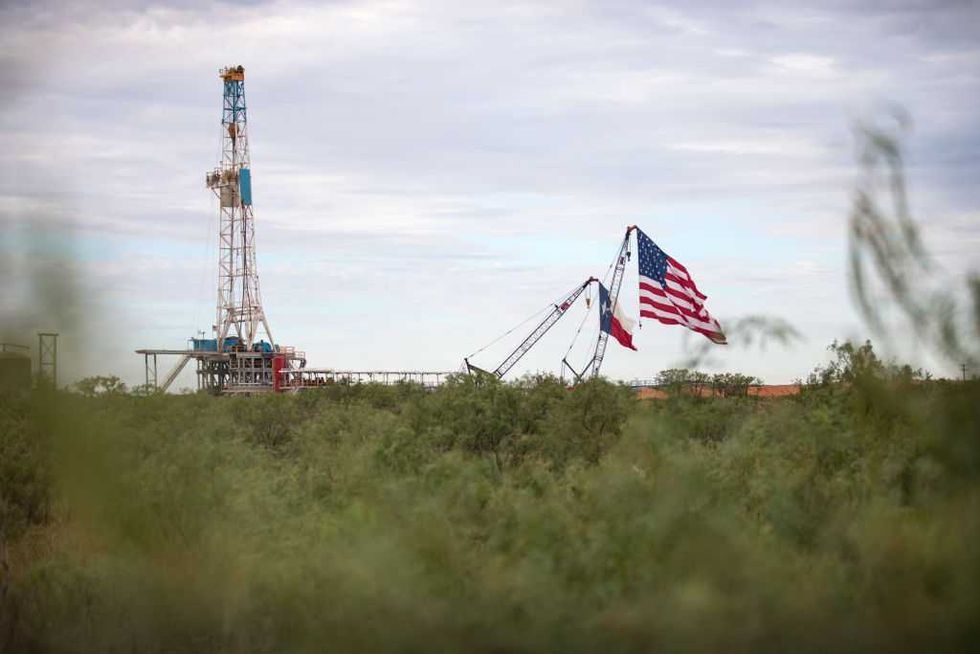
Call it American exceptionalism. The effects of President Donald Trump’s One Big Beautiful Bill Act and America’s world-leading artificial intelligence development “have meaningfully altered” the International Energy Agency’s forecasts of global fossil fuel usage and emissions, Heatmap’s Matthew Zeitlin wrote this morning. The trajectory of global temperature rise may be, as I have written in this newsletter, so far largely unaffected by the new American administration’s policies. But multiple scenarios outlined in the Paris-based IEA’s 2025 World Energy Outlook predict “gas demand continues growing into the 2030s, due mainly to changes in U.S. policies and lower gas prices.”
That stands in contrast to China, a comparison that was inevitable this week as the world gathers for the United Nations climate summit in Belém, Brazil — the first that Washington is all but ignoring as the Trump administration moves to withdraw the U.S. from the Paris Agreement. As I wrote here yesterday, China's emissions remained flat in the last quarter, extending a streak that began in March 2024.
Sign up to receive Heatmap AM in your inbox every morning:
3. A giant wind project in New Jersey is getting killed
Heatmap’s Jael Holzman had a big scoop last night: Yet another offshore wind project on the East Coast is kaput. The lawyers representing the Leading Light Wind offshore project filed a letter on November 7 to the New Jersey Board of Public Utilities informing the regulator it “no longer sees any way to complete construction and wants to pull the plug,” Jael wrote. “The Board is well aware that the offshore wind industry has experienced economic and regulatory conditions that have made the development of new offshore wind projects extremely difficult,” counsel Colleen Foley wrote in the letter, a copy of which Jael got her hands on. The project was meant to be built 35 miles off New Jersey’s coast, and was expected to provide about 2.4 gigawatts of electricity to the power-starved state.
It’s the latest casualty of Trump’s “total war on wind,” and comes as other projects in Maryland and New England are fighting to retain permits amid the administration’s multi-agency onslaught.
4. Colorado utility pushes to keep a coal plant open for longer
Xcel Energy proposed extending the life of its Comanche 2 coal-fired power plant for 12 months past its shutdown date in December. The utility giant, backed by state officials and consumer advocates, told the Colorado Public Utilities Commission on Monday that maintaining power production from the 50-year-old unit was important as the power plant scrambled to maintain enough power generation following the breakdown of the coal plant's third unit. The 335-megawatt Comanche 2 generator in Pueblo is expected to get approval to keep running. “We need it for resource adequacy and reliability, underlining that need for reliability and resource adequacy are central issues,” Robert Kenney, CEO of Xcel Energy’s Colorado subsidiary, told The Colorado Sun. The move comes as Trump’s Department of Energy is ordering coal plants in states such as Michigan to keep operating months past closure deadlines at the cost of millions of dollars per month to ratepayers, as I have previously written.
Pennsylvania, meanwhile, may be preparing to withdraw from the Regional Greenhouse Gas Initiative, the cap-and-trade market in which much of the Northeast’s biggest states partake. A state budget deal described by Spotlight PA reporter Stephen Caruso on X would remove the commonwealth from the market.
5. Germany and Spain pledge $100 million to a global adaptation fund
Germany and Spain vowed to give $100 million to the World Bank’s Climate Investment Funds, a $13 billion multilateral financing pool to help poor countries deal with the effects of climate change. The funding, announced Monday at an event at the U.N.’s Cop30 summit in Brazil, is “an opportunity too large to ignore,” Tariye Gbadegesin, chief executive officer of Climate Investment Funds, said in a statement. While mitigation work has long held priority in international lending, adaptation work to give some relief to the countries that contributed the least to climate change but pay the highest tolls from extreme weather has often received scant support. In his controversial memo calling for a sober, new direction for global funding, billionaire philanthropist Bill Gates called on countries to take adaptation more seriously. For more on what he said, read the rundown Heatmap’s Robinson Meyer wrote.
THE KICKER
Right in time for the region’s most iconic season, when even celebrants in farflung parts of this country think of the old Puritan lands during Halloween and Thanksgiving, I bring to you what might be the most New England story ever. A blade broke off a wind turbine near Plymouth, Massachusetts, last week and landed in — get ready for it — a cranberry bog. The roughly 90-foot blade left behind debris, but “no one was hurt, and the turbine automatically shut itself down as designed,” the local fire chief said.