GLOBALVARS
TEST TEST TEST
0
Products
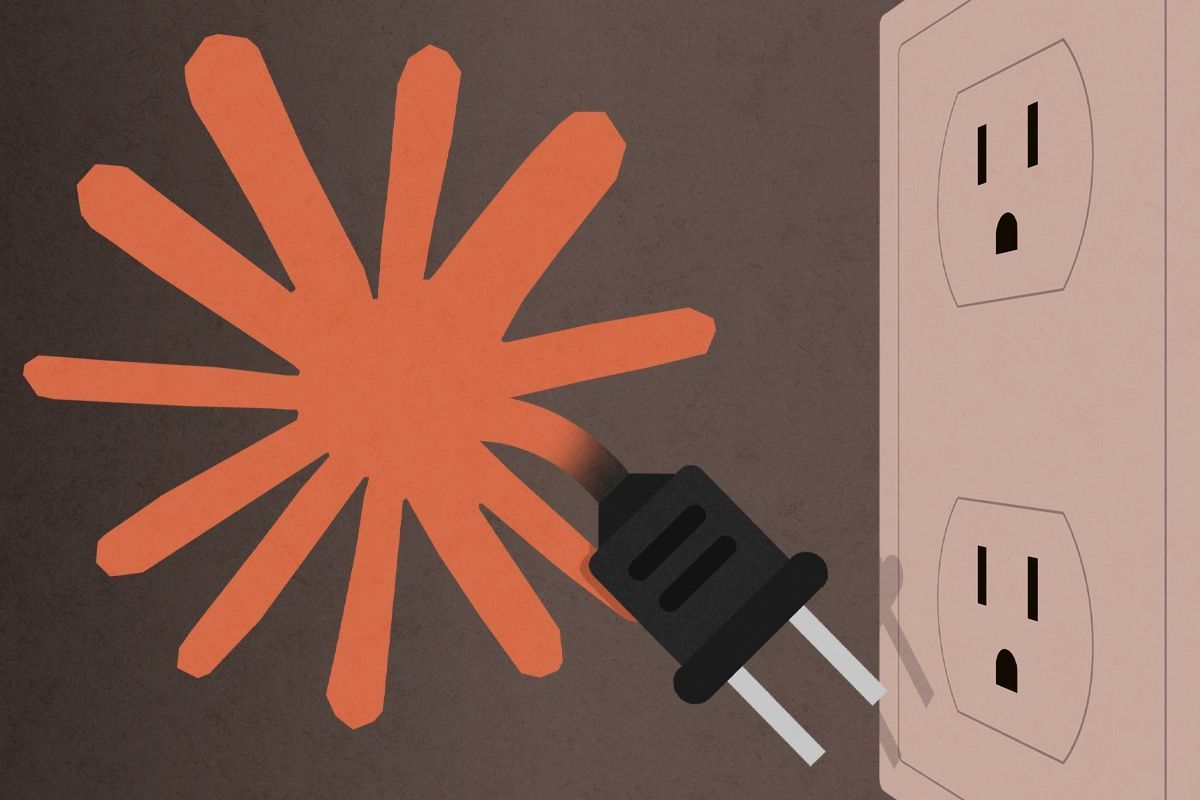
Anthropic is worried about its ability to power data centers.
While much of the company’s more-than-330-page filing for its planned initial public offering focuses on the mundane (executive compensation) and the extraordinary (“existential risks” are mentioned three times), considerable space is devoted to the problems of power.
The word “energy” appears 14 times in the section of the document laying out risks to Anthropic’s business, while “climate” or “climate change” is mentioned four times.
The overarching concern the company has is that it might not get enough power for data centers running its large language models. “Delays in securing energy, water, and other critical services for these facilities could further slow the pace at which newly commissioned compute becomes available for use,” is one representative sample from its risk factors section. The document later notes that “our business may face increased scrutiny related to these activities … including from the investment community and the local communities in which we operate,” in a later section on environmental, social, and governance standards.
Anthropic is also concerned with the pace of the energy infrastructure build-out more generally, noting “the construction of the generation and transmission infrastructure on which we depend is itself capital-intensive and exposed to labor shortages, supply chain disruptions, permitting delays, changes in interest rates, tariffs, other cost overruns, and financing constraints.” These concerns will be familiar to anyone following the debate in Washington, D.C., over permitting reform, which is also centered on making transmission easier and cheaper to build.
Later in the document, Anthropic writes that electricity policy is both highly varied across the country — “Grid-tied electrical supply, for instance, is subject to the jurisdiction of federal and state energy regulators, regional grid operators, and public utility commissions” — and also evolving, noting specifically that “environmental standards applicable to power generation continue to evolve, including as a result of changing governmental priorities and shifting public and political views regarding climate change and the appropriate treatment of various power generation sources.”
The risk of these policies is that they could result in “failure to secure access to adequate electrical power,” which could then “adversely affect our cost structure and limit our ability to scale our compute infrastructure, develop and deploy our models, and service our customers.”
Anthropic also acknowledges energy can be quite expensive, writing that costs are “largely outside of our control” and can “rise sharply during periods of peak demand or constrained supply, and such increases in energy costs could adversely affect our results of operations.”
Anthropic is the charter member of an industry group, along with Nvidia and Google, to promote and enable demand flexibility, which would reduce peak demand — and thus bring down electricity prices and alleviate the need for additional new infrastructure — by having data centers draw down their power usage when demand was at its highest. The company notes that it has also signed on to “voluntary commitments to offset the impact of our data center energy consumption on local communities and electricity ratepayers.” Already, the document says, “these commitments have increased, and we expect will continue to increase, our operating costs.”
And while the document has little to say about climate change per se and even less about sustainability and renewables, it does note that “the physical effects of climate change may increase our operating costs over time, as higher average temperatures can increase the power consumption and water usage required to cool equipment at the facilities on which we depend.”
Climate change also acts as an amplifier for potential disasters that could affect the company. “The impact of climate change may increase these risks,” the company says of “war, terrorist attacks, and other acts of political violence, or any significant natural disaster, such as an earthquake, fire, hurricane, tornado, flood, or significant power outage.”
Specifically, Anthropic calls out climate-related risk specific to the Bay Area, where it is headquartered. Or, as it bloodlessly describes it, “a region known for seismic activity and increasingly for the threat of fires.”
Otherwise, climate change and sustainability policy is largely seen as a regulatory and cost burden. For example, “regulations relating to [environmental, social, and governance] matters, including environmental sustainability and climate change, are under consideration, being adopted, or being rolled back or revised, which may impact our necessary disclosures and increase compliance costs,” and “sustainability initiatives, goals, or commitments could be difficult to achieve or costly to implement.”
It notes a variety of California, European Union, and United Kingdom climate disclosure laws “will require the dedication of significant time and resources” while also observing that “across the United States ... enacted or proposed ‘anti-ESG’ policies or legislation or have issued related legal opinions,” which could “expose any sustainability, employment, governance, or other corporate practices we adopt to the risk of litigation, antitrust investigations or challenges by federal or state authorities, and result in injunctions, penalties, and reputational harm.”
The document is far less detailed about what Anthropic and its products could do to alleviate or prevent climate change and its effects. This is not surprising for a regulatory filing concerned with disclosing corporate information and outlining risks to investors — but the filing is also supposed to explain the business opportunities it sees as well. In that regard, climate is relegated to a laundry list of potential scientific projects Anthropic’s products could be helpful with. “Claude is also being applied to pressing global problems in scientific research, drug discovery, education, and climate analysis,” it writes.
If its S-1 is any indication, there will be a lot of work to do.