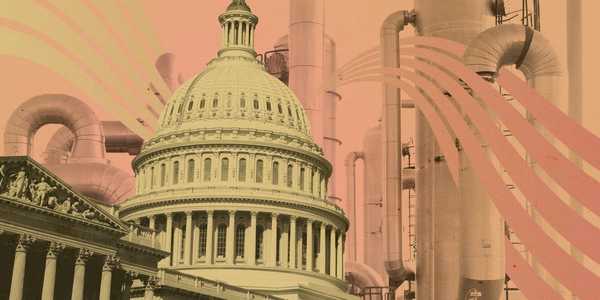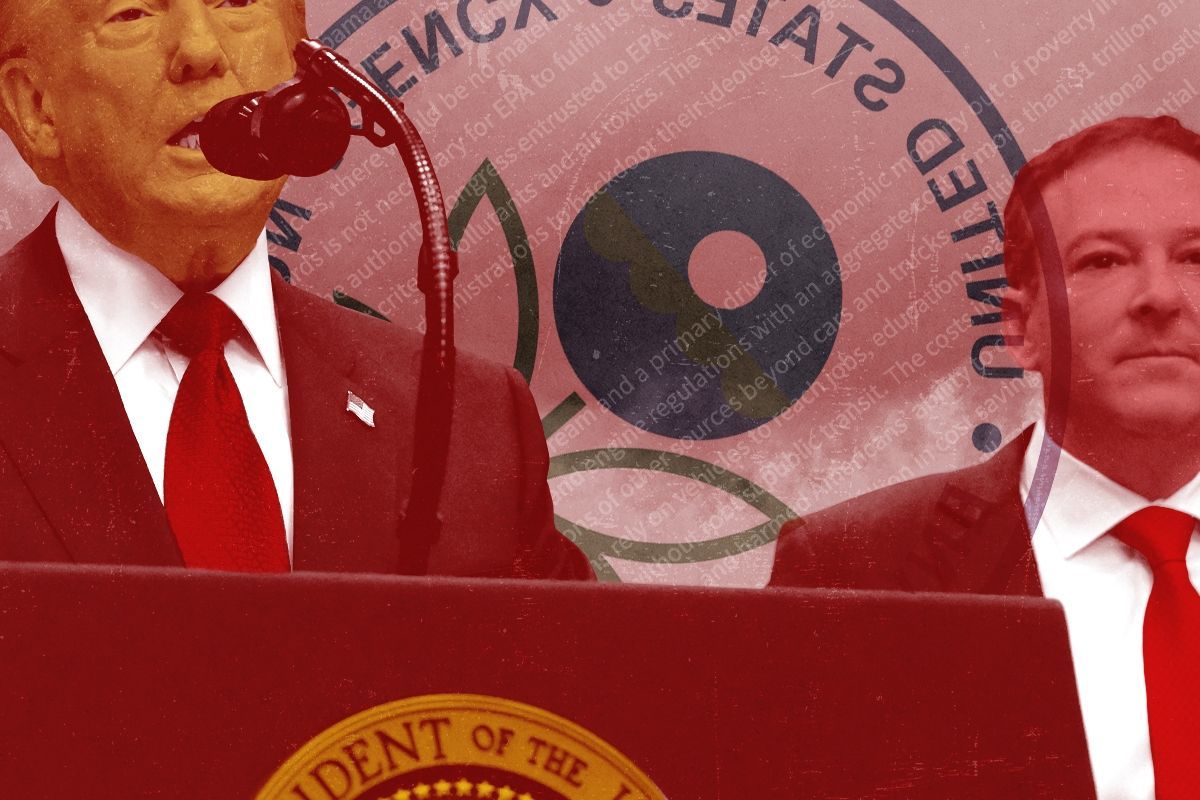
President Trump announced on Thursday that he was repealing the Environmental Protection Agency’s scientific determination that greenhouse gases are dangerous to human health and the natural world.
The signal move would hobble the EPA’s ability to limit heat-trapping pollution from cars, trucks, power plants, and other industrial facilities. It is the most aggressive attack on environmental regulation that the president and his officials have yet attempted.
The move, which was first proposed last summer, has major legal implications. But its importance is also symbolic: It brings the EPA’s official view of climate change much closer to President Trump’s false but long-held claim that anthropogenic global warming — which scientists have long affirmed as a major threat to public health and the environment — is in fact a “con job,” “a hoax,” and a “scam.”
While officials in the first Trump administration frequently sought to undermine climate regulation, arguing that the government’s climate rules were unnecessary or a waste of time and money, they did not formally try to undo the agency’s scientific determination that heat-trapping pollution was dangerous.
The move is only the most recent of a long list of attacks on environmental protections — including the partial rollback of the country’s first climate law, the Inflation Reduction Act, enacted last summer — that Trump and congressional Republicans have overseen since taking office last January.
Several environmental and public health organizations, including the American Lung Association and the Environmental Defense Fund, have vowed to challenge the move in court. The EPA has not yet published the legal documents formalizing the repeal.
Here is what we know — and don’t know — about the repeal for now:
- The administration is describing it as “the single largest deregulatory action in American history.” Trump largely skirted the environmental implications of his move — although he did say, somewhat nonsensically, that the EPA’s Obama-era endangerment finding was the basis for “the Green New Deal.”
- EPA Administrator Lee Zeldin stressed that the repeal would bring quality-of-life improvements to new cars. He claimed that the repeal would lead automakers to omit the “automatic stop-start” technology that shuts off car engines at stoplights. (It’s not clear why the EPA couldn’t make this change on its own under existing law.) An EPA press release described this feature as “almost universally hated.”
- This queues up a Supreme Court battle. The EPA’s press release says it concluded that the Clean Air Act does not give the agency authority to regulate greenhouse gases from vehicles — which is the opposite of the opinion the Supreme Court reached in the landmark 2007 case Massachusetts vs. EPA. The agency contends that more recent court decisions warranted reevaluation.
- Neither Trump nor Zeldin referred to the Department of Energy’s failed climate science report. The Energy Department had initially sought to undermine the greenhouse gas endangerment finding by publishing a contrarian report about climate science. The experience was an embarrassment. Secretary Chris Wright’s summary of the report’s findings was not in line with its conclusions and bordered on open climate denial. The Energy Department ultimately chose to disband the group behind the report, which was lambasted by federal scientists, rather than face a lawsuit arguing that the group had been unlawfully convened. It’s still unclear whether the administration will cite the report or make an argument about climate science in its final decision.