GLOBALVARS
TEST TEST TEST
0
Products
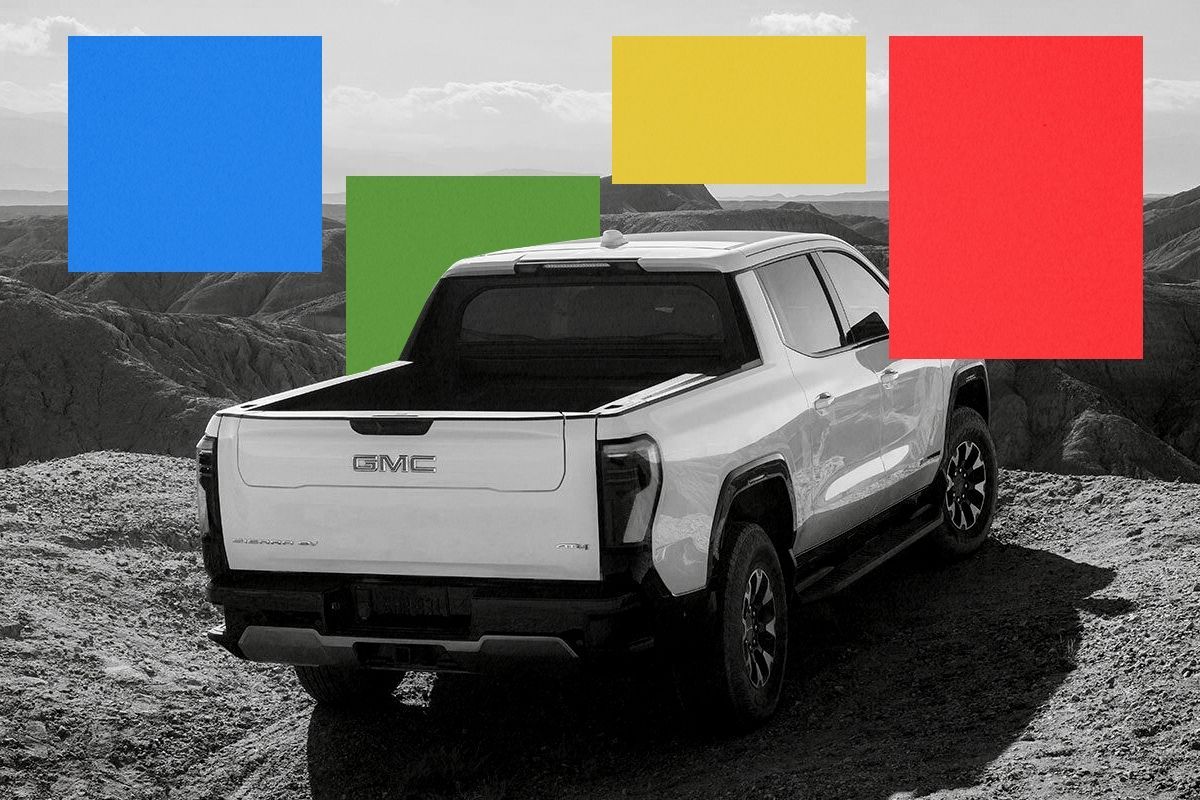
There are two big trends in the American battery sector at the moment. The first is that the electric vehicle market is deteriorating. GM, for instance, sold just 25,000 EVs in the third quarter of this year. Ford sold 6,000 EVs. Even the long-awaited return of the Chevy Bolt sold just 8,000 units — a small fraction of the vehicle’s already-limited production run. At the same time, the data center boom and the return of electricity growth is boosting batteries of all kinds not designed to power EVs.
Our guest today is in charge of navigating those opposing trends and figuring out what comes next. Kurt Kelty started his career at Panasonic in 1993, where he led the company’s battery research lab. He then went on to Tesla, helping to build the first Gigafactory. Since February 2024, he’s been vice president of battery and sustainability at GM. We talked about manufacturing generally, how the U.S. battery manufacturing sector should look, and how companies should be structured to compete globally, even though they’re making batteries for a mostly U.S. audience.
Shift Key is hosted by Robinson Meyer, the founding executive editor of Heatmap News.
Subscribe to “Shift Key” and find this episode on Apple Podcasts, Spotify, Amazon, YouTube, or wherever you get your podcasts.
You can also add the show’s RSS feed to your podcast app to follow us directly.
Here is an excerpt from their conversation:
Robinson Meyer: In 2024, GM retired the Ultium brand, except for the Ultium cells. And I would say that as an outsider, unlike other domestic automakers, the whole GM stack — where you have a single battery design that you then slot into different vehicles — seems to be working, and certainly seems to be producing profitable vehicles in a way that other automakers’ approaches were not.
So why retire the Ultium name? In traditional automakers, you talk about platforms and different cars designed on the same platform. But are there going to be a few platforms at GM, each with their own chemistry, and then you design different vehicles on top of that? Why get rid of Ultium when it seemed to be working?
Kurt Kelty: Yeah, so the way I look at the future when EV volumes really start to ramp up, we’re going to need prismatic form factor, pouch form factor, cylindrical form factor. We’re going to need nickel cell, high-nickel cells. We’re going to need some LMR cells. We’re going to need some LFP cells. We’re going to need it all. What we do here at GM is we design the right battery for the right application. And generally, depending on the need, you may need high-nickel. You may need LFP. Most likely, you’re going to need LMR in most of our applications. That’s what we think. And in some cases, the prismatic form factor will work best. In other cases, the cylindrical form factor will work best.
I do not see a future where we’re standardizing on a single chemistry or a single form factor. We tried to do that in the battery industry in the late ’90s when I was in the business, and all the laptop companies got together and said, we’re going to make a standard form factor, so we’re going to drive down costs. We made the form factor. Everybody signed up for it. Nobody used it. And nobody used it because it was ... The way to really customize your laptop was the battery. Everything else had been standardized.
At that point they had the hard drive, you had the floppy and the screen, and all those were standard components. The battery was the way you made it custom. And with EVs, it’s the same thing. The battery is going to decide your driving range, your acceleration, your space in the car, your safety of the car. I mean, it just determines so much about how fast you can charge it. All these things are determined by the battery. And so you’re not going to see a standard.
And so at GM, we are preparing for that by having this battery innovation center, this electrification powerhouse that we’ve got. It’s something that we’re really proud of. And in the future, we’re going to really take advantage of this.
You can find a full transcript of the episode here.
Mentioned:
The Senate’s Big Bipartisan Permitting Deal, Explained
On Rivian’s record-setting Q3
Previously on Shift Key: Data Centers Are Creating a New Kind of Battery Monster
This episode of Shift Key is sponsored by ...
RE+ 26 is the largest clean energy event in North America, happening November 16th through 19th at the Las Vegas Convention Center. Register at re-plus.com and use code SHIFTKEY20 to save 20% off a Full Conference pass.
Every year Giving Green researches the top climate nonprofits and sends 100% of every dollar donated to its Giving Green Fund straight to them. Make your first gift before the new year, and it will be matched up to $500. Go to GivingGreen.earth/Shift.
Formed through a joint venture between Wärtsilä and RCT Solutions, Valo helps utilities, independent power producers, and developers navigate market and grid complexity without sacrificing system performance. Learn more at valoenergy.com.