GLOBALVARS
TEST TEST TEST
0
Products
This is Heatmap Daily, an evening news digest written by our executive editor. Subscribe here.
At this point, the real October surprise may be the lack of one — because little seems set to change in the U.S. energy economy between now and the midterm elections on November 3.
Inflation certainly isn’t budging. Prices rose 3.7% over the past year, and 0.6% in September alone, according to today’s new government inflation report. That reading was hot — a tenth of a percent above what economists expected.
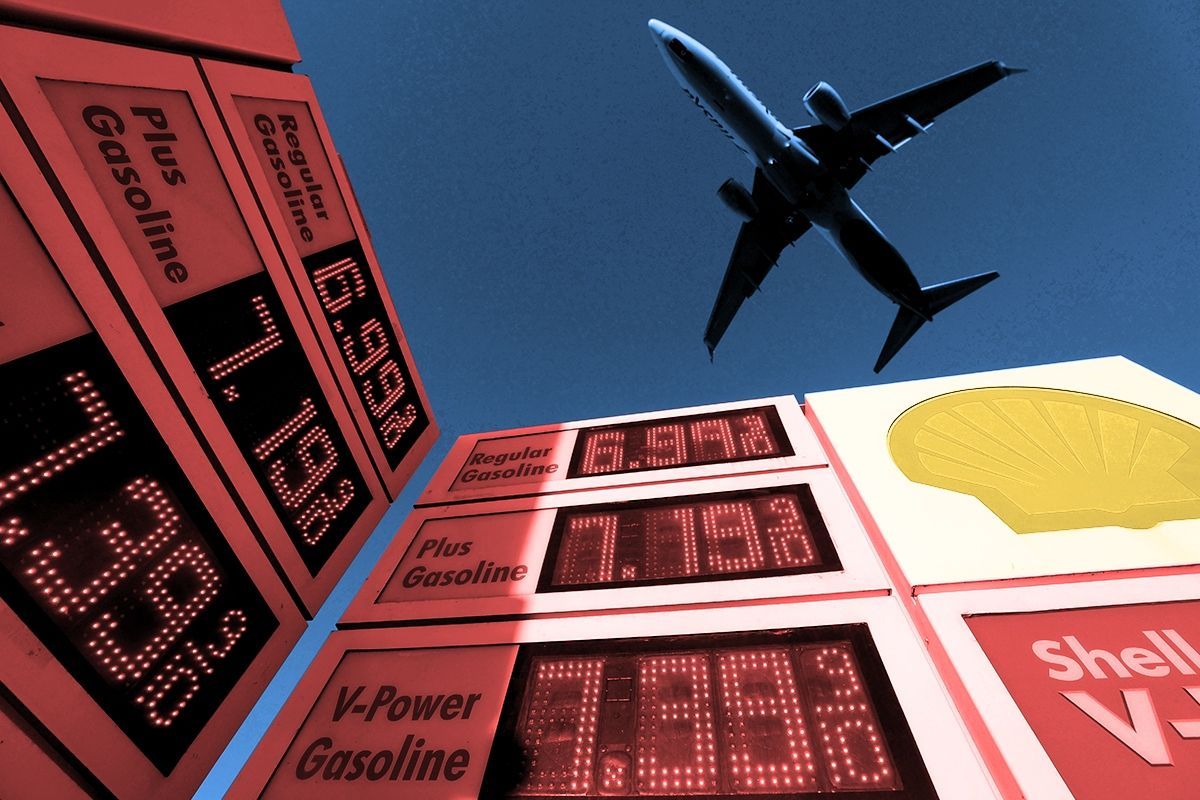
Surging gasoline and especially diesel fuel prices were to blame. Gasoline prices rose 9.1% last month, which pushed up prices above the economy: Transportation services, a category that includes airfare and Uber rides, increased by 0.6%, while food prices rose by 0.6%. (Read my colleague Matthew Zeitlin on how rising diesel costs can jack up food prices.) Staggeringly, fuel oil prices rose 15.3% — an eye-popping reading for a report where figures are usually in the tenth of a percent.
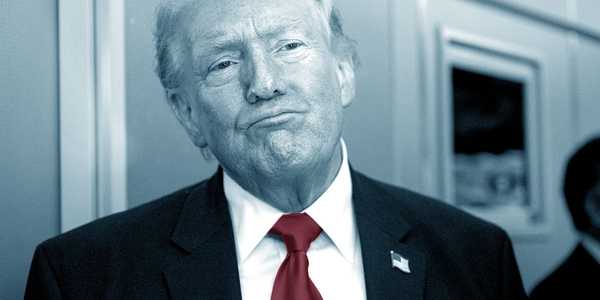
President Trump seems to be running out of time to repair the U.S. energy economy before Americans elect the last Congress of his presidency. His last-minute deal to free up 2.25 millions barrels of oil from Russia this month — with another 11 million or so to come afterward — seems unlikely to lower diesel prices, given that it represents only a few days of U.S. demand. (The deal has already succeeded in undermining Ukraine, however, and led six Republican senators to rebuke him this week.) Meanwhile, Election Day is in 20 days, and Americans are already voting in 20 states.
This is not how the Trump administration was supposed to play out — at least not according to its proponents. Trump in 2024 ran on taming the energy inflation that had plagued President Biden’s last two years in office. He vowed to “drill, baby, drill” and end Biden’s ambitious climate policies, which he called a “Green New Scam.” He even promised to do the bidding of oil company CEOs if they only steered $1 billion to his campaign.
This flagrant offer of quid pro quo may have mortified some in the industry, but it was coherent with the rest of Trump’s pitch: For more than a decade, he has essentially argued that only by surrendering to the fossil fuel industry, by giving oil and gas companies as much regulatory relief as they can stand, can voters finally escape high energy prices. Trump, of course, cemented this pitch in a typically over-the-top and ill-considered proposal, pledging to cut energy prices in half by 2026 or so. That was never going to happen, and its failure to happen has blown up for the president. But the underlying idea was consistent.
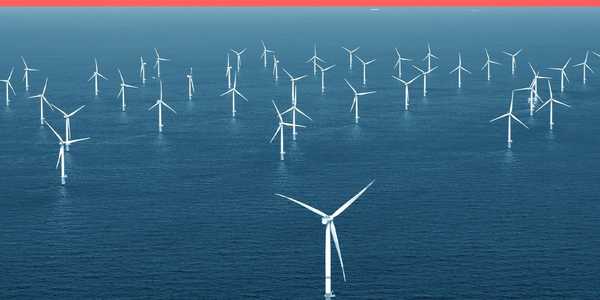
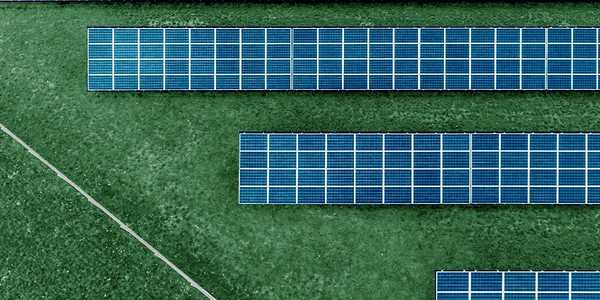
The Trump administration has spent the past two years executing this energy agenda. It repealed large swaths of the Inflation Reduction Act, ending incentives to build new solar and wind farms and terminating consumer-side subsidies for electric vehicles. It rolled back fines and rules restricting wasteful methane pollution. It has effectively eliminated fuel efficiency standards for cars and trucks. And it has declared an extralegal war on the wind industry.
And what has happened? Prices have gone up anyway. Gasoline and diesel are more expensive on an inflation-adjusted basis than they were on the day Trump took office. Now, you might argue that this surge is unrelated to the underlying policy, and that gasoline and diesel prices have surged because of the fallout from Trump’s war in Iran — not his domestic energy policy.
But the Iran crisis reveals the problem that Trump would have faced in any event: Oil prices are set on the global market, and neither the domestic oil industry nor the federal government possess the capacity to swing America’s production or consumption enough to affect those prices. Trump’s presidency, in other words, would always have been held hostage by the global energy markets — just as Biden’s was before him.
There is a deeper lesson here: The fossil fuel industry cannot guarantee low prices for consumers in the enduring way that Trump has promised — even if you give it all the regulatory relief that it demands. Nor can the oil, gasoline, and diesel markets deliver the deep energy security or economic stability that American policymakers want — or that voters desire. Trump’s war on Iran has continually been undermined by the American economy’s exposure to crude oil prices; the president is now compromising Ukraine’s defense in order to secure a dubiously small amount of crude. American politicians will remain stuck in this position until the country diversifies its energy system.