
GLOBALVARS
0
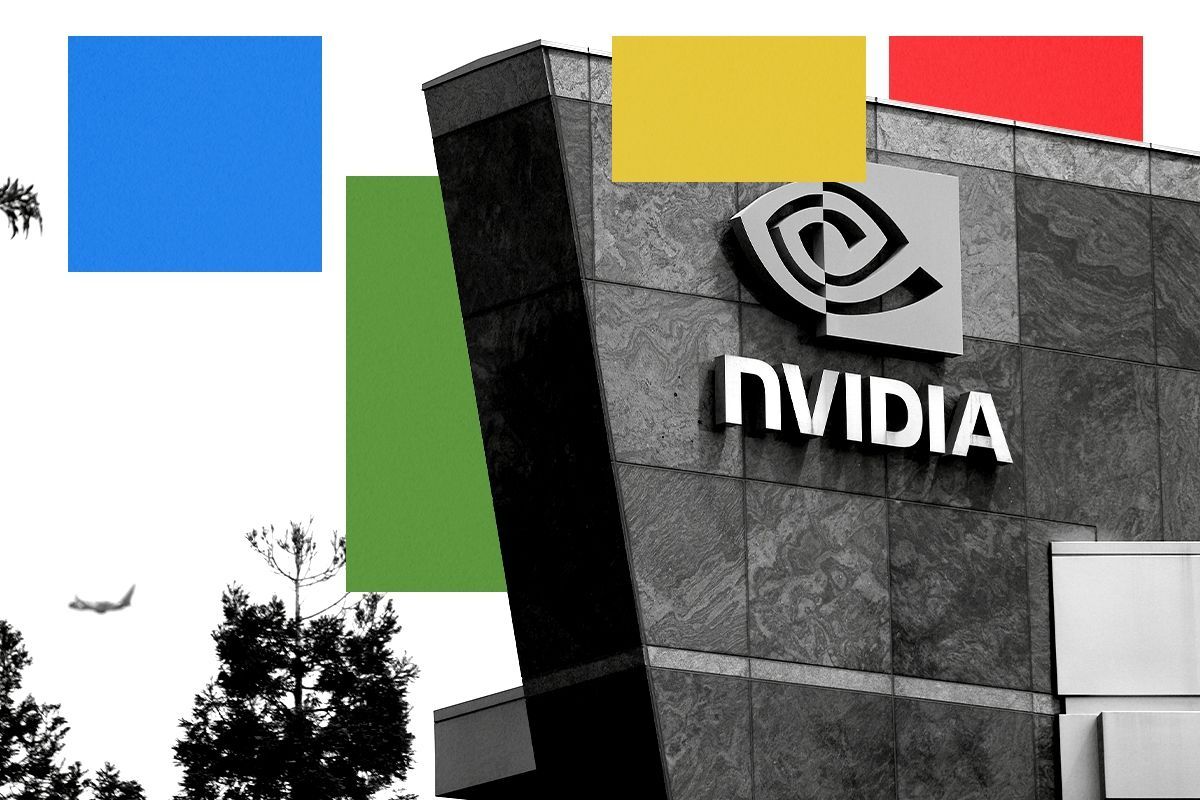
America’s tech companies are transforming the electricity system — building entirely new fleets of new solar panels, batteries, and gas turbines — in order to power what are essentially warehouses filled with cutting-edge chips.
Almost all of those chips are made by Nvidia. On this week’s episode of Shift Key, Rob is joined by Josh Parker, Nvidia’s head of sustainability. They discuss the climate and electricity impacts of artificial intelligence, why Josh is incredibly bullish on AI’s ability to cut carbon emissions and whether it has done so so far, and the company's work with clean energy and fossil fuel companies.
Shift Key is hosted by Robinson Meyer, the founding executive editor of Heatmap News.
Subscribe to “Shift Key” and find this episode on Apple Podcasts, Spotify, Amazon, or wherever you get your podcasts.
You can also add the show’s RSS feed to your podcast app to follow us directly.
Here is an excerpt from their conversation:
Robinson Meyer: So Heatmap has been tracking what, to us, has been a very sudden and shocking rise of local pushback against AI data centers. And of course, this has become a larger meme over the past few months, as it’s gotten more attention. For instance, we think about 50 AI data centers or data centers broadly were canceled last year after facing local pushback. And we think more than 50 have already been canceled this year.
Are you seeing that at all at Nvidia? I mean, it doesn’t look — your quarterly results came out yesterday and they were, they absolutely blew out expectations. And so evidently it’s not affecting demand yet. But do you hear it from customers? Is this affecting Nvidia’s business at all? And how do you think about it as a risk going forward?
Josh Parker: So I’m aware of the sentiment, the paranoia around AI, mostly on a personal level because I see it on social media like other people do, as well. I’m not aware of any direct impact on our sales, so I can’t comment on that. But what I will say is, I do think it’s particularly tragic, because this technology has the potential to be the most beneficial, both for environmental goals and for social goals — so things like education and health care, and kind of across-the-board social issues benefit from AI, as well. And the concerns about AI, a lot of them are based on either erroneous data or old data. And I worry that some people don’t fully understand the net impacts, the positive as well as the negative of AI.
Plus, we have the uphill battle of, it’s really hard if the data center is being built a few miles down the road, to tie that data center — which, they don’t always look beautiful and things like that — to the benefits that the whole world is going to get from AI. So if — obviously not promising this — but AI could unlock cancer cures or cures to other diseases, and we’re seeing trends in the direction of cures and treatments and drug discovery and so forth. But it’s really hard for us as humans to draw a line between the infrastructure that we see down the street, and especially the speculative, the moonshot benefits. But even the more fundamental ones, like the benefits and productivity that we’re seeing in potential for wage growth and education and so forth, even though it’s hard for us to draw the line between the infrastructure.
So it’s understandable, but I do think it’s tragic. And I think it’s our responsibility in the tech industry to help people see the bigger picture and to address people’s concerns head on about environmental impacts and social impacts. Because the data really does demonstrate that, by and large, these data centers are pro-sustainability. They don’t have the impacts that most people are concerned about, and they’re manageable. And most data center operators are trying to operate them in a sustainable way.
You can find a full transcript of the episode here.
Mentioned:
Previously on Shift Key: Data Centers Are Creating a New Kind of Battery Monster
Previously on Shift Key: A Skeptic’s Take on AI and Energy Growth
From Heatmap: Exclusive: Local Opposition to Data Centers Explodes in 2026
This episode of Shift Key is sponsored by ...
Heatmap Pro brings all of our research, reporting, and insights down to the local level. The software platform tracks all local opposition to clean energy and data centers, forecasts community sentiment, and guides data-driven engagement campaigns. Book a demo today to see the premier intelligence platform for project permitting and community engagement.
Music for Shift Key is by Adam Kromelow.