0
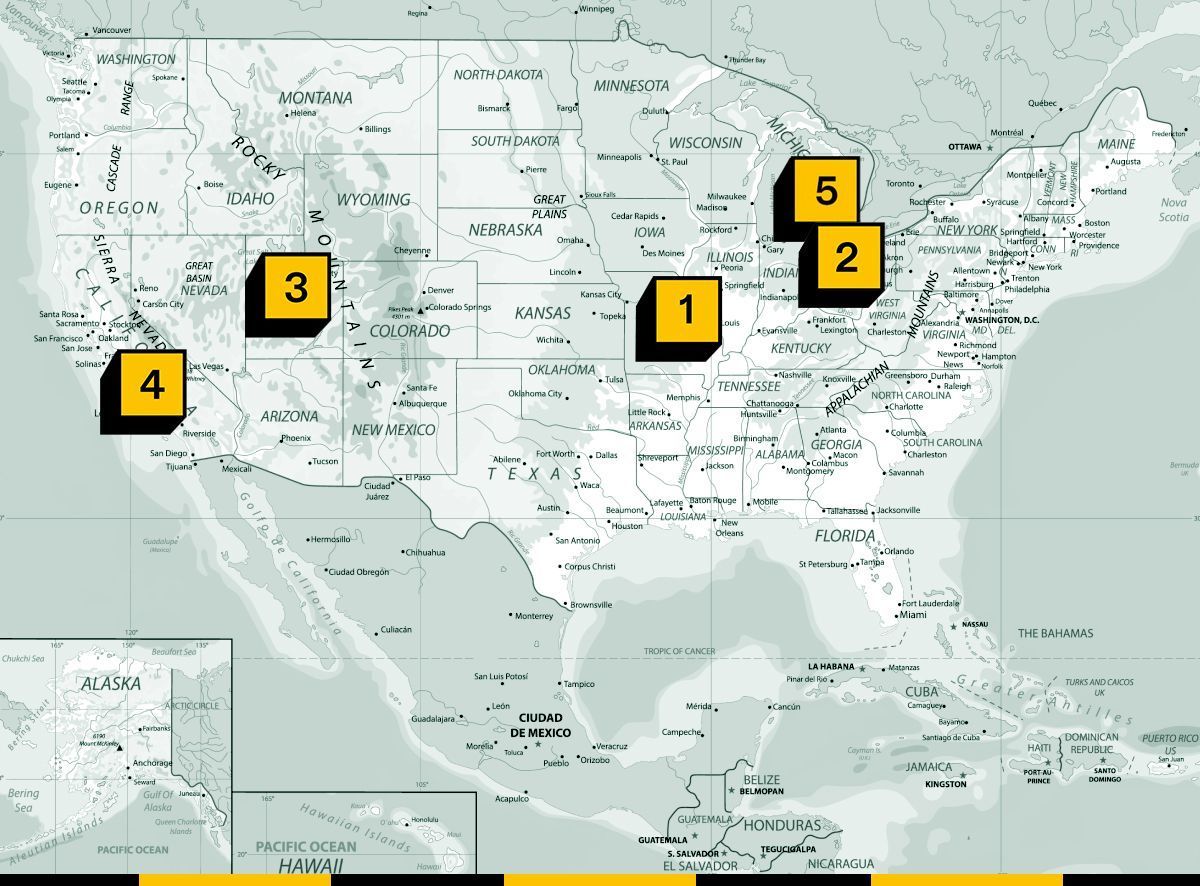
Cole County, Missouri – The Show Me State may be on the precipice of enacting the first state-wide solar moratorium.
- GOP legislation backed by Missouri Governor Mike Kehoe would institute a temporary ban on building any utility-scale solar projects in the state until at least the end of 2027, including those currently under construction. It threatens to derail development in a state ranked 12th in the nation for solar capacity growth.
- The bill is quite broad, appearing to affect all solar projects – as in, going beyond the commercial and utility-scale facility bans we’ve previously covered at the local level. Any project that is under construction on the date of enactment would have to stop until the moratorium is lifted.
- Under the legislation, the state would then issue rulemakings for specific environmental requirements on “construction, placement, and operation” of solar projects. If the environmental rules aren’t issued by the end of 2027, the ban will be extended indefinitely until such rules are in place.
- Why might Missouri be the first state to ban solar? Heatmap Pro data indicates a proclivity towards the sort of culture war energy politics that define regions of the country like Missouri that flipped from blue to ruby red in the Trump era. Very few solar projects are being actively opposed in the state but more than 12 counties have some form of restrictive ordinance or ban on renewables or battery storage.
Clark County, Ohio – This county has now voted to oppose Invenergy’s Sloopy Solar facility, passing a resolution of disapproval that usually has at least some influence over state regulator decision-making.
- Ordinarily, this project wouldn’t be able to move forward because of a county moratorium on solar development that is in place until fall 2027. However Invenergy was able to grandfather the project in because of an existing agreement with PJM Interconnection, sending the decision to the Ohio Power Siting Board which will have to parse through extremely staunch and well-documented opposition.
- At issue here is whether the OPSB will see the overwhelming rejection at the local level as evidence of the project being contrary to public necessity. A vote is not yet scheduled on that decision.
Millard County, Utah – Here we have a case of folks upset about solar projects specifically tied to large data centers.
- Millard County commissioners unanimously rezoned thousands of acres of state land for Creekstone Energy solar projects that would eventually power AI data centers. According to local media reports, negative public comments primarily focused on the fact public land would be dedicated to energy powering private companies, and a need to ensure the community receives adequate benefits for use of that land.
- The county assuaged those concerns by coupling its approval with a requirement that Creekstone Energy draft a “development agreement” that lays out responsible use of the public lands. My hunch is that this was sufficient for Millard County officials because it is a massive county with very little private land, and they’re used to navigating multiple-use issues and solar development.
Orange County, California – Compass Energy’s large battery project in San Juan Capistrano has finally died after a yearslong bout with local opposition.
- Compass had the chance to take a second bite at the apple after Orange County regulators rejected the proposal, thanks to the state’s permitting primacy law governing batteries. We’ve seen other examples of contested battery projects gliding smoothly thanks to that statute. But it appears Compass decided to take the route that didn’t require continued public relations frustrations and criticism from Democratic U.S. Representative Mike Levin, who represents the development area and is usually one of Congress’s most forceful proponents of renewable energy.
- The company rescinded its permitting request to the California Energy Commission in late December. The letter was first reported this week by the local publication Voice of OC.
- My conclusion from this saga is simple: battery storage projects sited near schools or residential homes will consistently find themselves in hot water.
Hillsdale County, Michigan – Here’s a new one: Two county commissioners here are stepping back from any decision on a solar project because they have signed agreements with the developer.
- The commission is deciding whether to approve a large Ranger Power solar facility that includes land deals with two members, Dale Baker and Steve McElroy. The solar project is being inundated with opposition from nearby landowners and farmers, and so it makes sense these two would recuse themselves from any final outcome that could appear biased.
- By stepping away, however, they’re apparently depriving the county commission a quorum, meaning it cannot decide on the project. Making matters even trickier, another commissioner represents the host town for the project, which supports its development for tax revenue reasons. Quite the comedic outcome of a failure in local governance!