GLOBALVARS
TEST TEST TEST
0
Products
Current conditions: Cold air is sweeping into the American Northeast after a brief blast of summer-like heat that drove temperatures in New York City up to 85 degrees Fahrenheit last week • Hurricane Nolo crossed the International Date Line, officially becoming Typhoon Nolo • The heat wave roasting Southern California is straining the grid, causing outages for more than 23,000 people in the Los Angeles area.
THE TOP FIVE
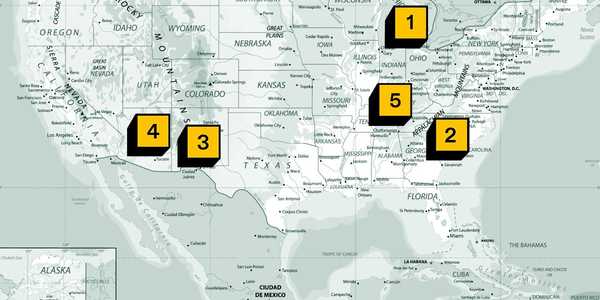
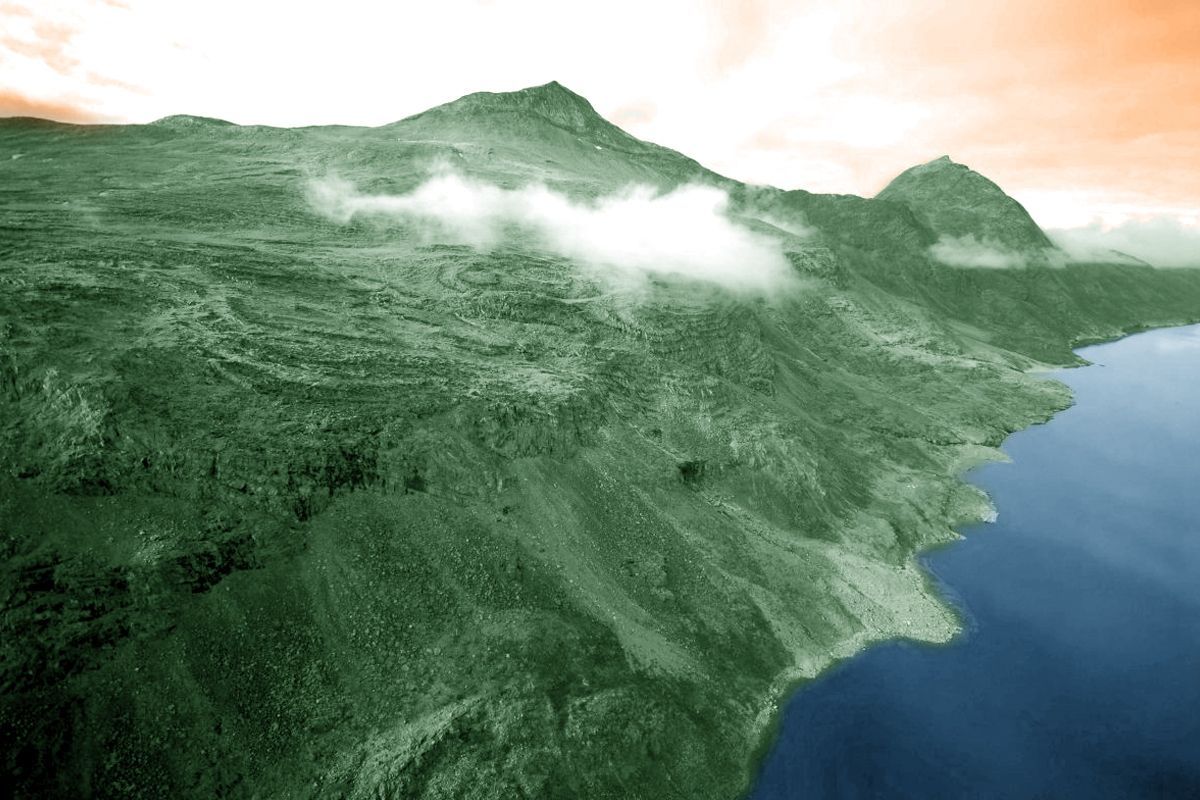
1. Greenland approves one of the biggest rare earth mines outside China
Greenland’s government on Monday approved the mining and decommissioning plans for Critical Metals’ Tanbreez rare earths project, which Mining.com described as one of the world’s “larger undeveloped heavy rare earth projects outside China.” The preliminary economic analysis for the mine pegged its total value at $2.1 billion, with an estimated initial capital cost of $290 million. “Approval of the Mining and Closure Plans is a defining milestone for Tanbreez and for Critical Metals Corp.,” Tony Sage, the chairman and chief executive of Critical Metals, said in a press release. “It gives us a clear framework through 2050 to responsibly develop one of the world’s largest heavy rare earth deposits, in partnership with the government of Greenland and the communities of South Greenland.”
If it goes forward, the project could be among the first major rare earths mines in Greenland, where the Trump administration has claimed the right to veto any major foreign investments as part of the deal signed with the Danish government last month, which gives Washington perpetual security oversight over the self-governing North American island. Critical Metals, notably, is headquartered in New York, though its largest shareholder is the Australian mineral investor European Lithium Limited. Yet opening a new mine in the U.S. might be getting even easier. As my colleague Matthew Zeitlin reported last week, miners — ahem — struck gold with the regulatory changes in the bipartisan permitting reform bill.
2. Energy Department will announce $150 million for Alaska power line
The Department of Energy is preparing to unveil $150 million in funding for a 223-mile transmission line in Alaska that would serve nearly three-quarters of the state’s population of just 735,000 people. The move, reported first by Reuters, comes as Vice President JD Vance prepares to visit the state to support Republican Senator Dan Sullivan’s bid for reelection in what’s expected to be a tight race with Democrat Mary Peltola. The total cost of the project is $400 million.
3. First Solar sues Chinese rival over patent infringement
First Solar built the largest photovoltaic manufacturing business in the U.S. by churning out thin-film panels that, while less efficient than the polysilicon-based technology popularized by China, perform better in low light and high temperatures, earning a solid market among utility-scale developers. But now Chinese manufacturer JA and its subsidiaries are allegedly muscling in on thin film — as is American Panel Solutions, a wholly owned U.S.-based subsidiary of the polysilicon giant Corning. First Solar now accuses the companies of illegally infringing its patent for manufacturing its solar cells, according to PV Tech. The Ohio-based giant has previously sued Jinko, Canadian Solar, T1 Energy, and Trina Solar. First Solar won a key preliminary victory in January.
Sign up to receive Heatmap AM in your inbox every morning:
Email Address *Our Privacy Policy & Terms Apply.
4. Starbucks scales back sustainability goals
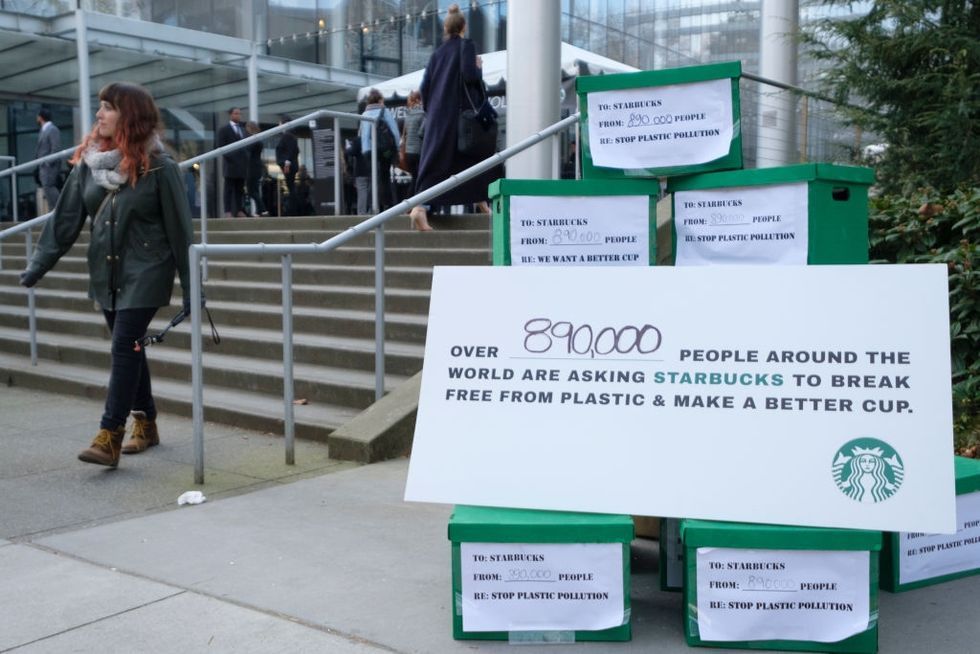
Starbucks has abandoned or watered down green targets and let go its sustainability staff as the coffee and food chain looks to cut $2 billion in costs. On Monday, the Financial Times reported that the company had revised or dropped pledges to halve water use and waste, and placed a target of slashing carbon emissions by 50% under review. While the pullback comes amid a broader retreat from environmental goals under the Trump administration, other coffee companies are still seeking to reduce pollution. Just yesterday, I told you that Keurig Dr. Pepper had come out with a version of its individual instant coffee pods that uses seaweed instead of plastic.
5. Type One Energy raises $200 million Series B
Type One Energy has raised a $200 million Series B as the startup races to develop the world’s first fusion power plant at the Tennessee Valley Authority’s Bull Run site in eastern Tennessee. The financing round was co-led by Breakthrough Energy Ventures and Clutterbuck Capital, with additional backing from Lowercarbon Capital, Siemens Energy Ventures, and SiteGround Capital. “The breadth and quality of investors in this funding round demonstrates growing support for our strategy to industrialize the commercial deployment of fusion energy,” Christofer Mowry, Type One Energy’s chief executive, said in a statement. “The Series B financing enables us to remain focused on advancing our stellarator technology and Project infinity design activities.”
The company has been working to establish its supply chain. In March, my colleague Katie Brigham broke news of a deal to start getting the material needed for its reactors.
THE KICKER
New York City is notorious for the ways in which trash piles up on our sidewalks and evaporates into foul smelling mist during the hot summer days. But did you know it’s also piling up in the places we send it? The latest draft of the city’s once-in-a-decade management plan for solid waste indicates that the landfills receiving much of the five boroughs’ trash are filling up. Per Inside Climate News, the state is projected to run out of landfill capacity for the city’s garbage within 16 to 25 years.