GLOBALVARS
TEST TEST TEST
0
Products

The national average retail price of electricity has fallen year over year from 20 cents per kilowatt-hour in September 2025 to 19.6 cents per kilowatt-hour in September of this year, or about 2%, according to the latest update to Heatmap and MIT’s Electricity Price Hub.
Great news, right?
Not really.
While this is the first year-over-year decline in average prices since September 2023, it’s mostly due to California moving around its Climate Credit to the late summer months of August and September, historically among the highest-demand periods on the grid. The state previously delivered the credits in April and October.
But while this is a nice thing for California ratepayers, it does less to tell us about nationwide electricity price trends. Excluding the credit, average prices would have been roughly flat, according to the MIT researchers. And even with the credit, bills are still rising year over year, at around $180 per month, up from $173 a year ago (though down from this year’s all-time high of $217 in July). Forty-five states and Washington, D.C., have seen their average bills go up over the last year.
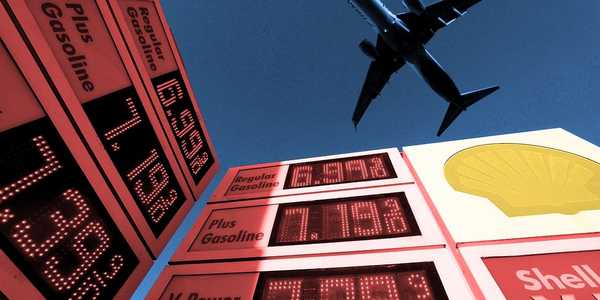
The Bureau of Labor Statistics’ recently released inflation figures showed electricity prices rising 0.2% in September from August and 4.4% over the last year, while overall prices rose 0.6% and 3.7%, trends largely driven by increases in the price of gasoline.
As we’ve written about several times before, some of the biggest electricity price increases are in the Northeast and mid-Atlantic. In New York, prices in September were 31.5 cents per kilowatt-hour, up from 30 cents in August and 27 cents in September of last year.
In Maine, which sits at the end of the sparse New England natural gas network, prices have been rising sharply. In September, prices were just under 40 cents per kilowatt-hour, compared to 37 cents in August and 31 cents a year ago. Maine’s public advocate has blamed years of price hikes on natural gas prices, distribution costs — especially repairing infrastructure damaged by storms —and, to a lesser extent, subsidies for renewables.
Maine is just one of several midterm battlegrounds where energy costs have taken center stage, especially since the war in Iran spiked oil prices.
In Ohio, where Sherrod Brown is seeking to return to the Senate by defeating Jon Husted, electricity prices stand at just over 20 cents per kilowatt hour, compared to 18 cents last September, while bills have risen from about $129 a month to $162. Brown leads Husted in the polls by about 4 percentage points, according to Nate Silver’s polling average. Ohio started early voting earlier this month.