
GLOBALVARS
0
Current conditions: The Atlantic set a record on Saturday for the longest stretch of the hurricane season since the advent of satellites without a major named storm • Argentina is bracing for severe Zonda winds, a type of intense downslope gust unique to the eastern side of the Andes Mountains • While the wildfires darkening skies over Indonesia have receded, blazes are still raging across the southern shores of Sumatra, Borneo, and West Papua.
THE TOP FIVE
1. EPA plans to repeal climate rules on power plants
The United States is preparing to eliminate any cap on the amount of planet-warming pollution from burning coal or gas that power plants can spew into the atmosphere. On Sunday night, The New York Times reported that the Environmental Protection Agency planned to announce a final repeal of climate rules on the power sector at this week’s summit in Houston of energy ministers from the Group of 20 nations. The EPA already moved to remove the entire legal basis for regulating greenhouse gases at any level by gutting its endangerment finding, which my colleagues Robinson Meyer and Emily Pontecorvo explained last winter. In March, as I told you at the time, almost half of all U.S. states sued to block the administration from rescinding the finding. The EPA went on to scrap standards on climate-heating emissions for car tailpipes and loosened rules on heat-trapping chemicals used in refrigerators and air conditioners. Under the new proposal, which the Times noted would come out Monday, power plants would still face limits on mercury, arsenic, and other contaminants, “though the EPA has already loosened restrictions on how much mercury they can emit.”
2. Federal court rejects Trump’s emergency order to keep Michigan coal plant open
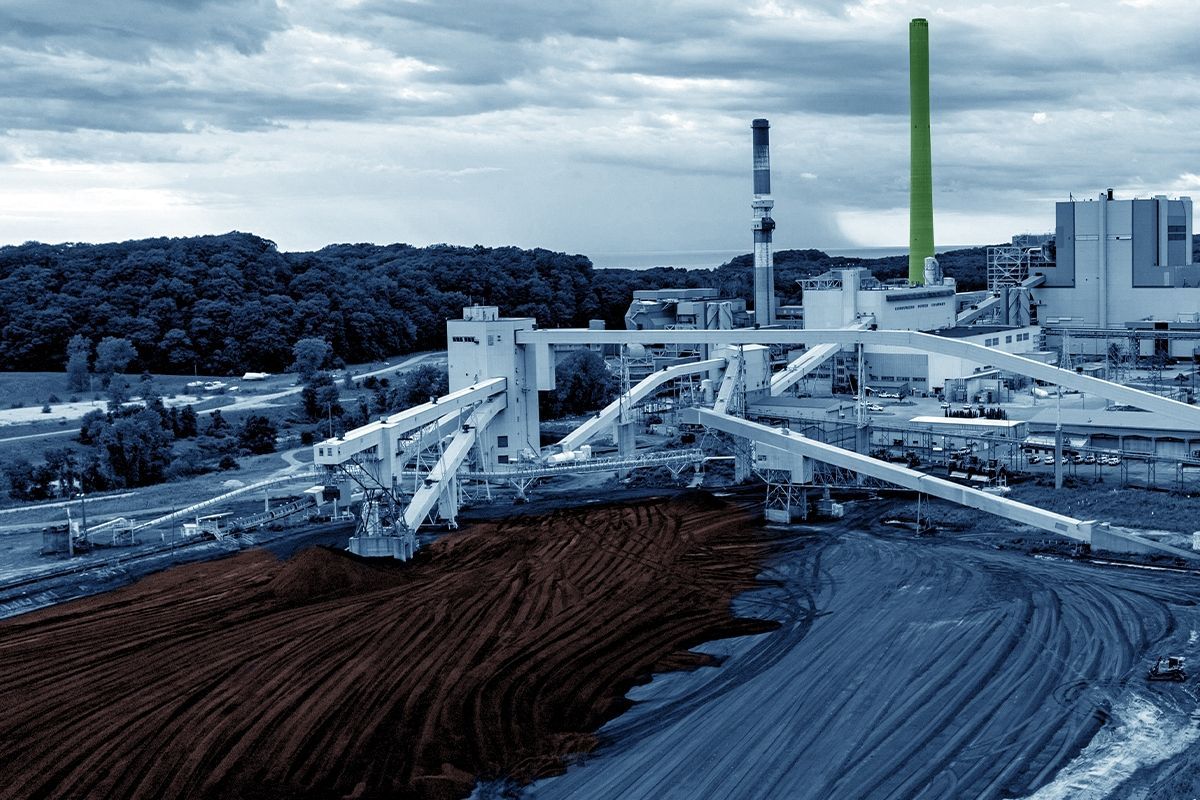
Nearly a year ago, I told you about the legal challenges already mounting for President Donald Trump’s order to keep a Michigan coal-fired station open past its planned retirement date on the grounds that the broader grid system is under an “emergency” level of stress. Maintaining the J.H. Campbell coal station for just three months past its previously-agreed closure cost the utility Consumers Energy nearly $30 million. And all that was to fulfill an illegal order, a federal court just decided. On Friday, the D.C. Circuit Court of Appeals ruled against the Trump administration’s use of emergency powers to force the plant to stay open. The court found that the Department of Energy illegally invoked Section 202(c), the emergency authority of the Federal Power Act, to override the long-term planning process through which Consumers, Michigan, and the Energy Department had agreed to terminate power production at the 1.4-gigawatt plant. The agency has since used the same statute to order coal plants in Colorado, Florida, Indiana, and Washington to remain open. “The DOE needs to stay in its lane and use its emergency powers only in actual emergencies,” Michael Lenoff, Earthjustice attorney, said in a statement. “Preventing the market-driven retirements of coal plants to advance a coal-friendly agenda is not a proper use of emergency powers.” In July, Washington State announced a deal with utility TransAlta to convert the state’s only remaining coal plant to run on natural gas. But that same day, the Energy Department renewed its directive to keep TransAlta’s Centralia coal plant running for at least another three months. “America needs more reliable power, not less, and today’s order will help ensure reliable electricity generation remains available to help address periods of peak demand,” Secretary of Energy Chris Wright said in a statement at the same time. “The Trump administration remains committed to reversing the misguided energy subtraction policies it inherited from past leaders.”
The White House, meanwhile, is considering using the Defense Production Act to expand U.S. oil refining capacity. The proposal, reported by Reuters, came up during a meeting between Trump and a dozen U.S. refiners, who told the president that federal money “would be better directed toward making refineries more efficient or expanding existing plants rather than financing an entirely new refinery,” which would cost more and take years to complete.
3. The U.S. sees a ‘safe-harbor surge’ of nearly 12 gigawatts of solar
A surge of utility-scale solar projects racing to completion before the federal tax credits expires in July added 11.4 gigawatts of capacity to the U.S. in the second quarter of this year, representing a 45% increase. That’s according to a PV Tech analysis of the latest Solar Energy Industries Association report I told you about on Thursday. Rooftop solar was a mixed bag in the second three-month stretch of 2026. Residential solar installations fell 12% year over year and community solar declined 14%, but corporate and industrial projects grew by 11%. Utility-scale projects, on the other hand, soared by 61% year over year. “The concentration on utility-scale developments was a direct response to the Trump administration’s phaseout of tax credits for renewable energy deployments from July 4, 2026 and the ‘safe harbor’ period that requires projects are placed in service,” PV Tech wrote.
Sign up to receive Heatmap AM in your inbox every morning:
Email Address *Our Privacy Policy & Terms Apply.
4. Canada eyes becoming an ‘associate member’ of the EU
Canadian Prime Minister Mark Carney instructed his special envoy to Europe to “scope out the most ambitious possibilities short of full membership” in the European Union or its common market, The Wall Street Journal reported Sunday. The details, the newspaper noted, “are still being sketched by technical working groups for what the prime minister has told his aides will be the reorienting of an economy and a society that for half a century has been dominated by the U.S.” If successful, the pivot to Brussels would reshape the energy and resource profile of both continents, pairing Europe’s wealth and vast population with Canada’s vast supply of oil, gas, and minerals. “In a more dangerous and divided world, Canada and our European partners are moving ever closer,” Carney said in a statement over the weekend. “Our shared values, complementary strengths, and common interests serve as the strong foundation on which we can build a stronger future. Together, Canada and our European partners have the ambition and strength to create a more just, stable, and universally prosperous world.”
5. Australia looks to expand its control over global uranium supplies
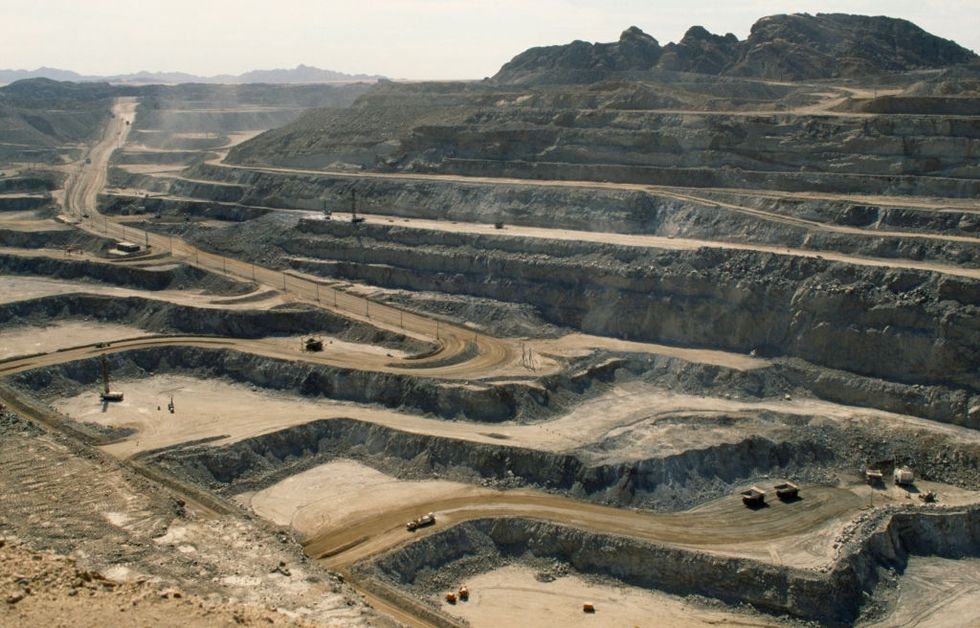
Canada boasts the world’s second-biggest output of uranium, a potential boon to Europe’s nuclear sector. But with Kazakhstan, the world’s top supplier, cautioning that more of its supply could end up going to China and other new buyers, Australia — the world’s No. 4 supplier — is looking for a bigger stake in the world’s third-place producer, Namibia. A pair of Australian companies are pushing ahead with plans to build new projects in the southwest African nation, Bloomberg reported last week. Bannerman Energy and Deep Yellow are both based in the Western Australian mining hub of Perth. Bannerman is considering a joint venture with China National Nuclear Corporation in which Beijing’s state-owned reactor operator would buy a 45% stake in a mine and agree to buy 60% of its output once the project is commissioned in 2028. Deep Yellow’s nearby Tumas project is, per the newswire, “a little less advanced but targeting a final investment decision toward the end of the year.”
THE KICKER
China’s wind turbine champion, Goldwind, is getting into another green sector. The world’s largest turbine manufacturer shipped its first batch of green methanol from a 160-megawatt project in Inner Mongolia to South Korea, where it’s expected to be shipped to a buyer in the EU, Hydrogen Insight reported. It’s yet another sign of how China is stepping up to meet the EU’s carbon tariff.